

バレリーナからの手紙
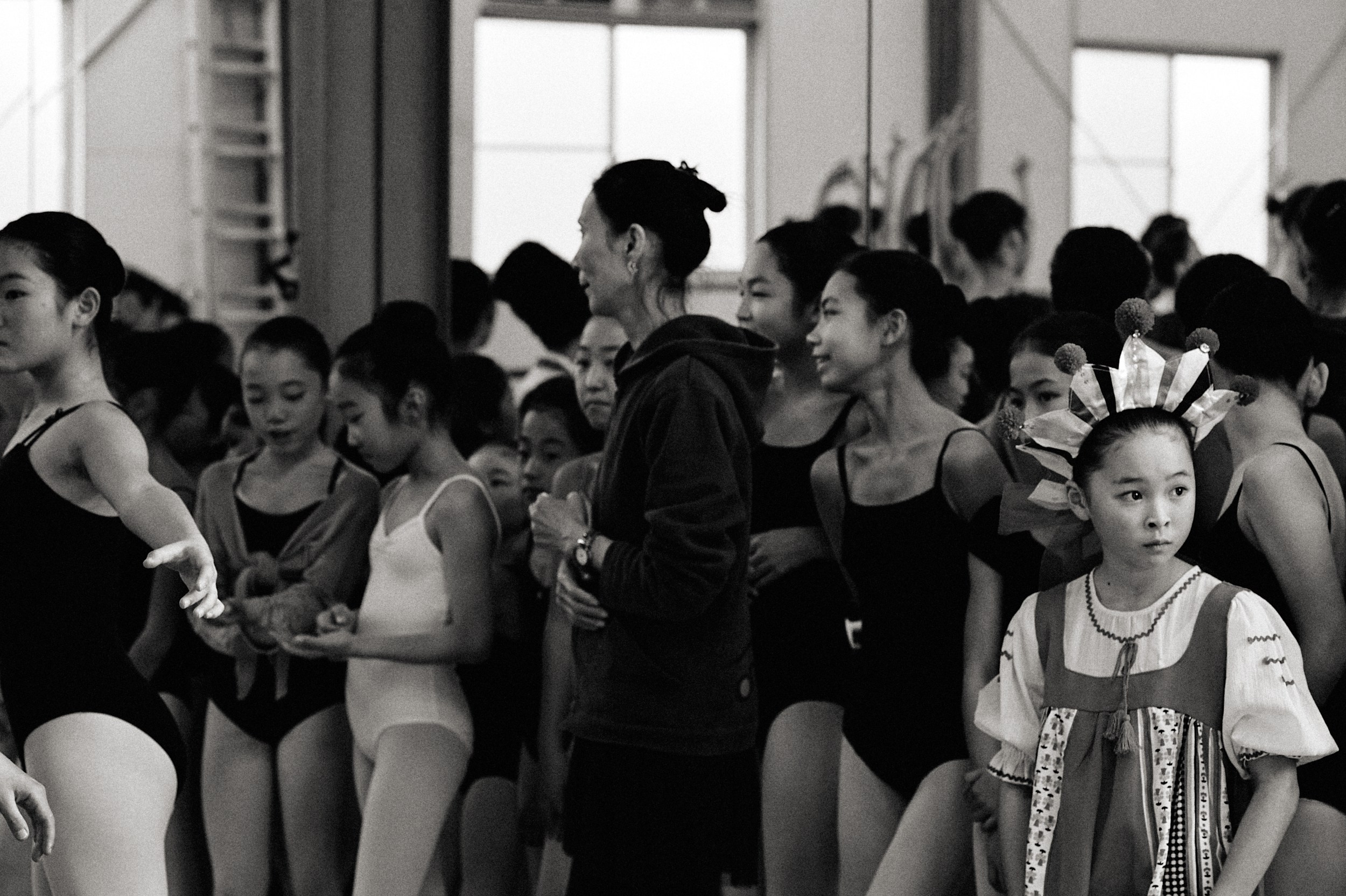
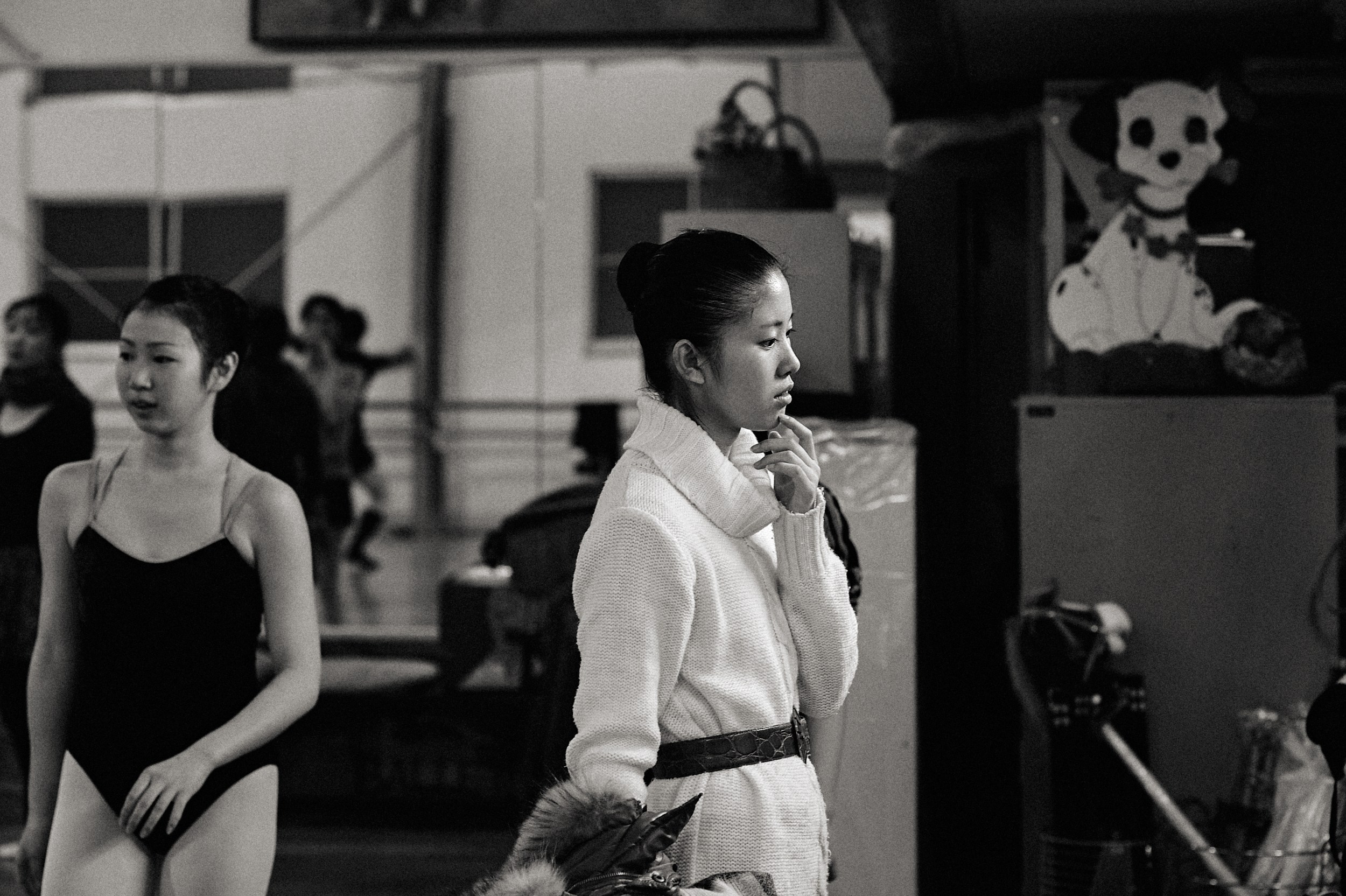
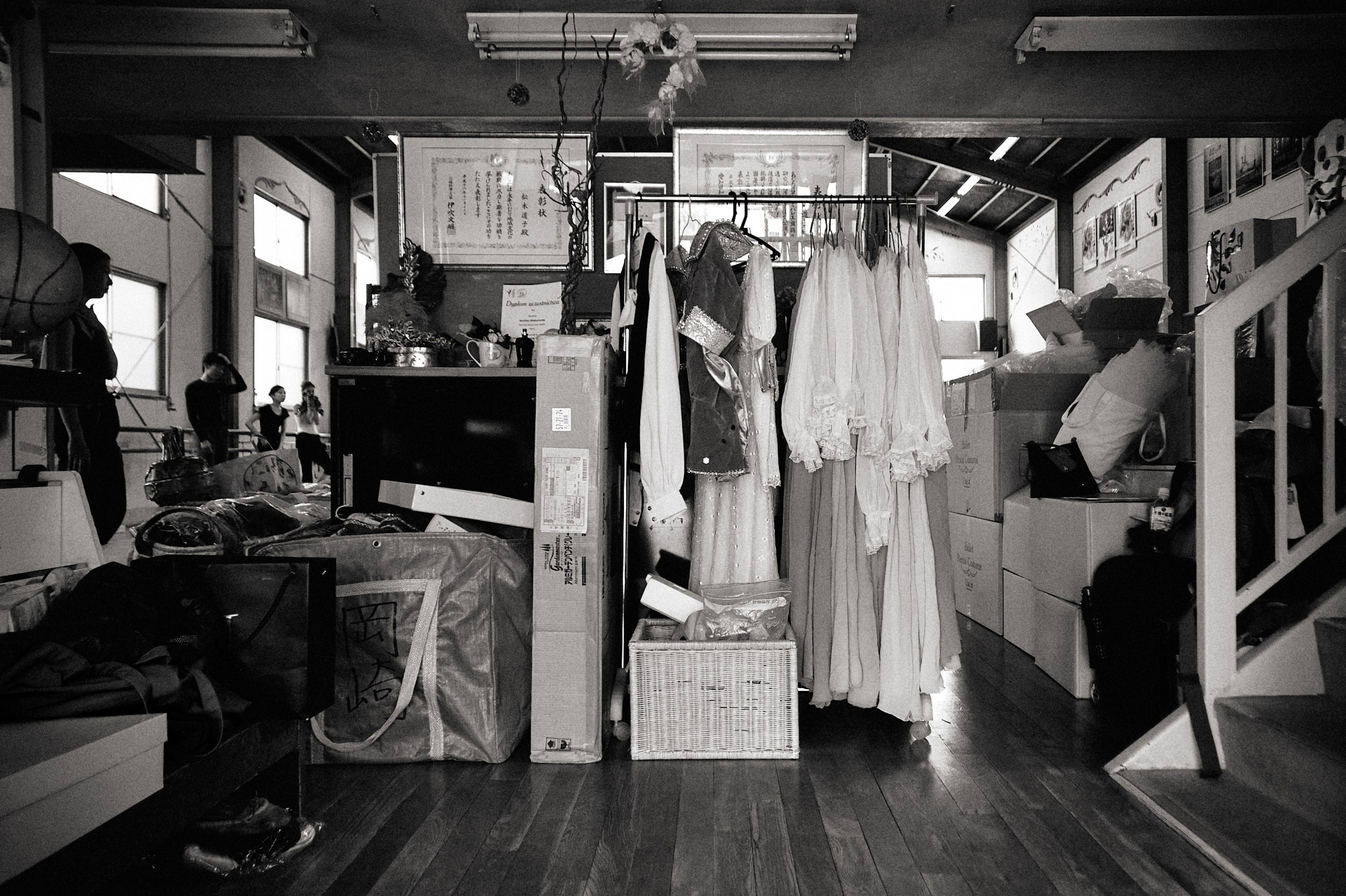
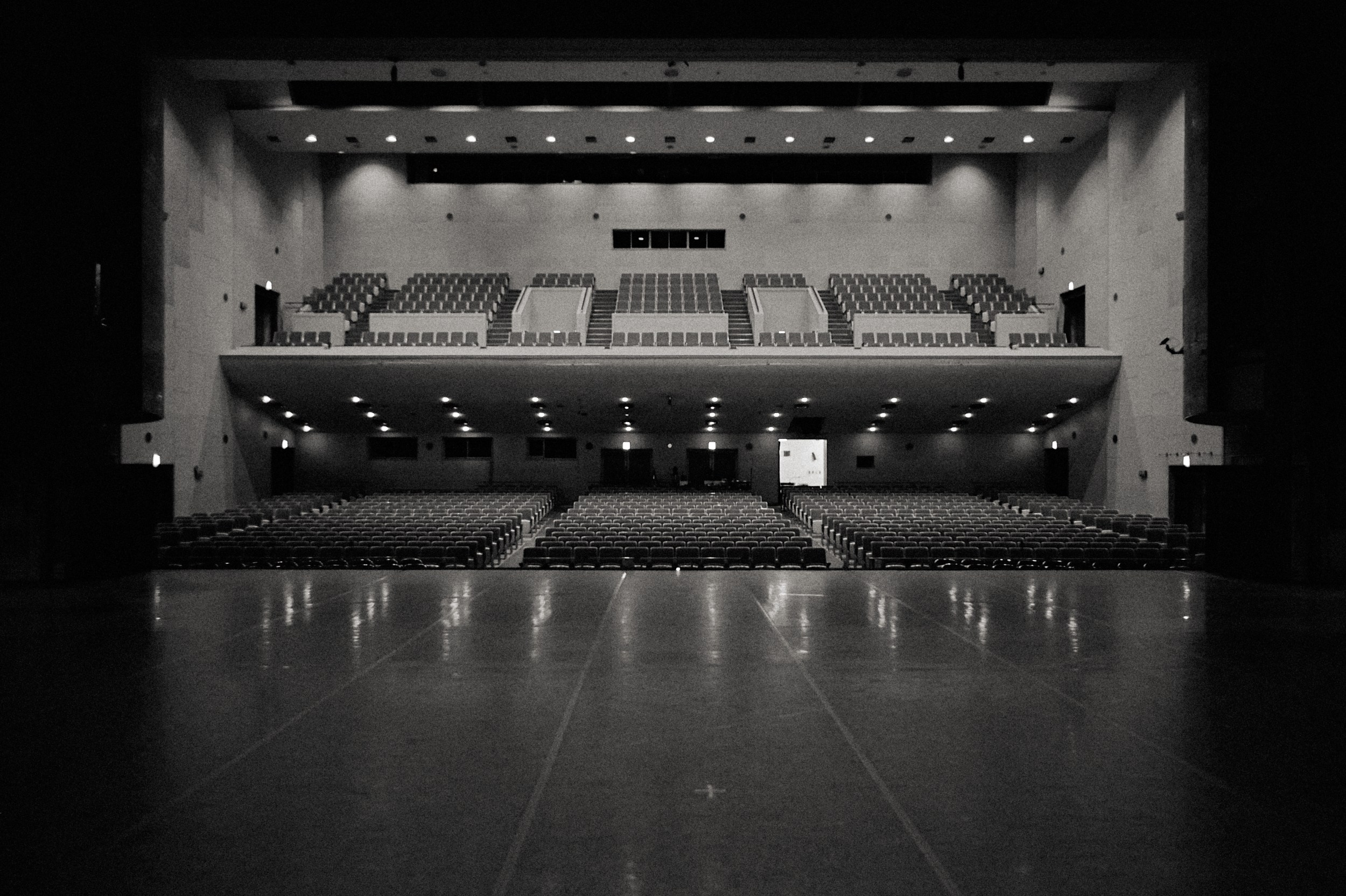
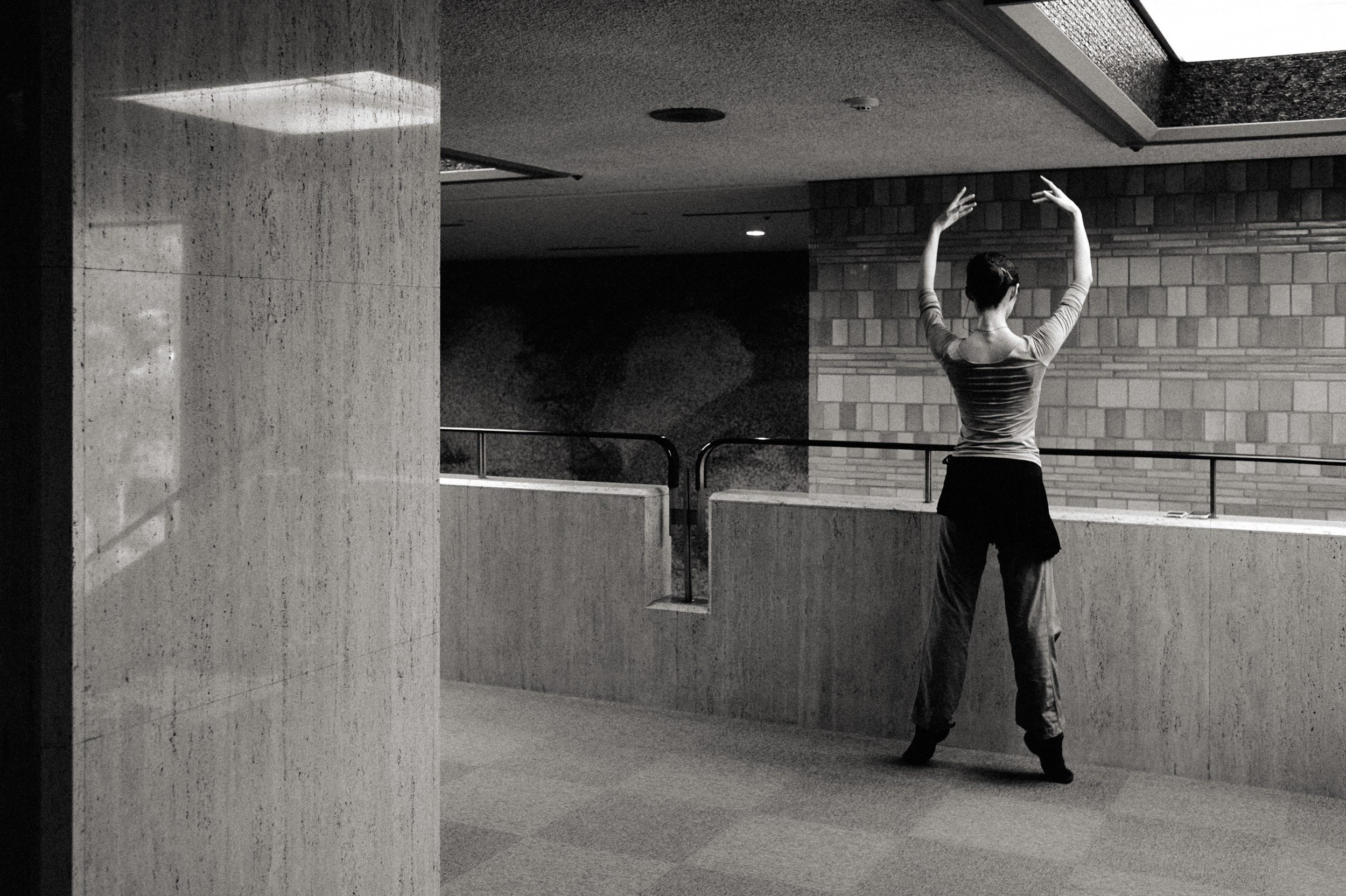
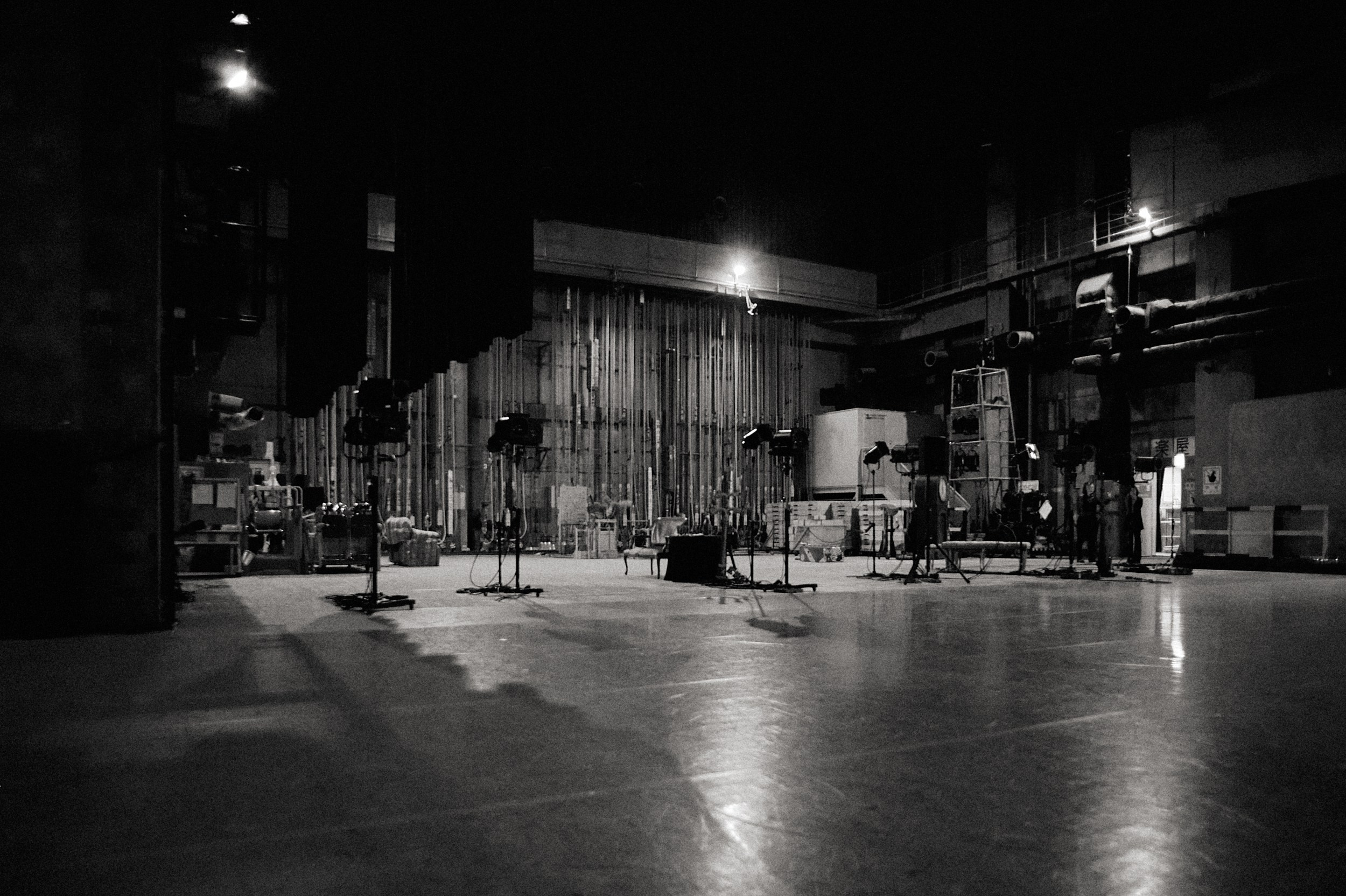
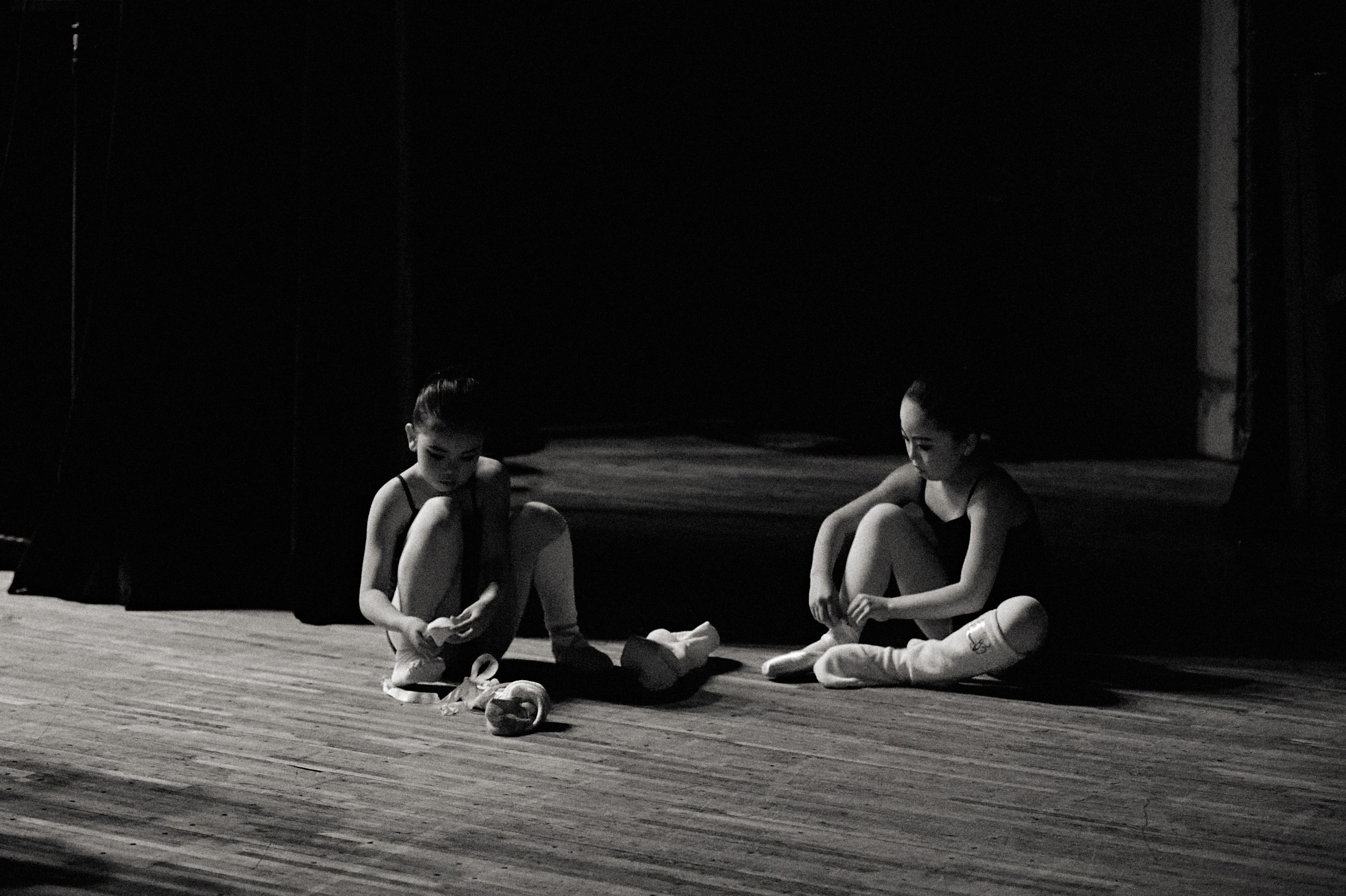
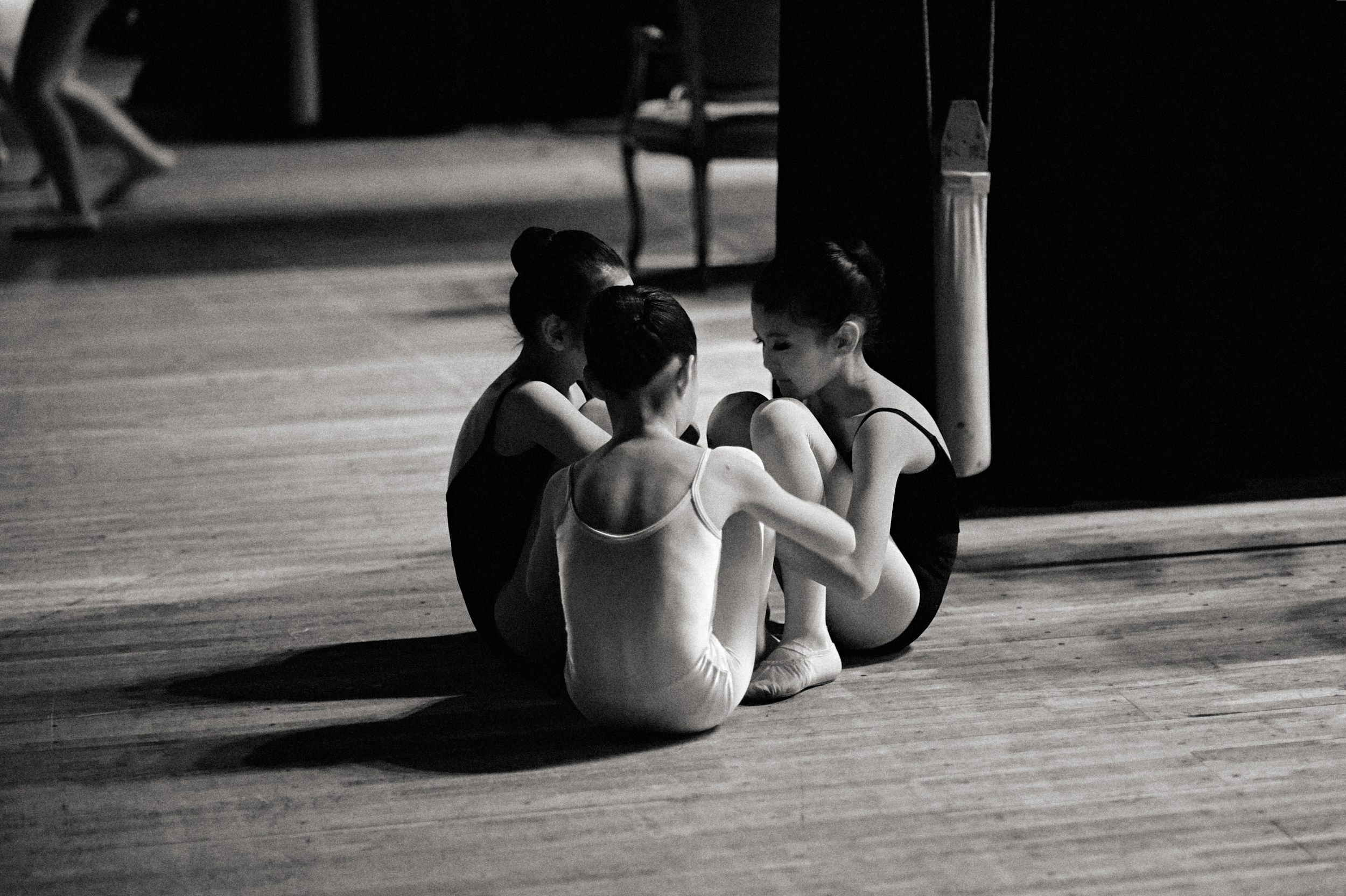
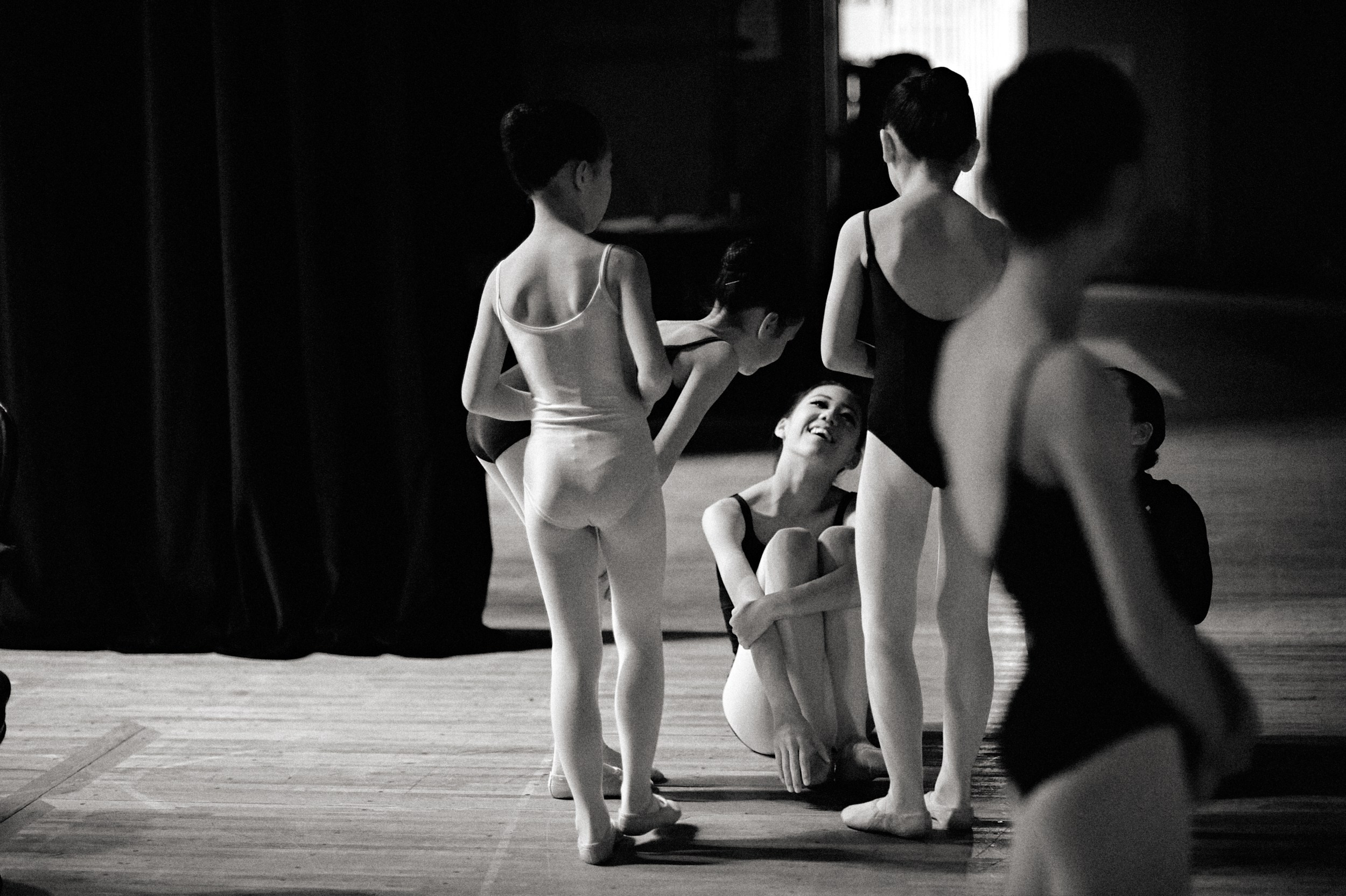
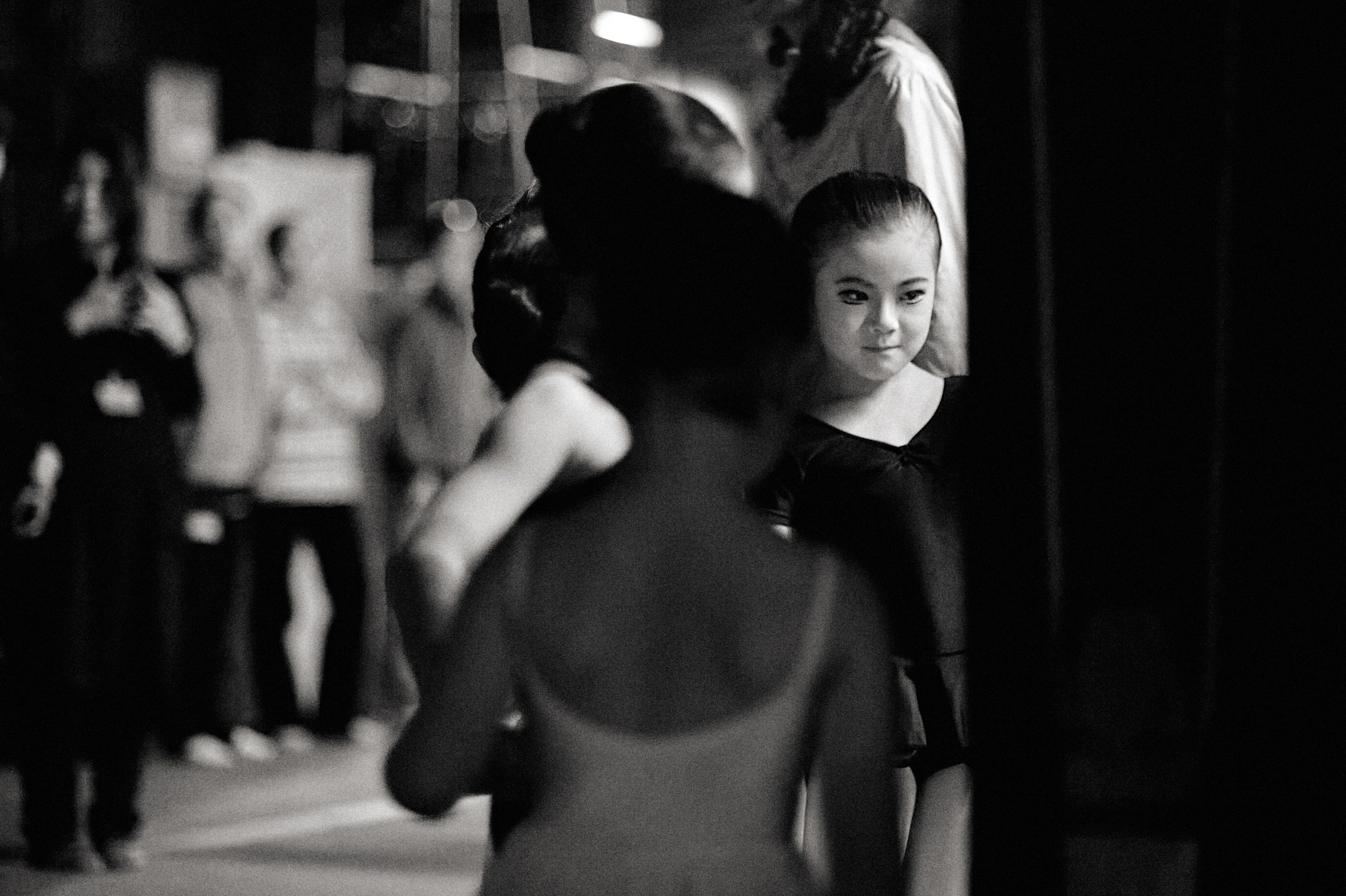
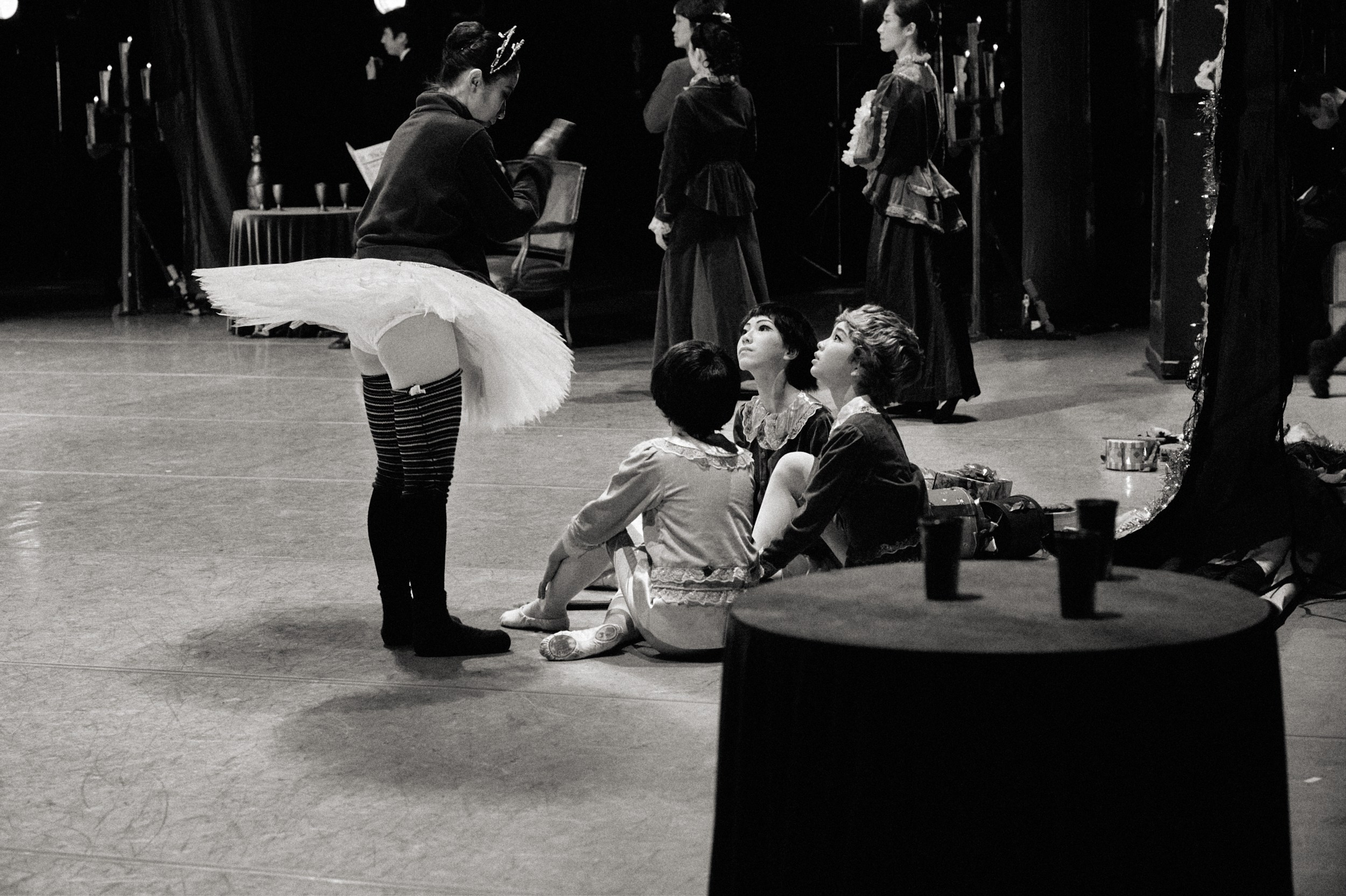
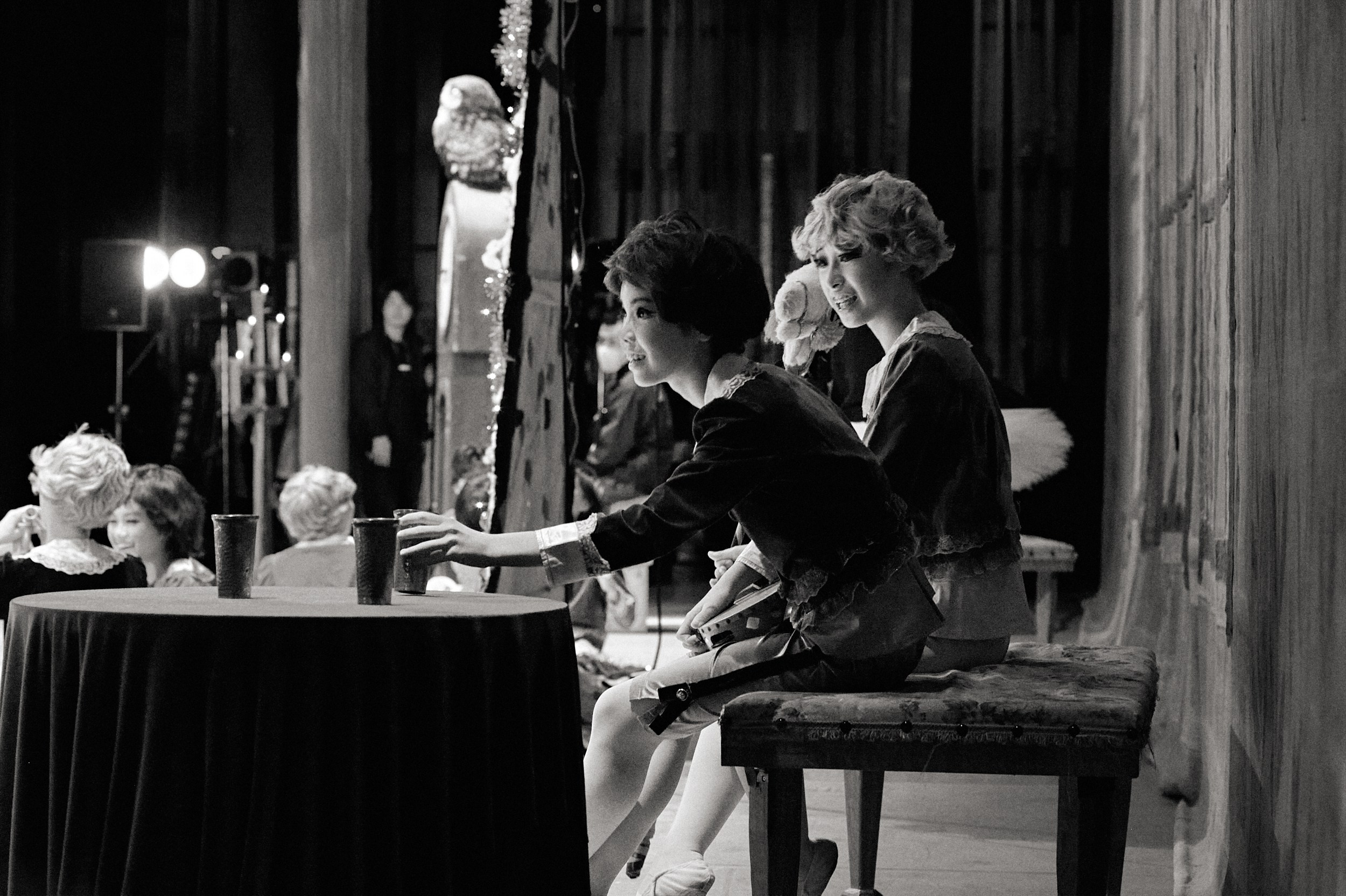
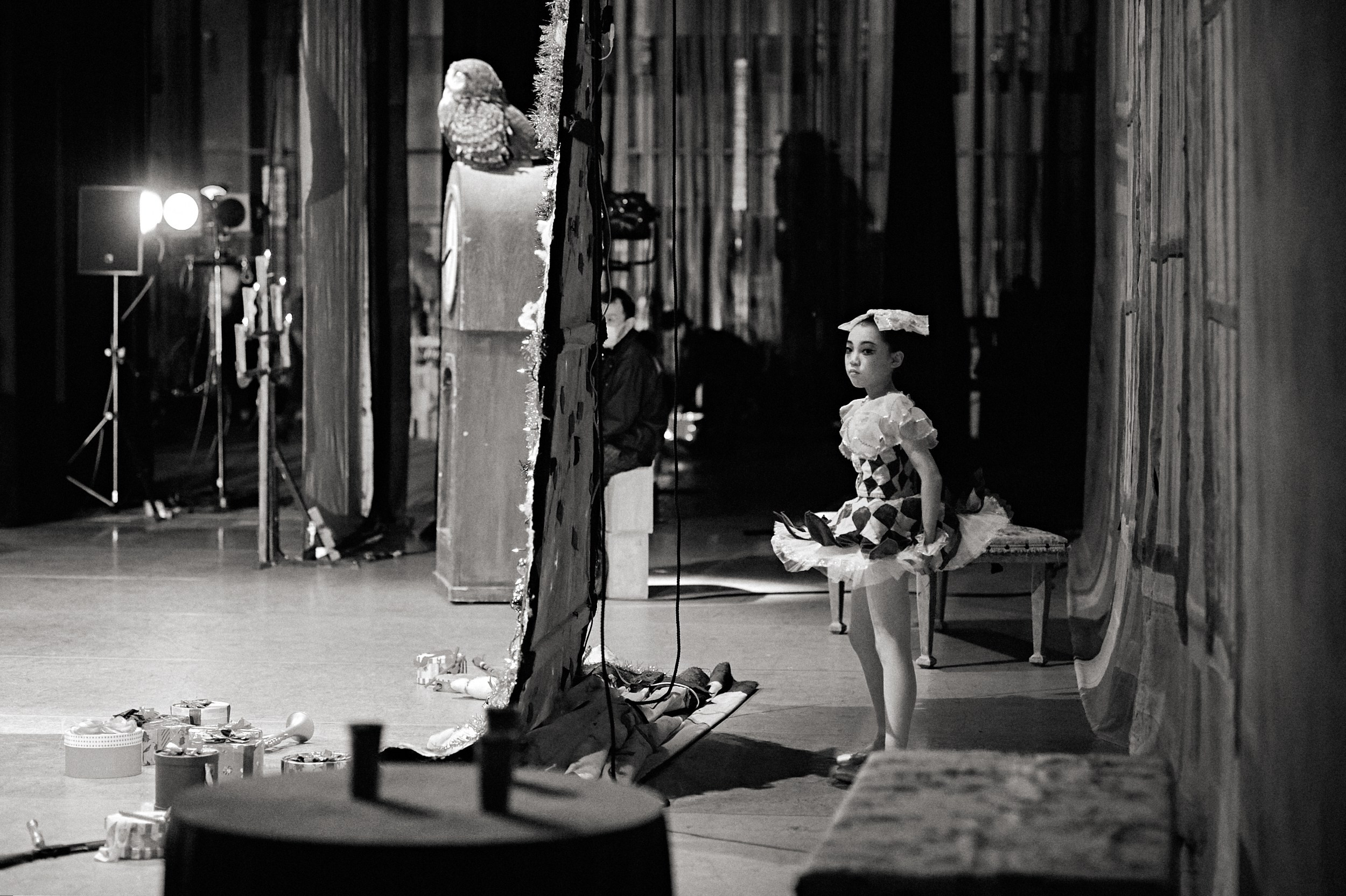
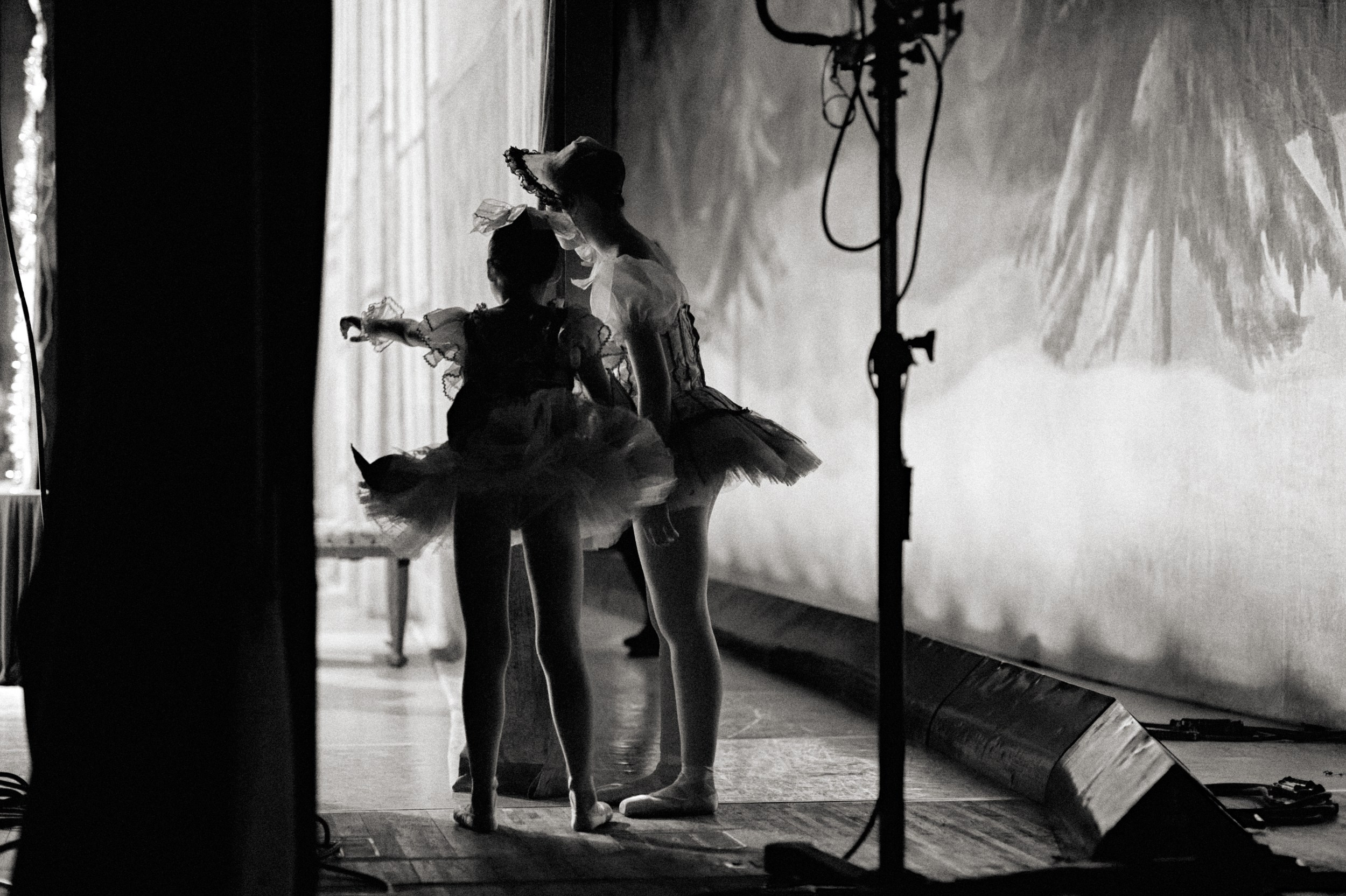
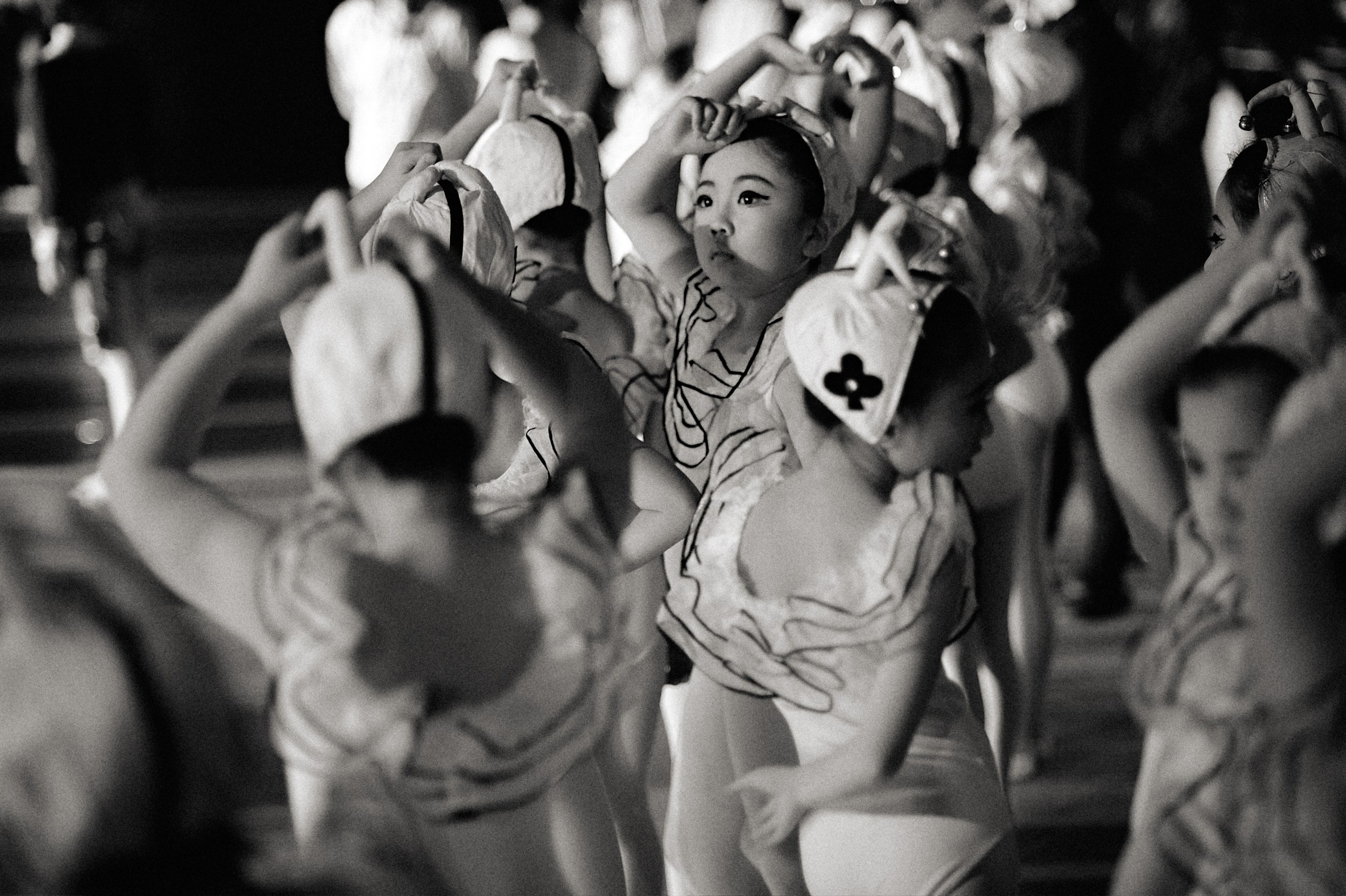
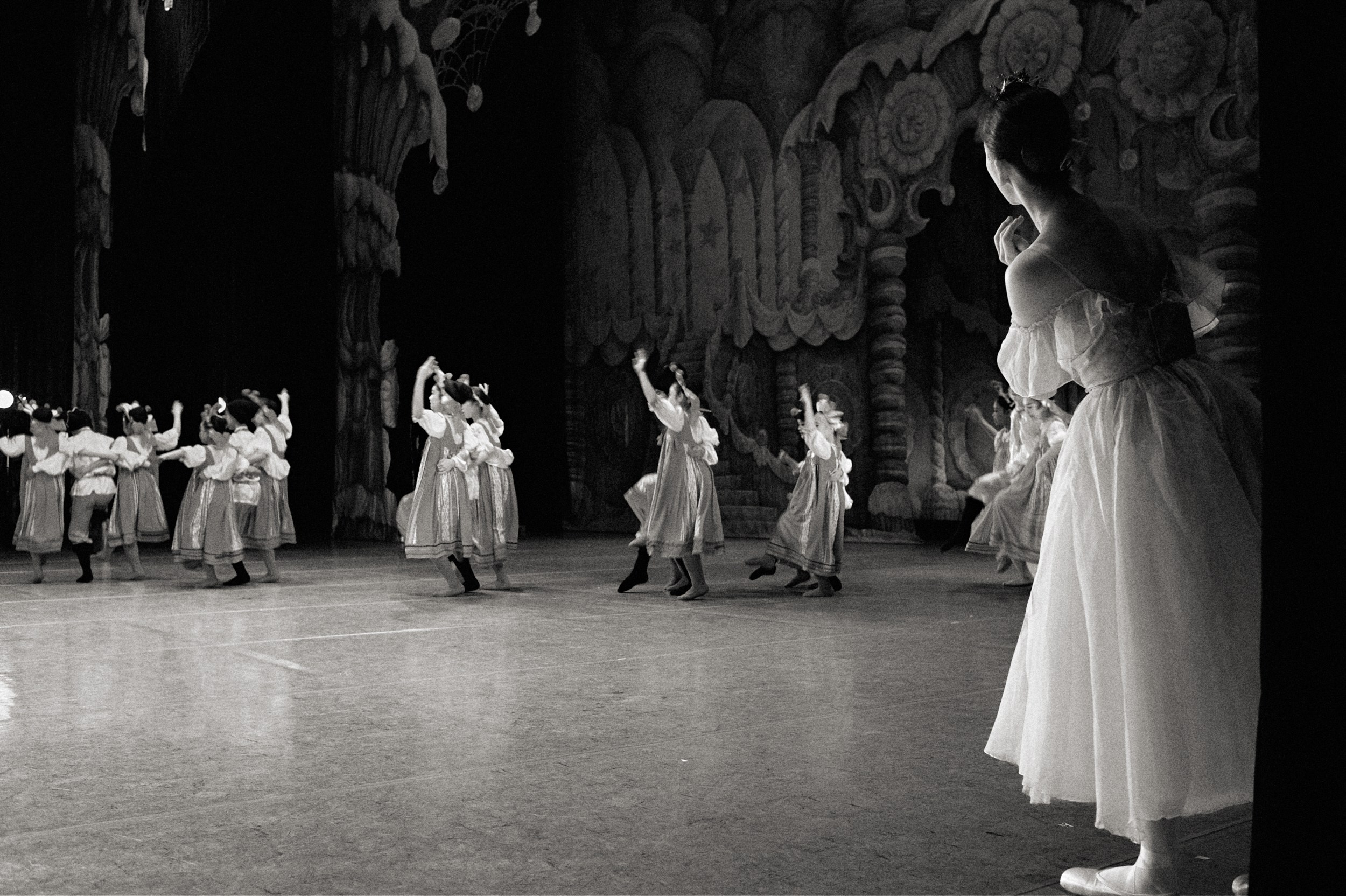
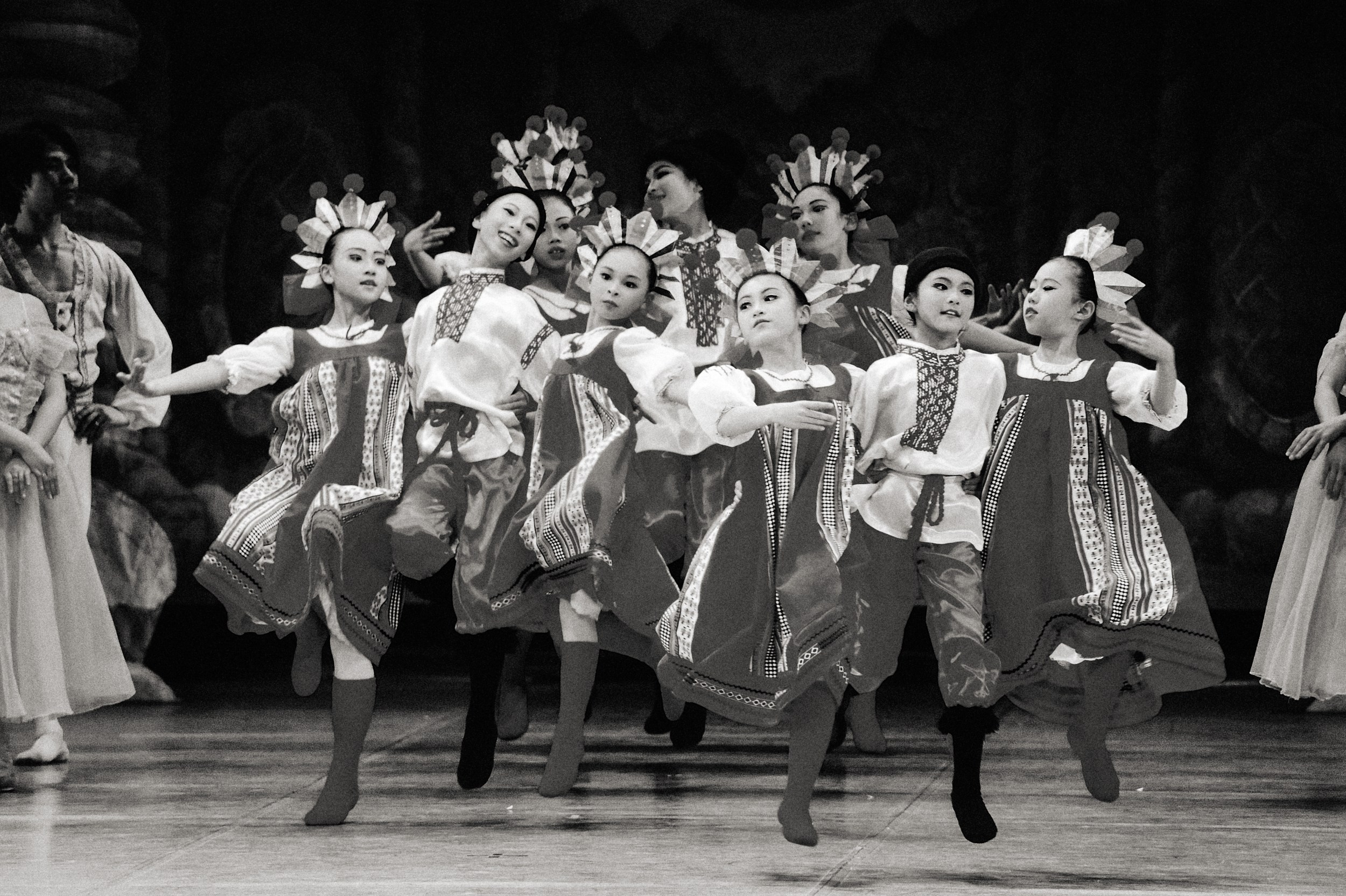
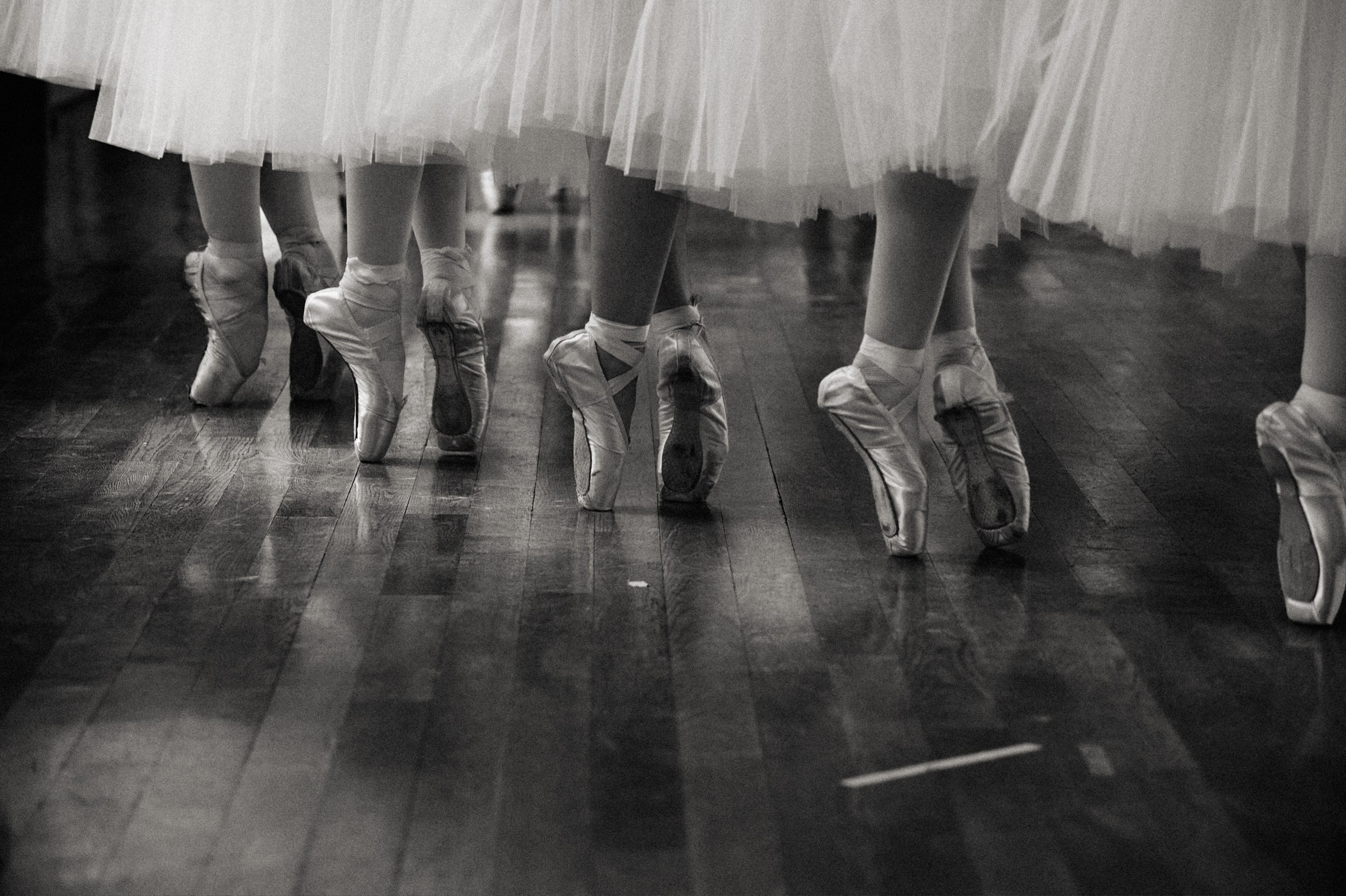
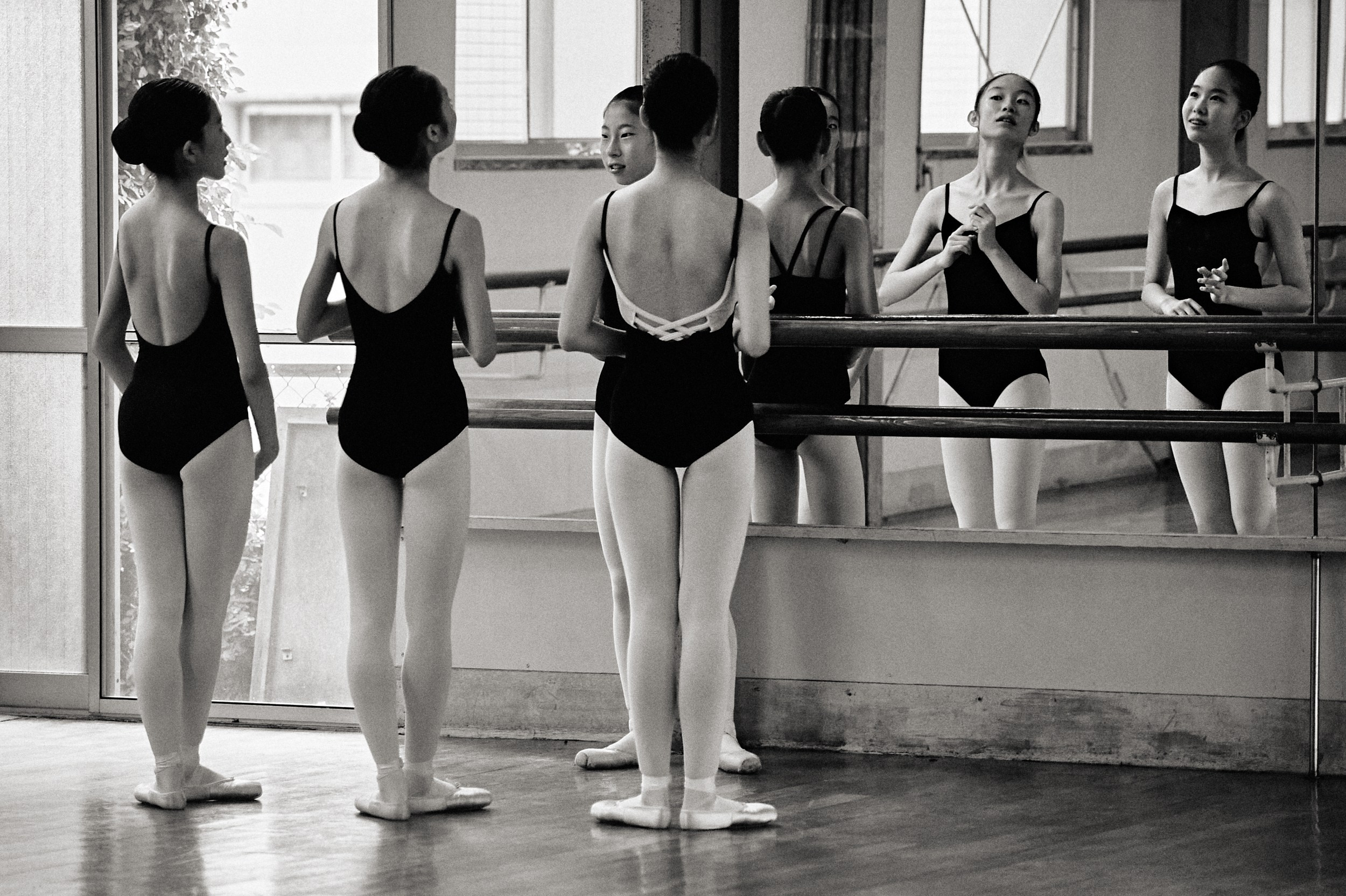
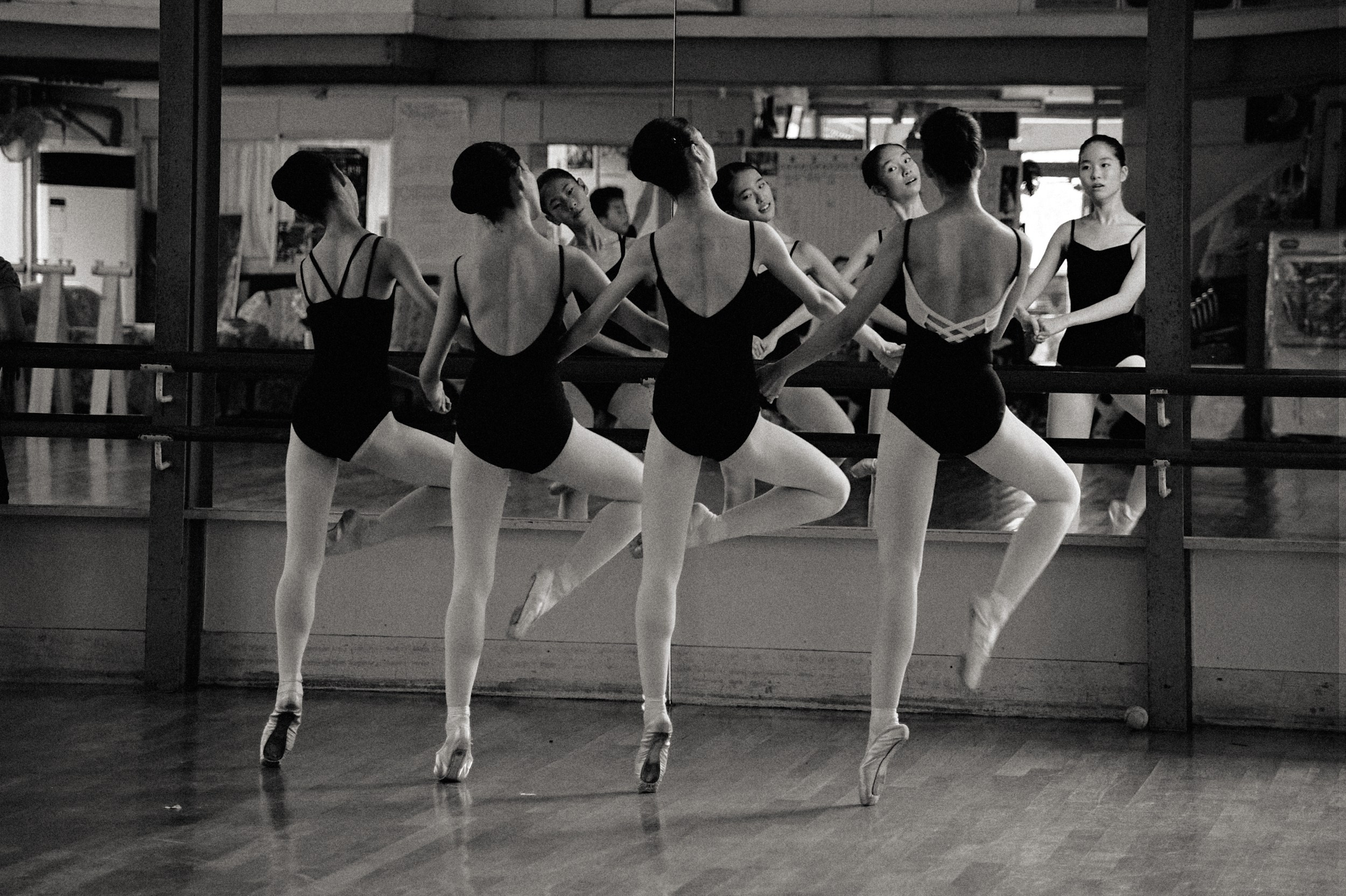
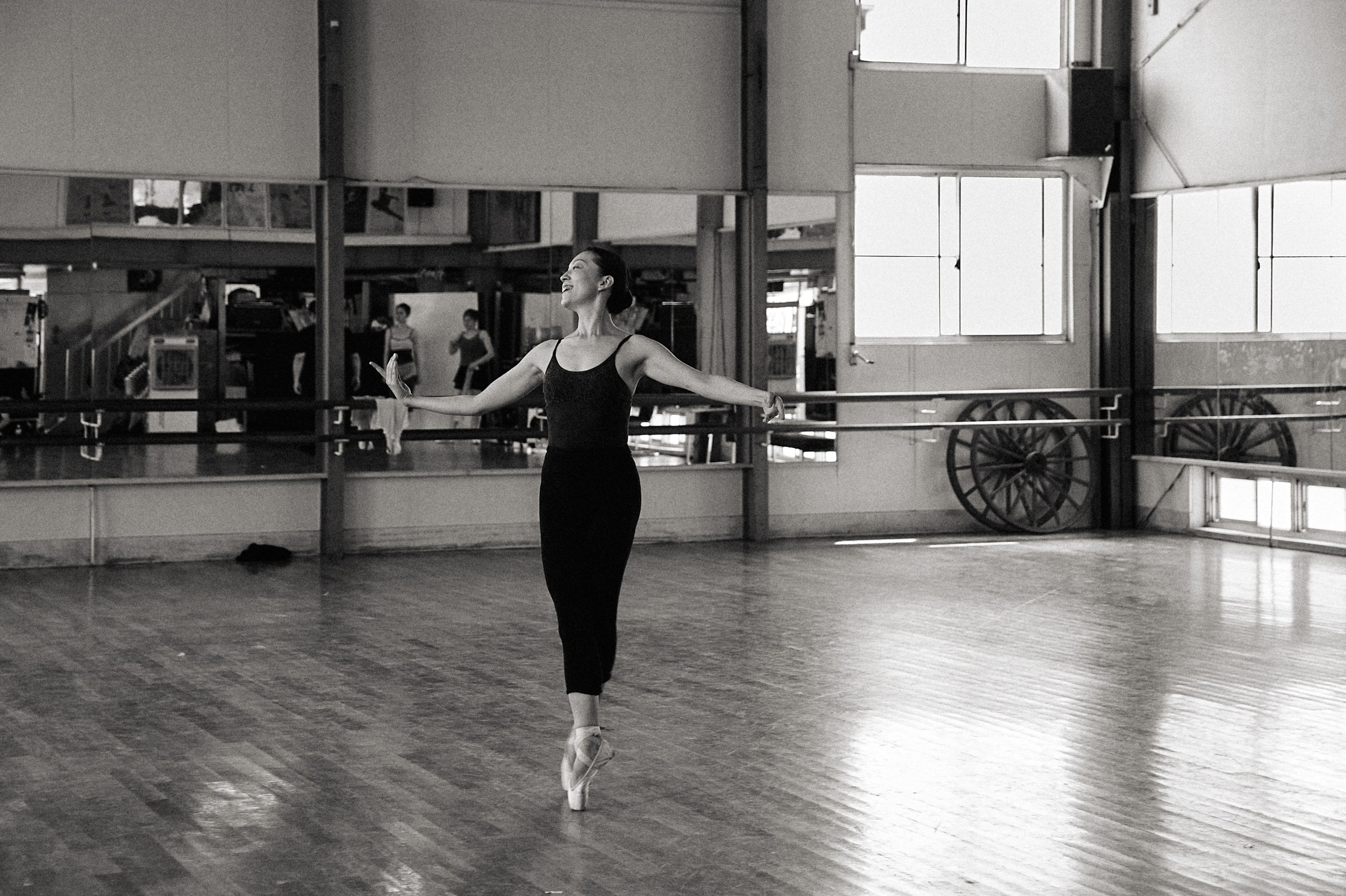
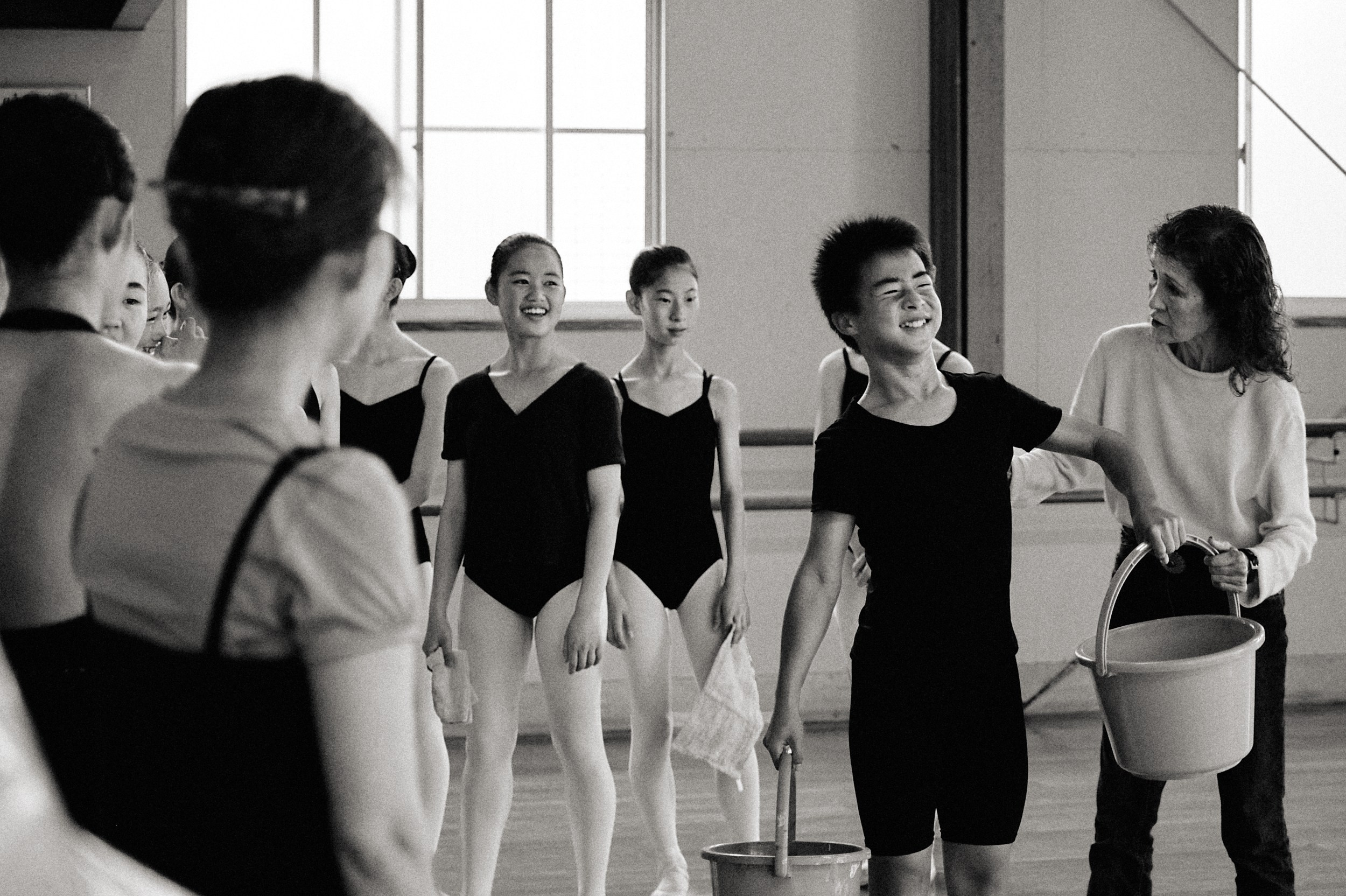
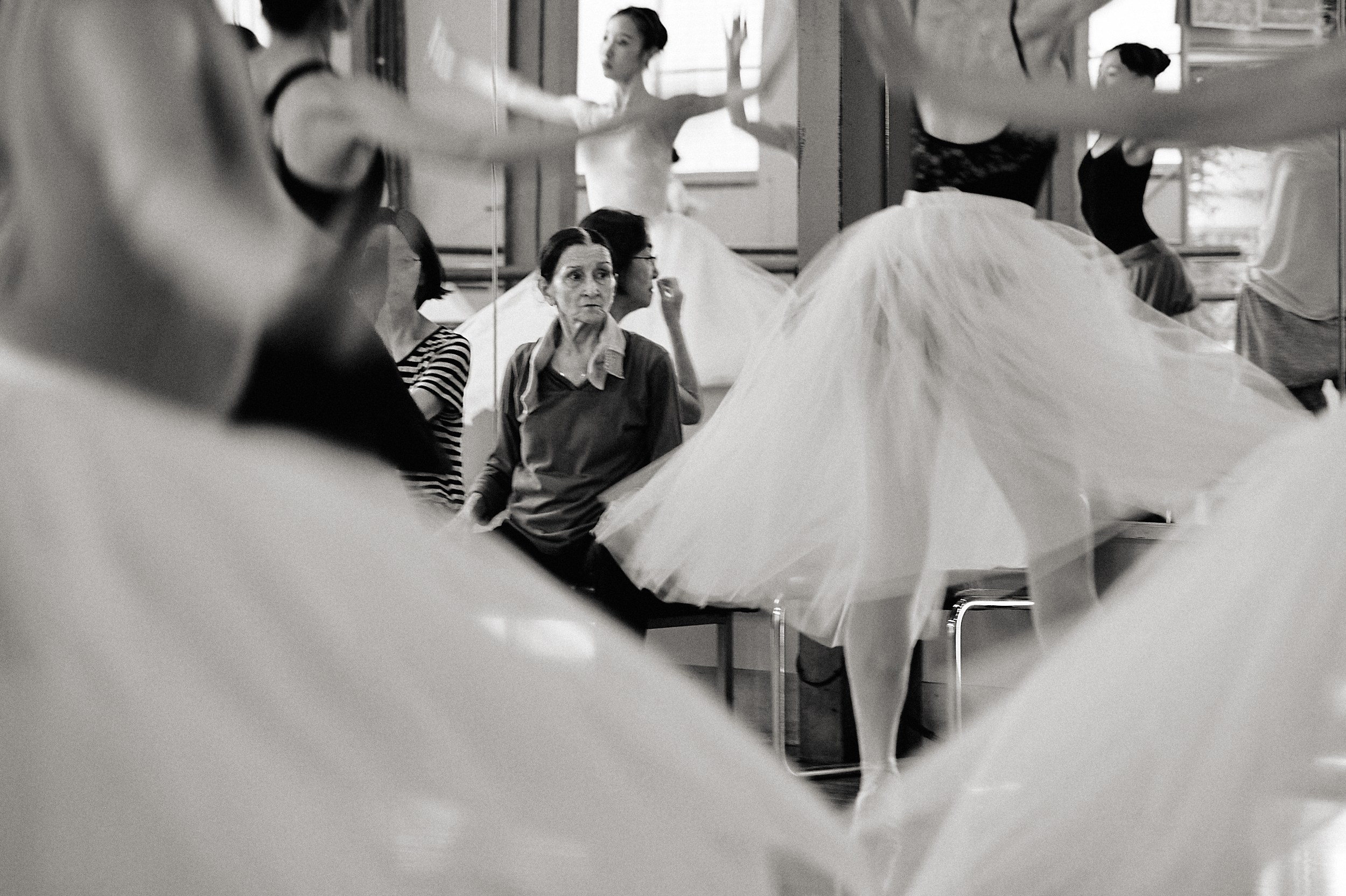
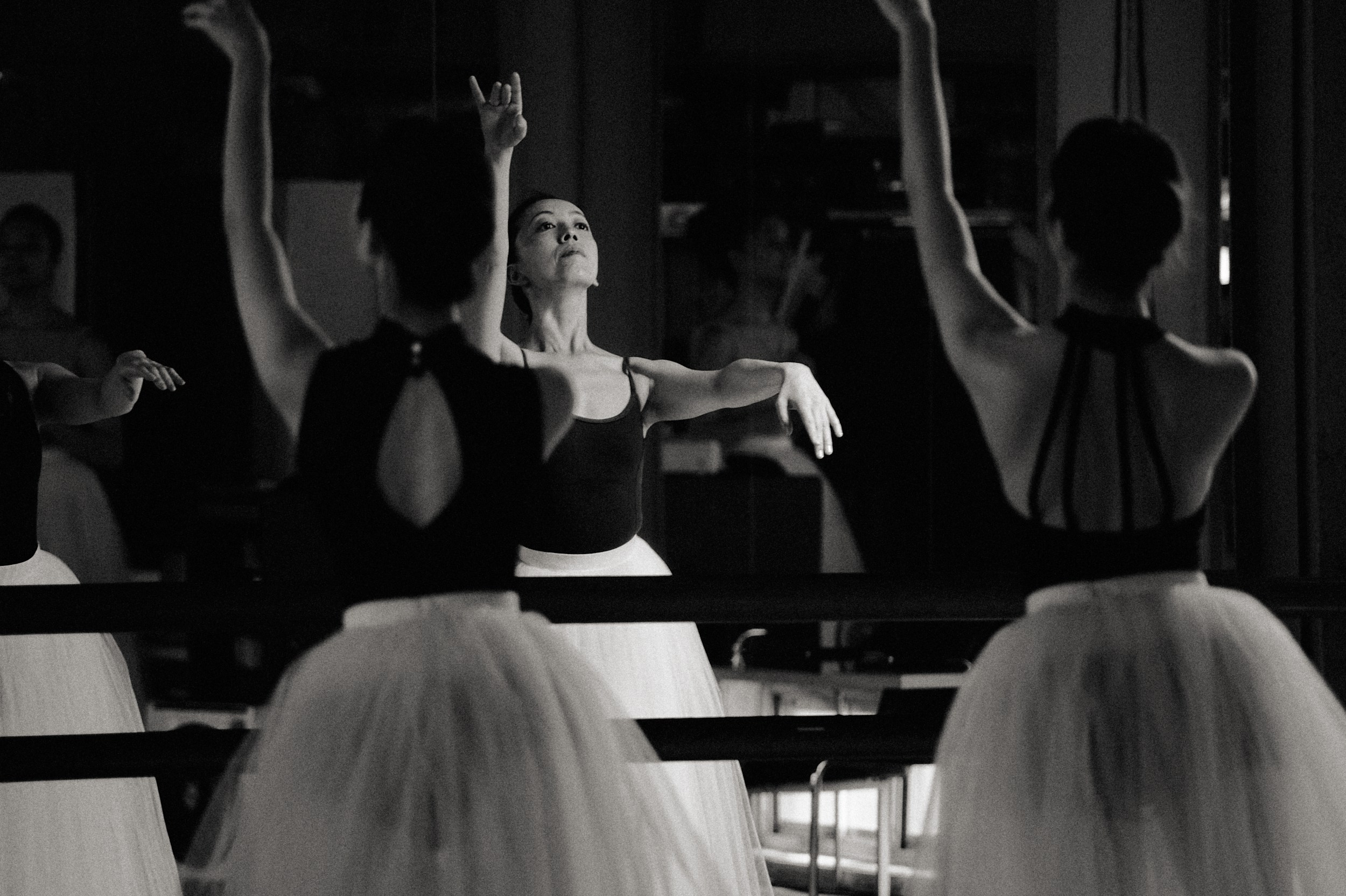
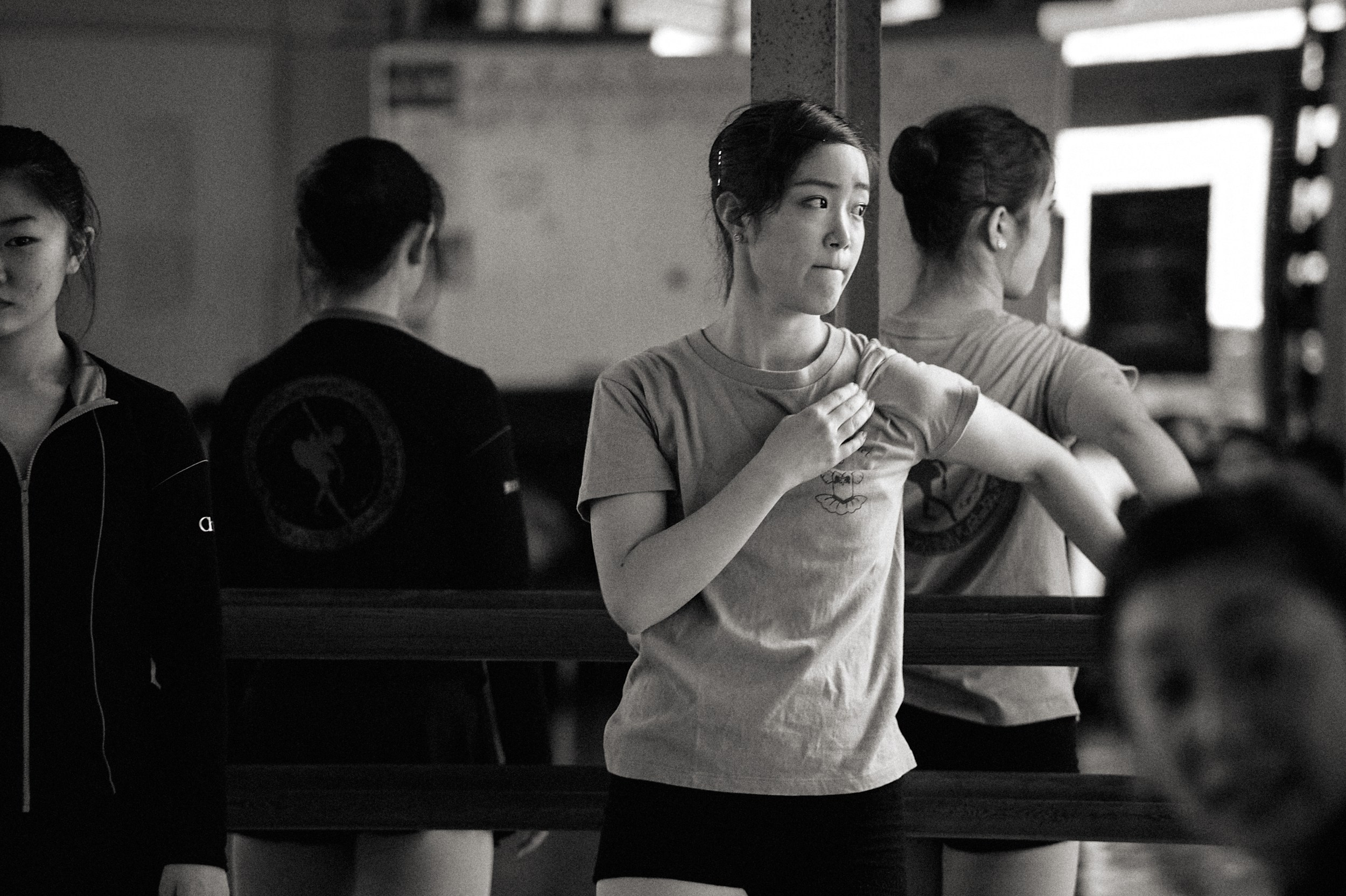
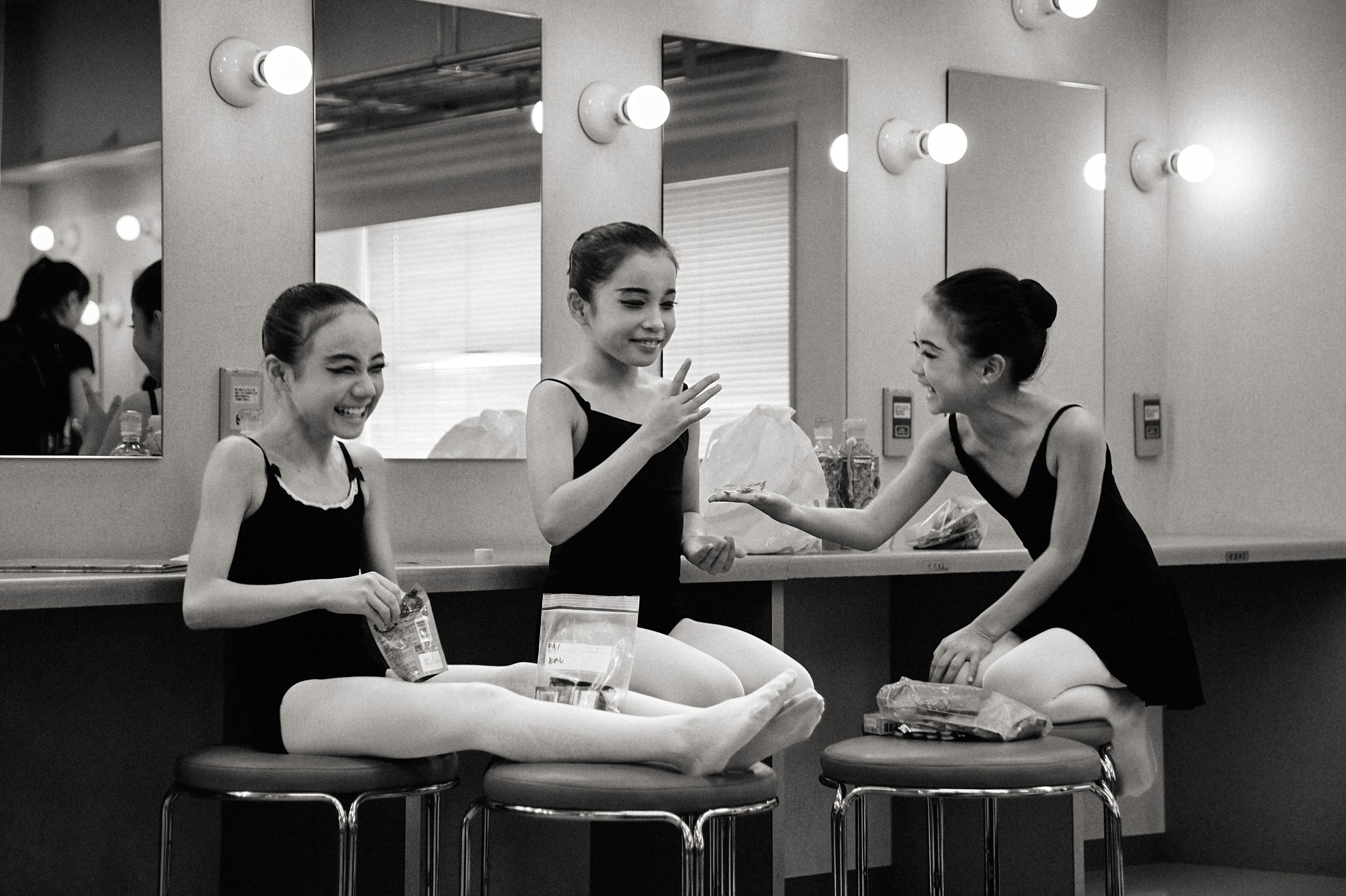
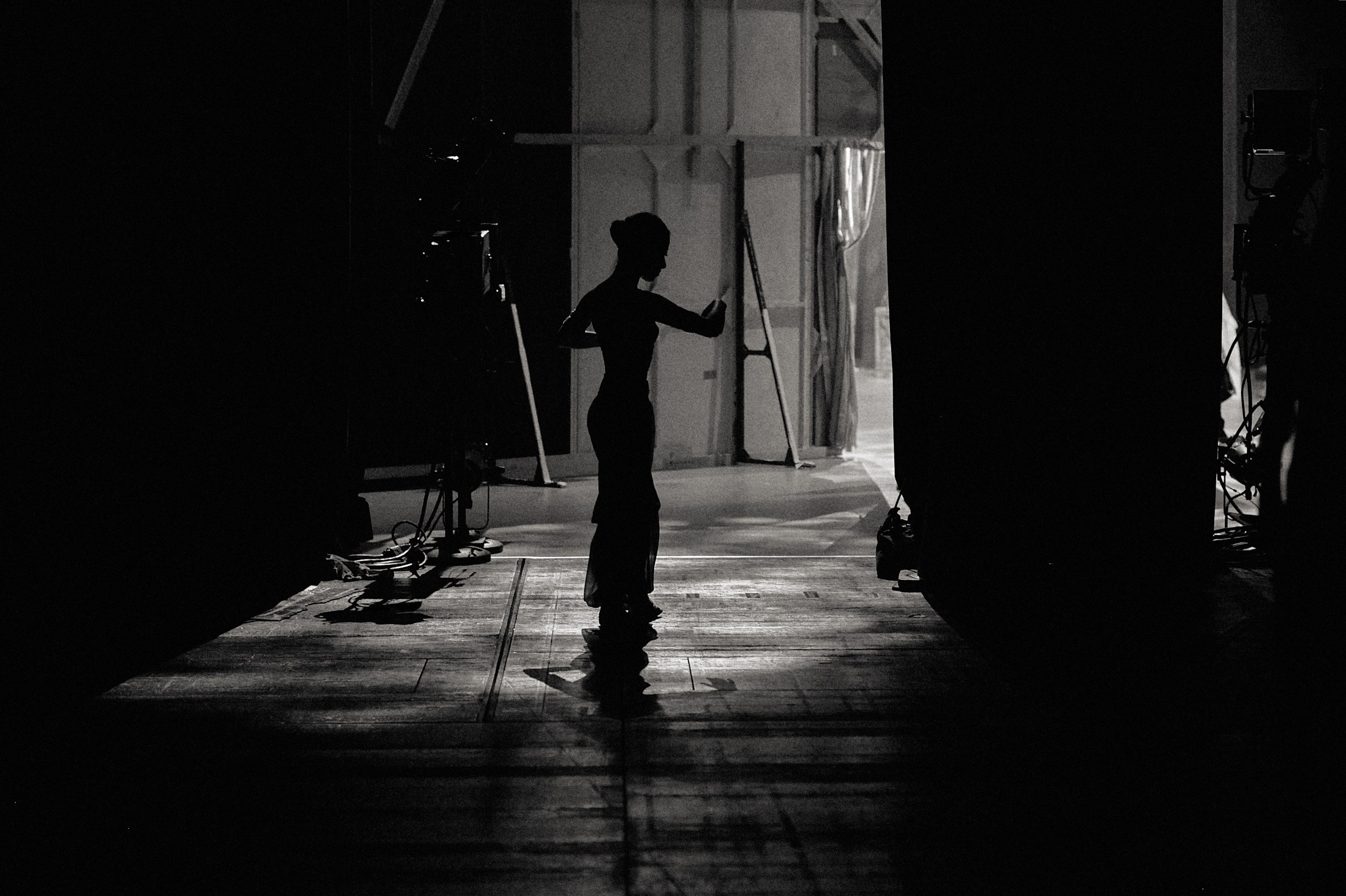
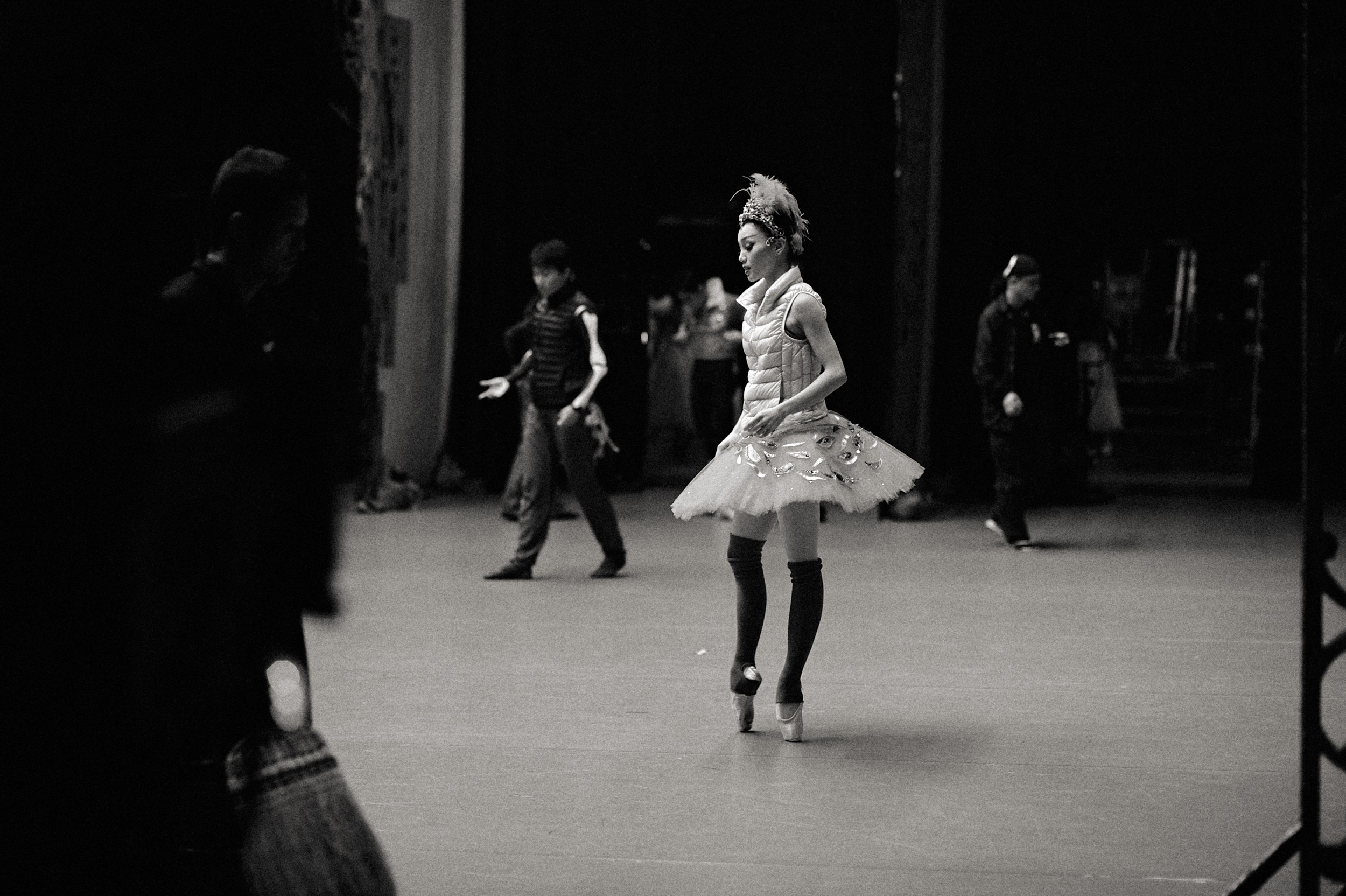
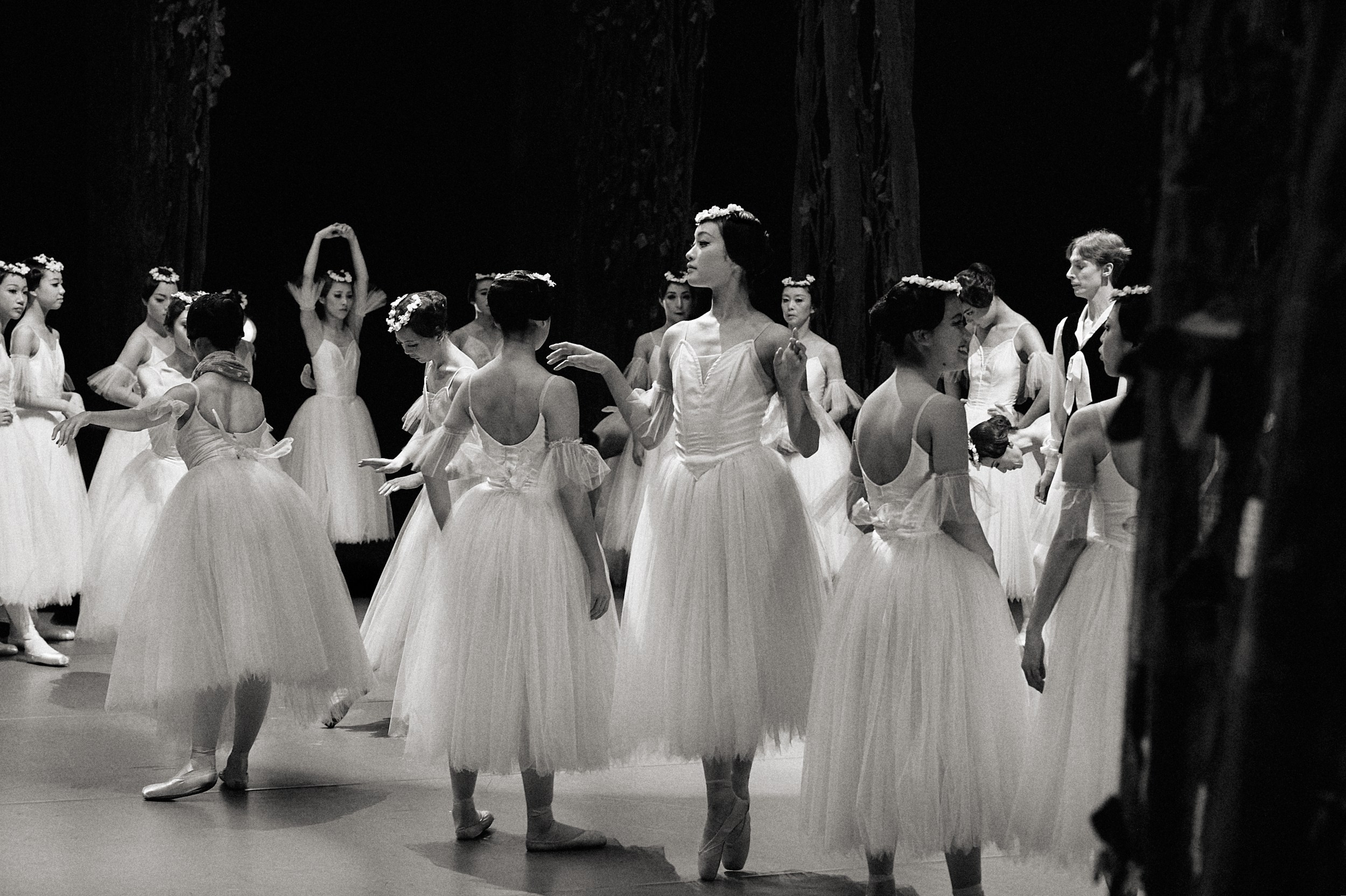
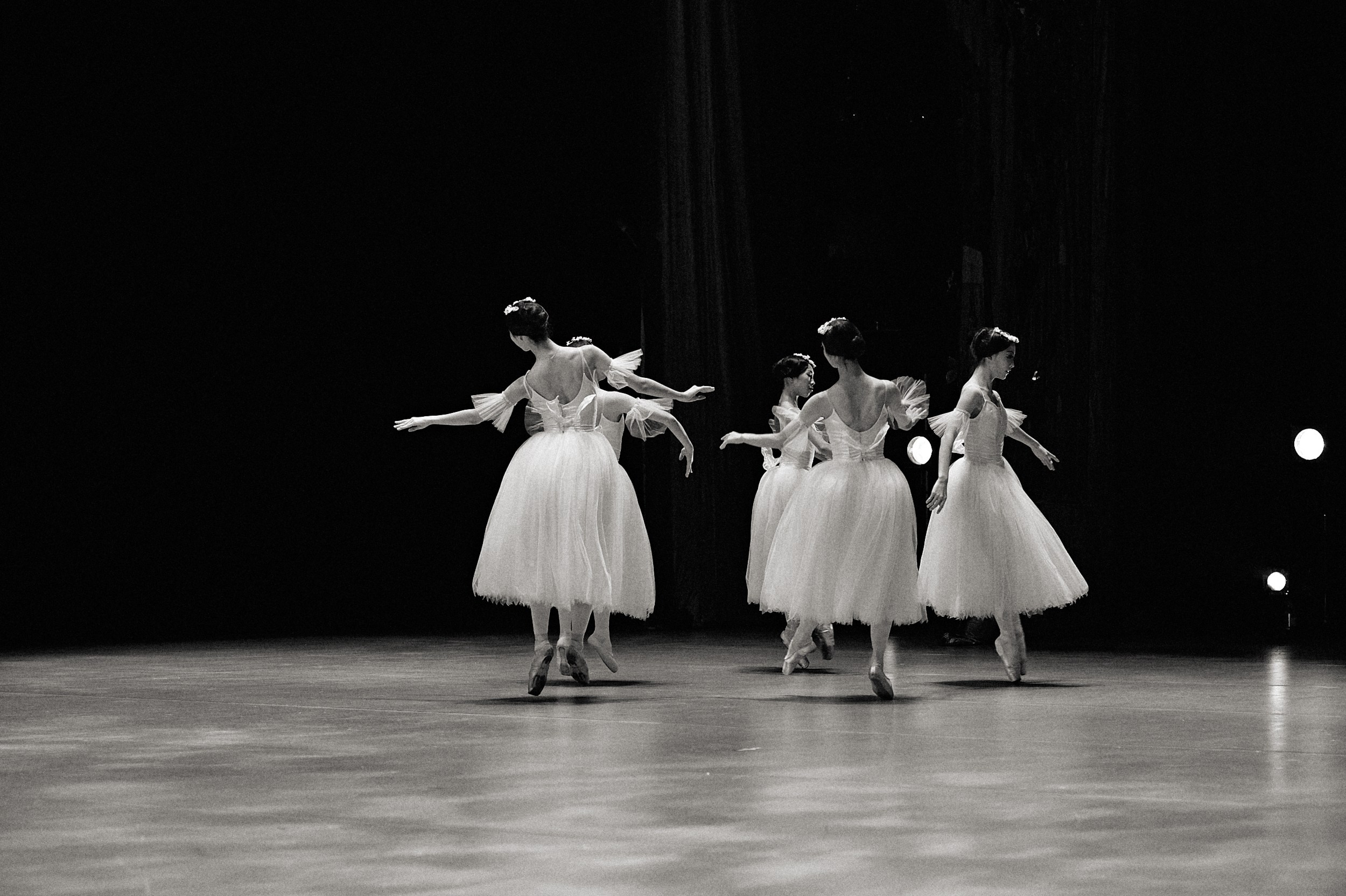
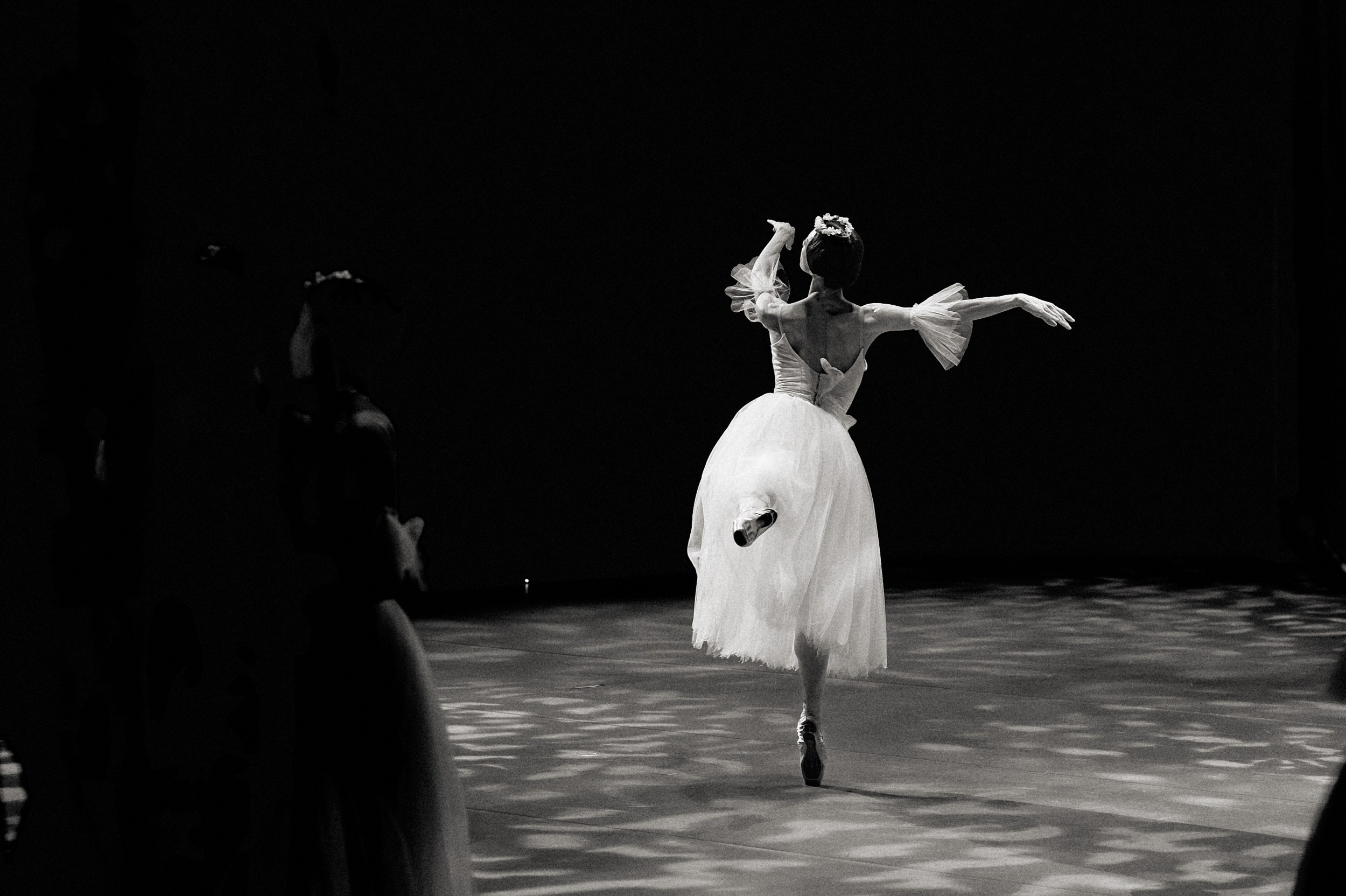
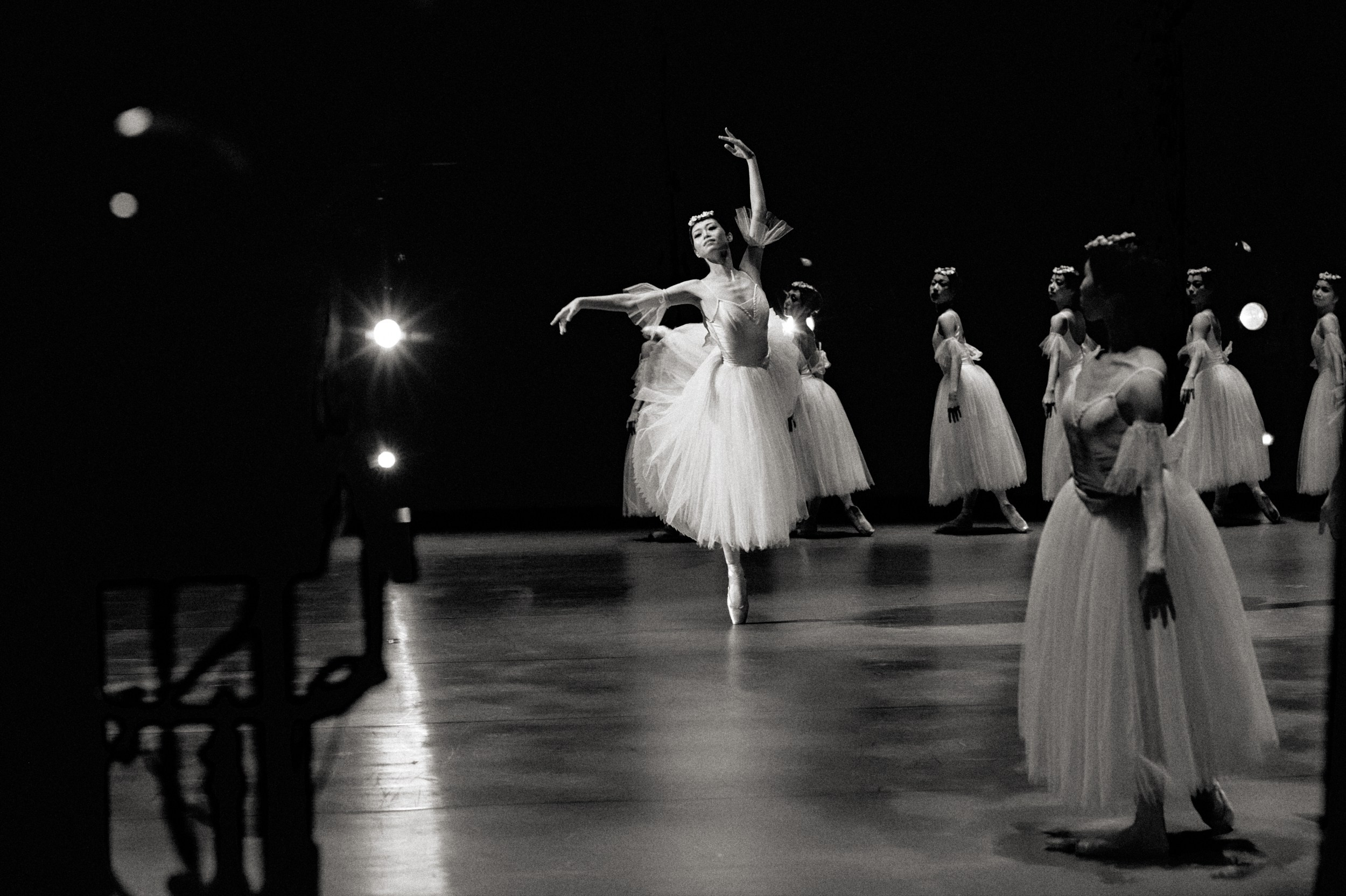
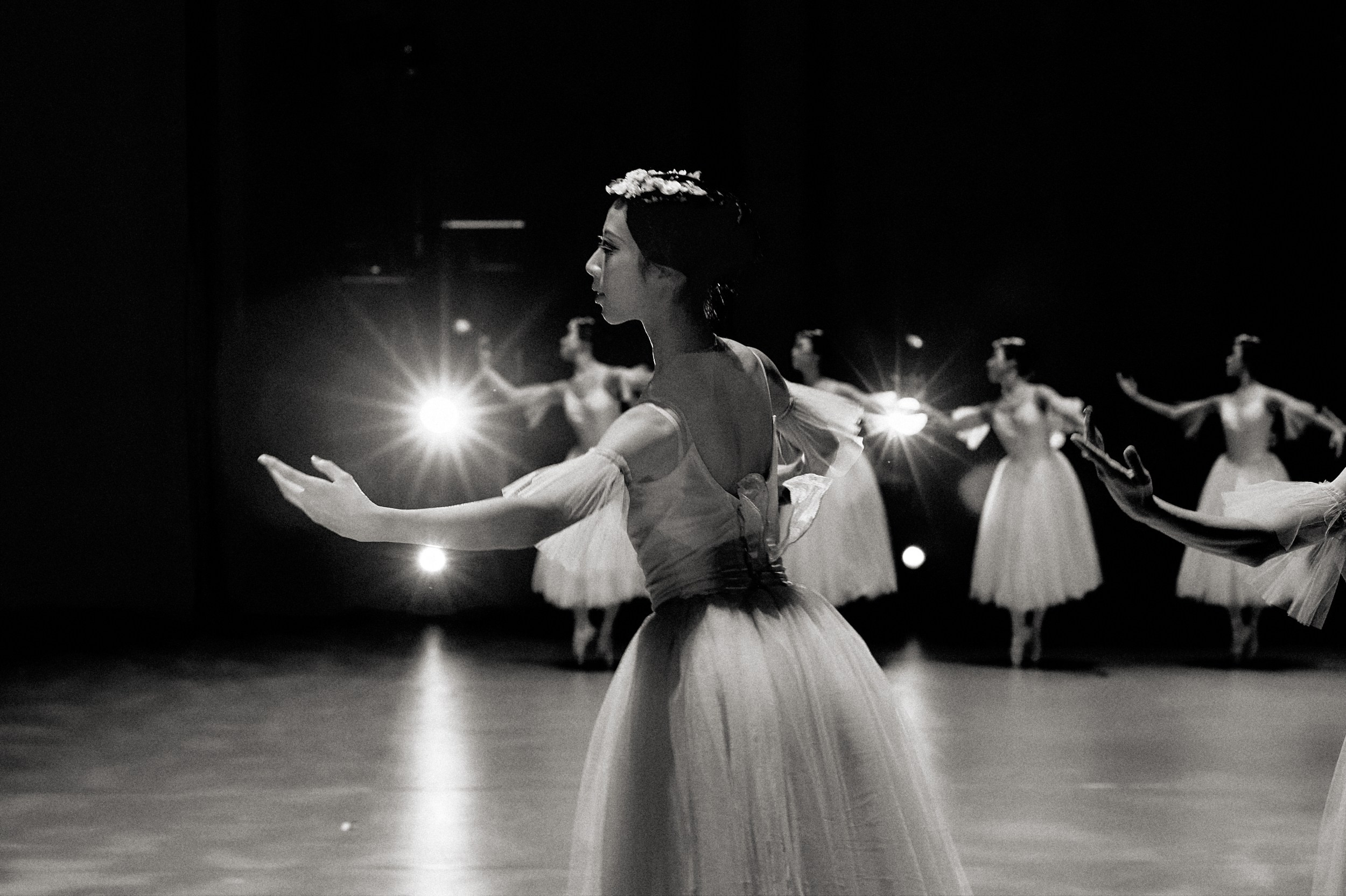
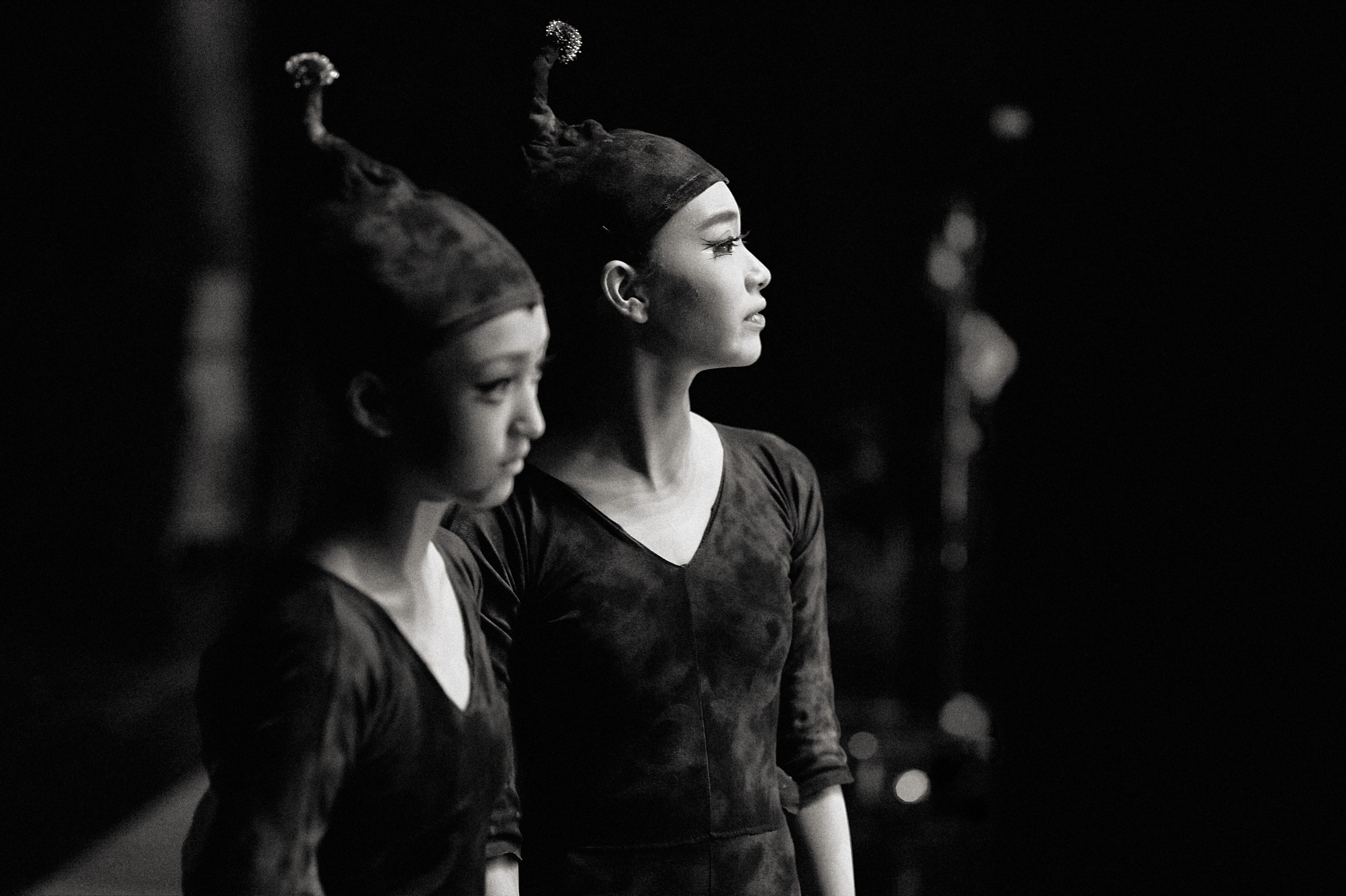
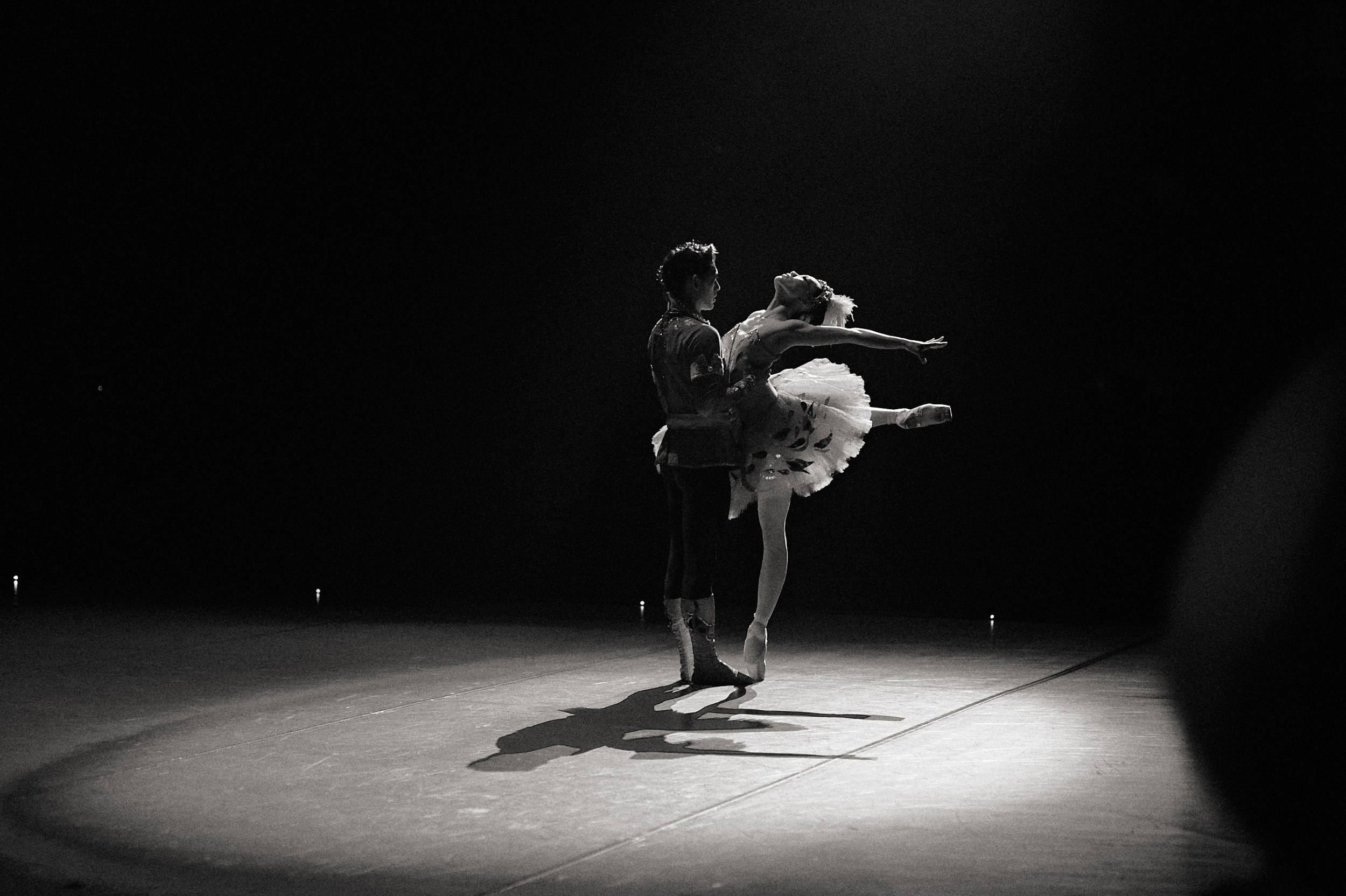
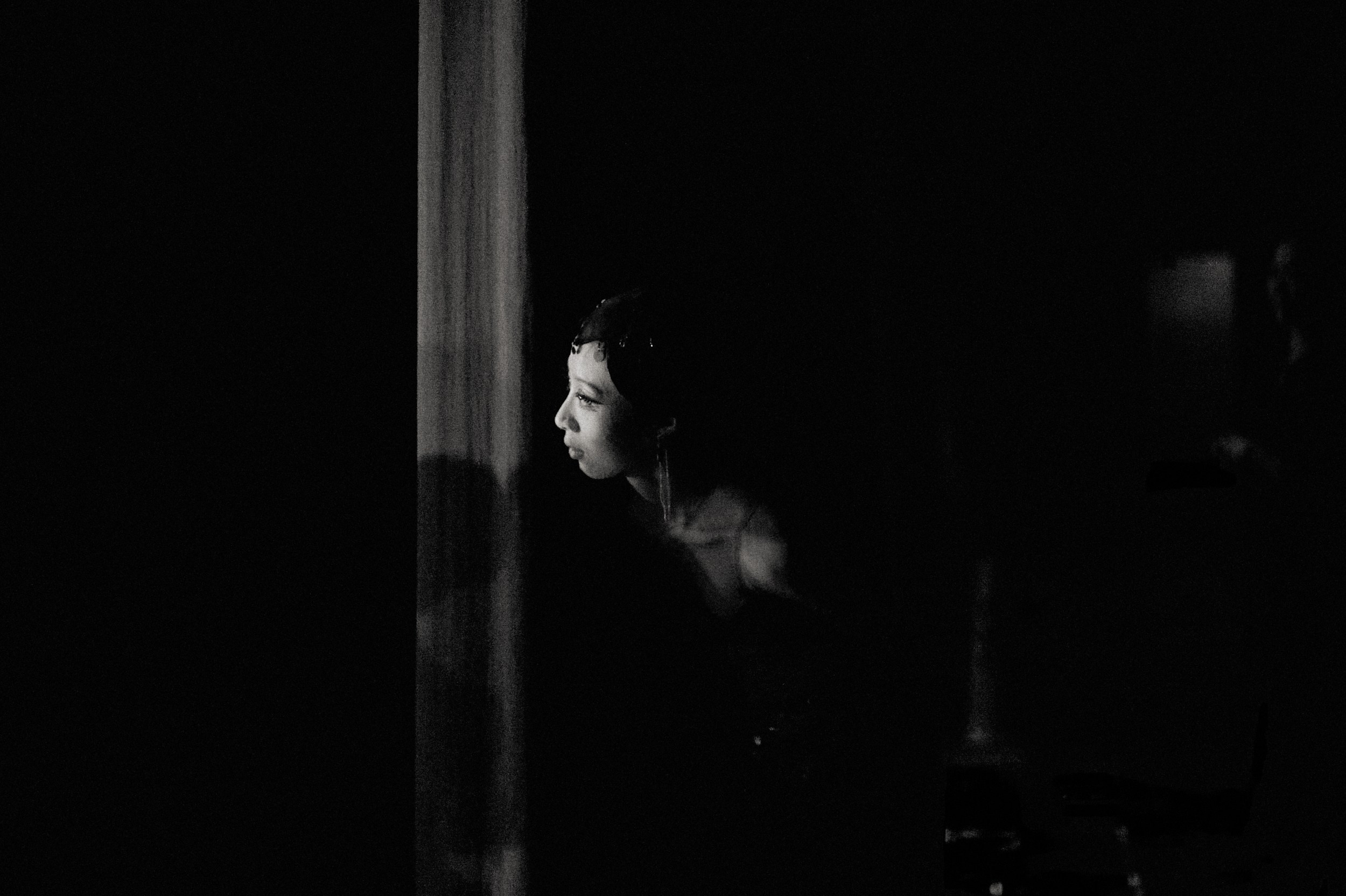
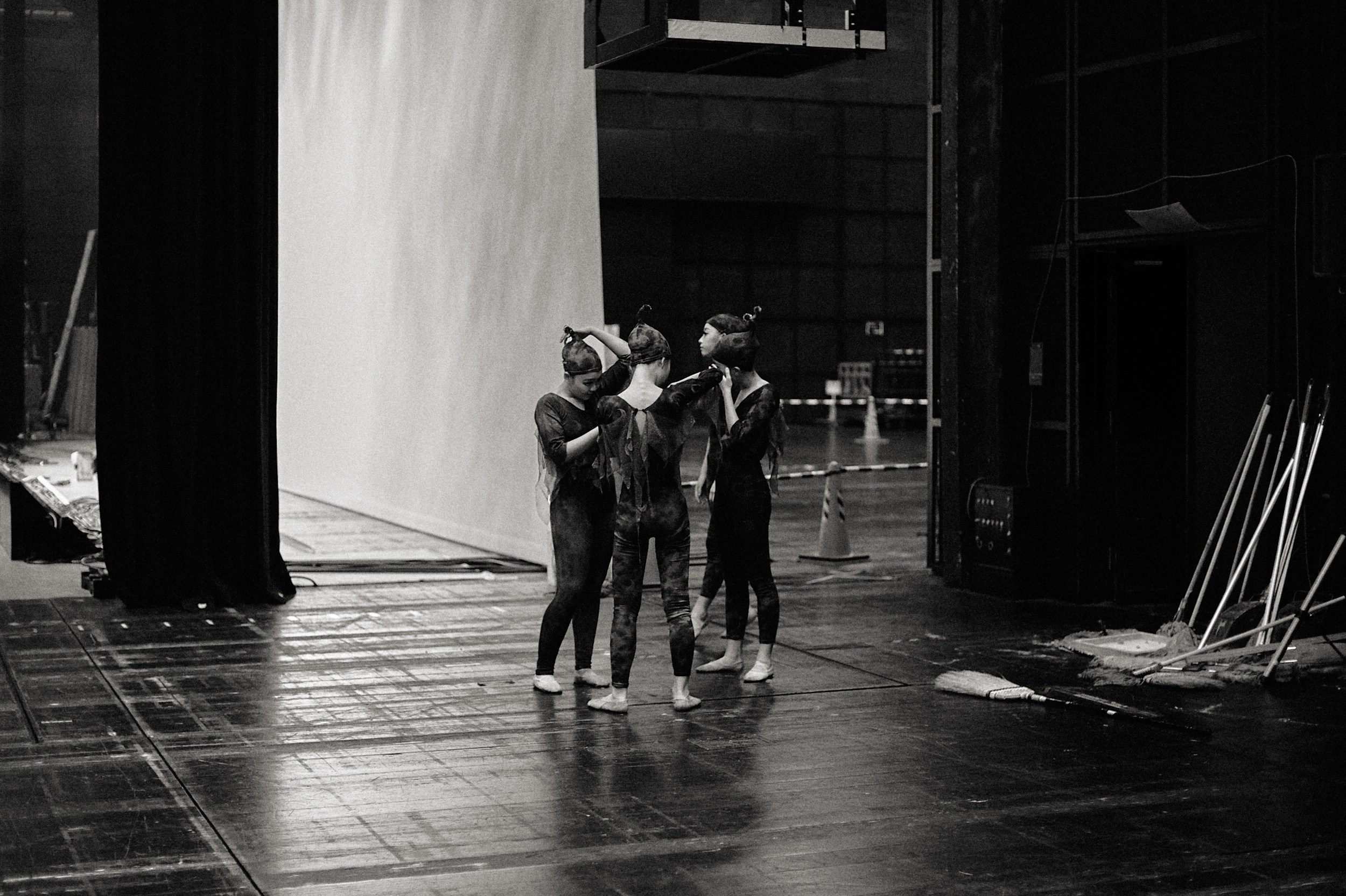
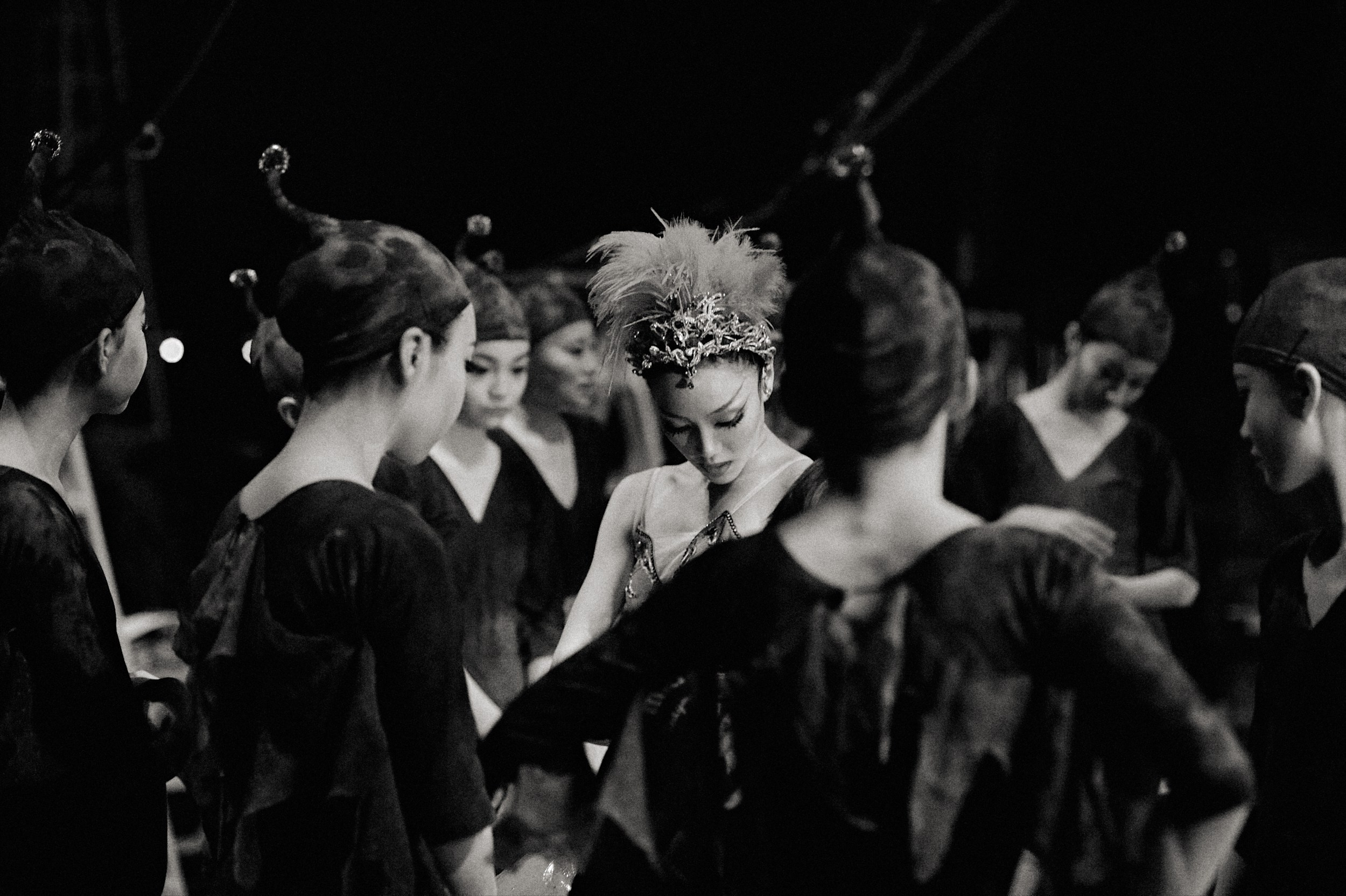
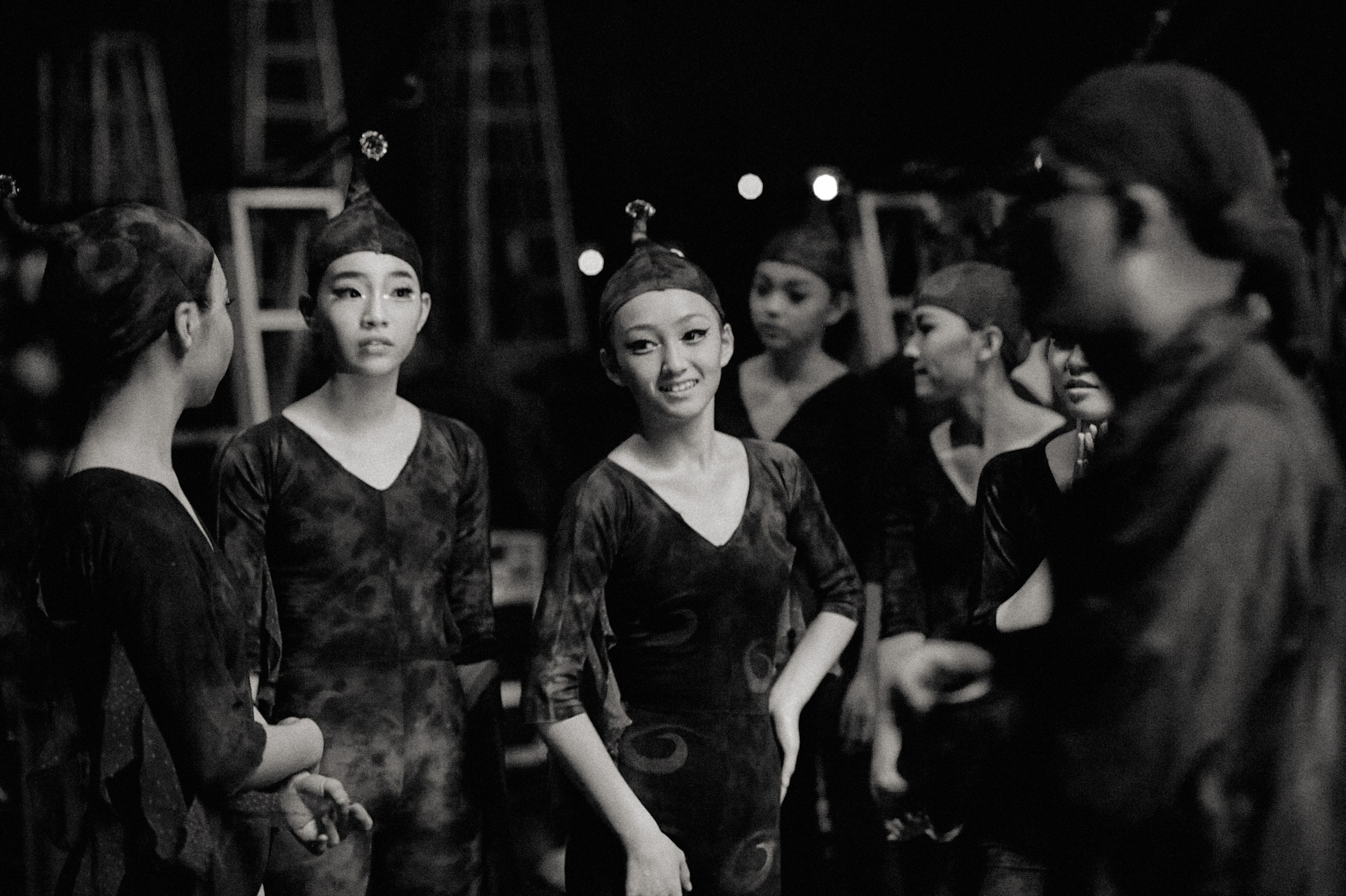
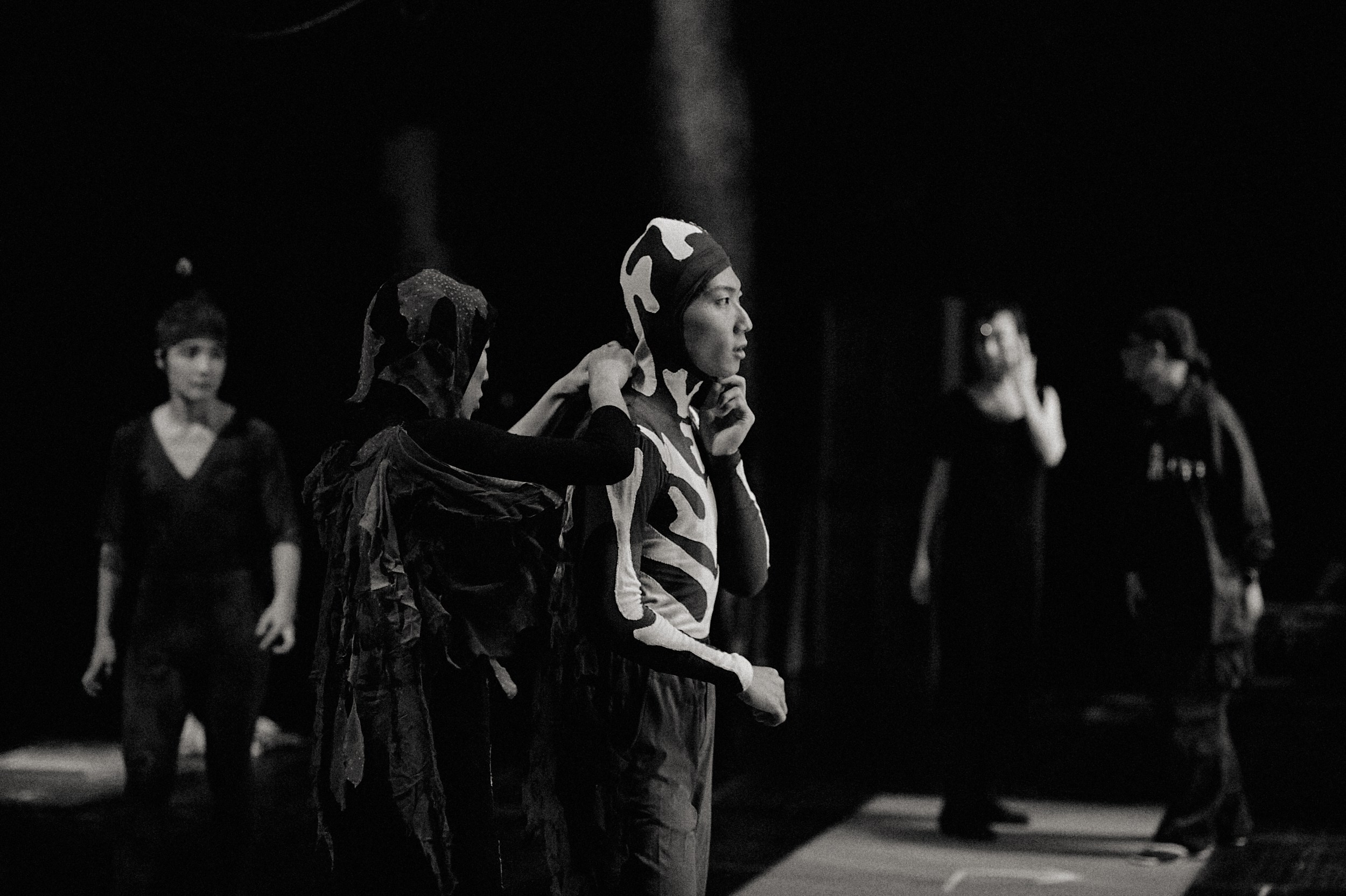
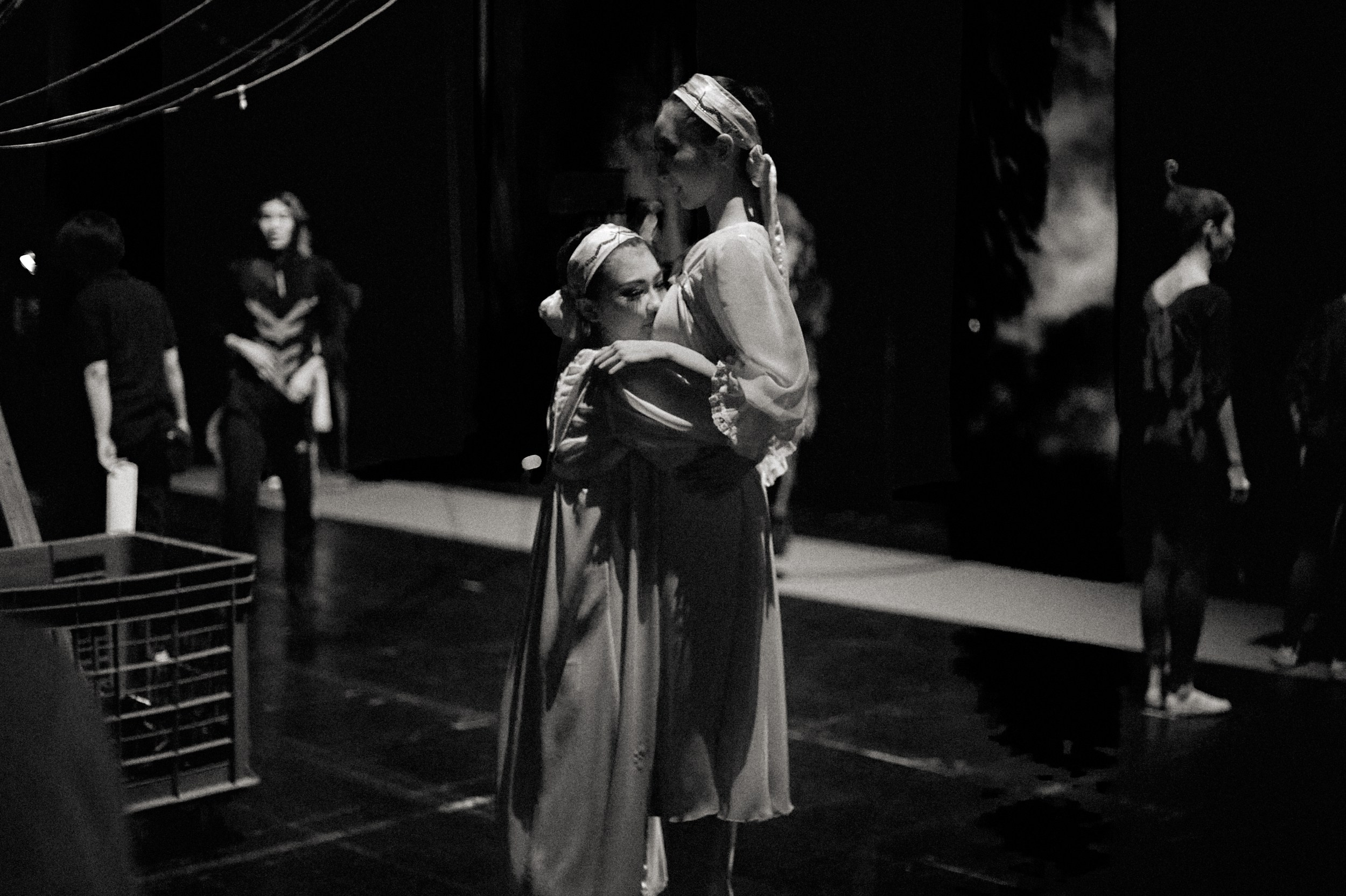
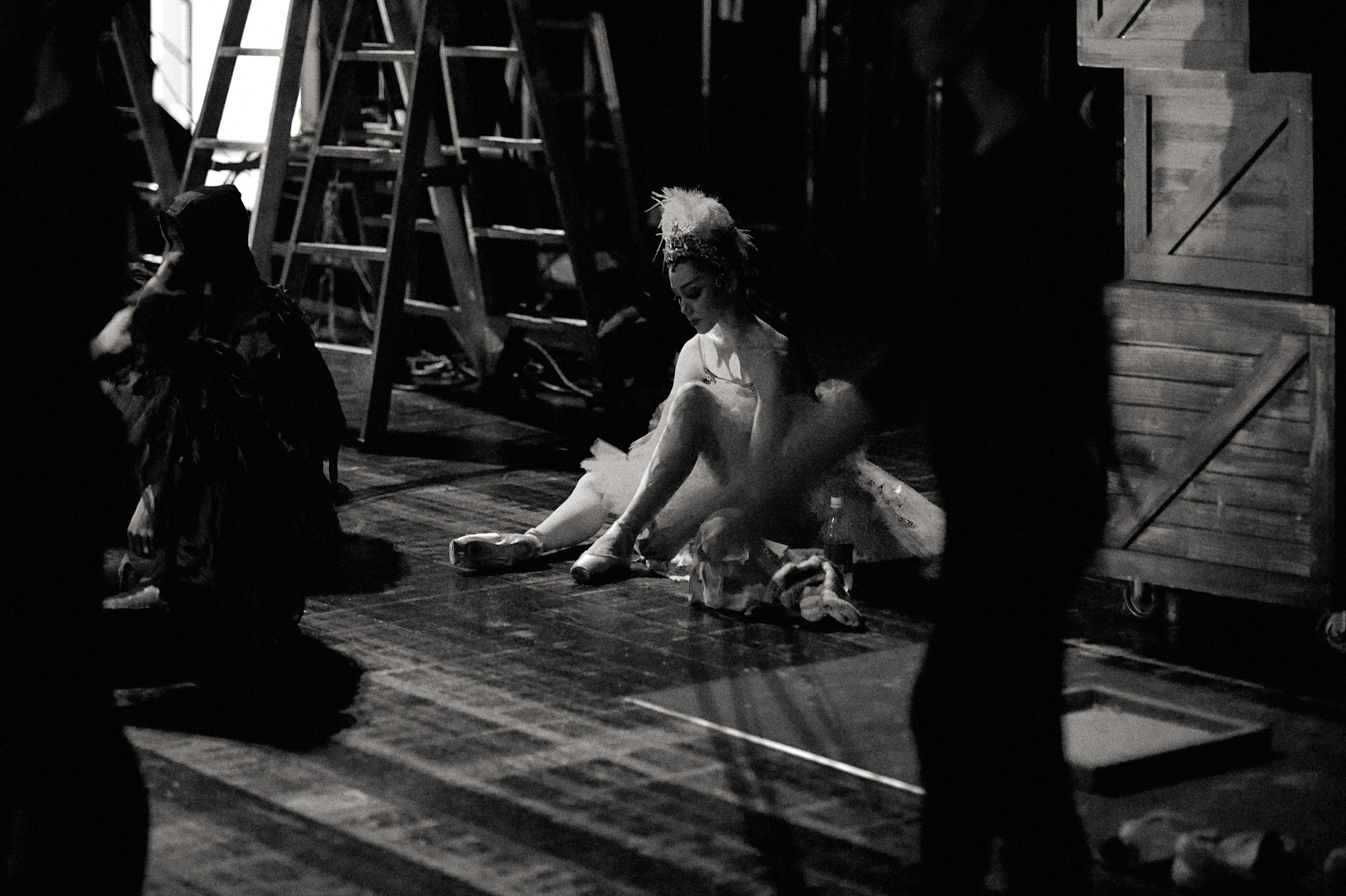
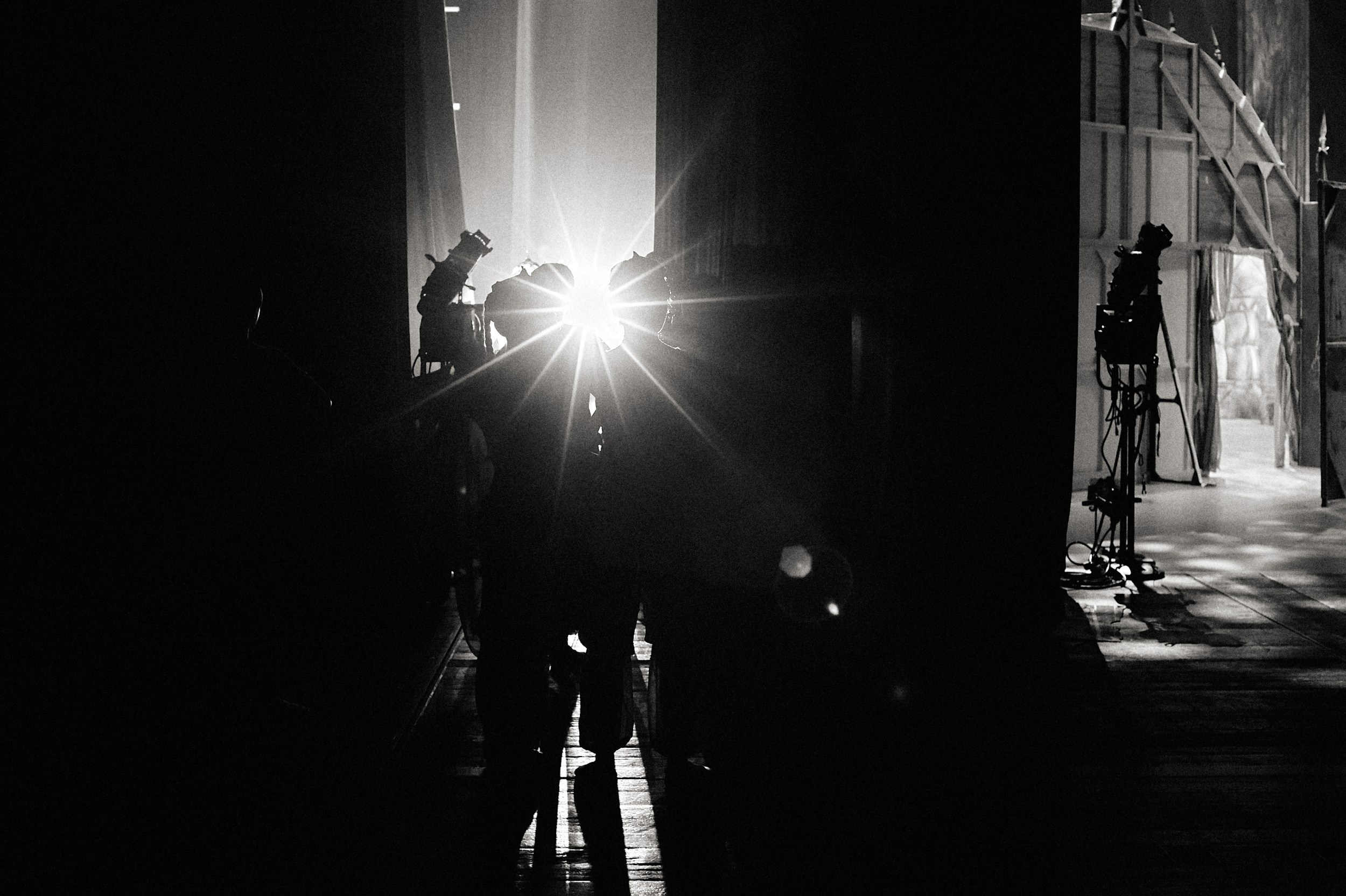
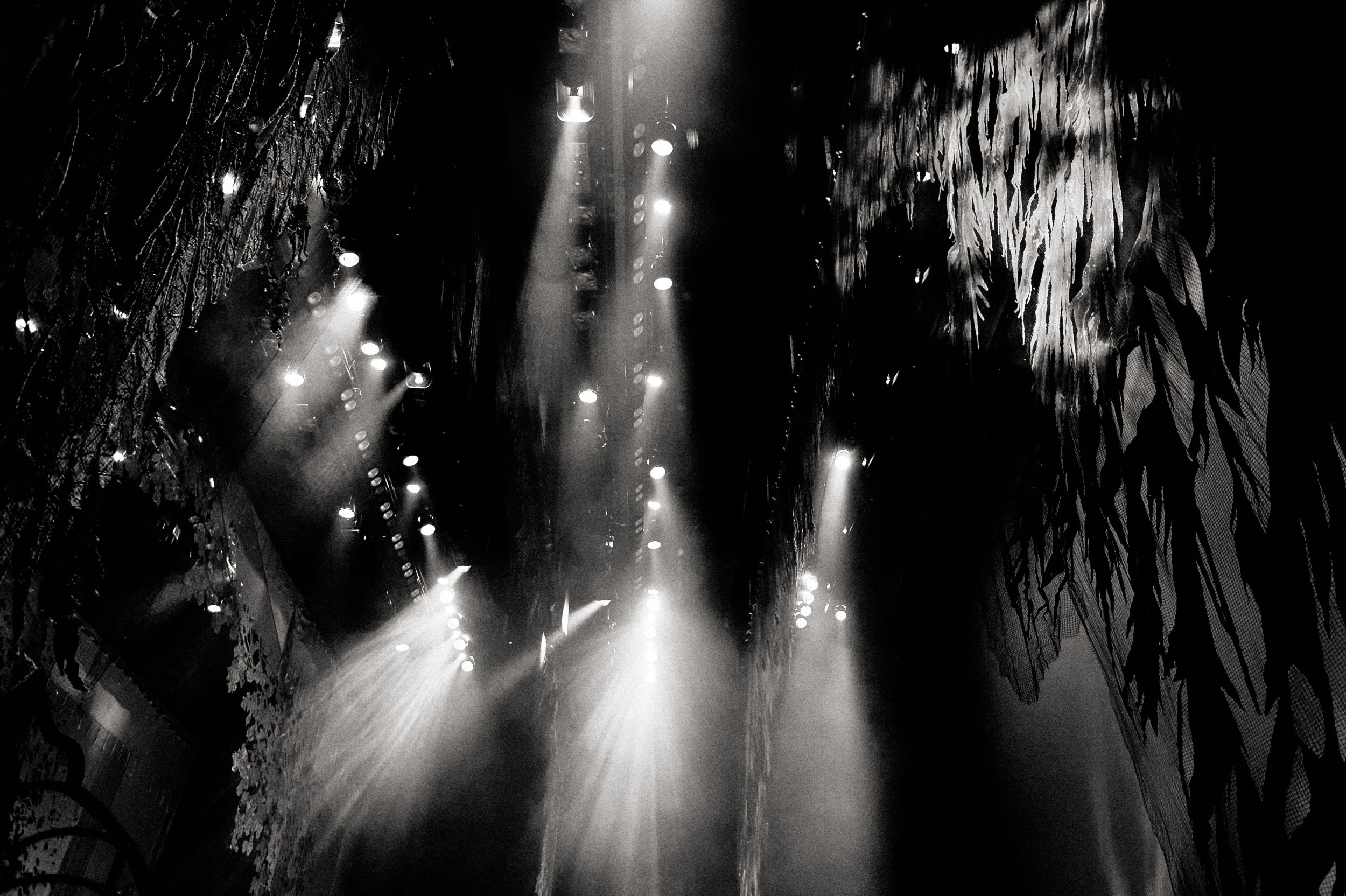
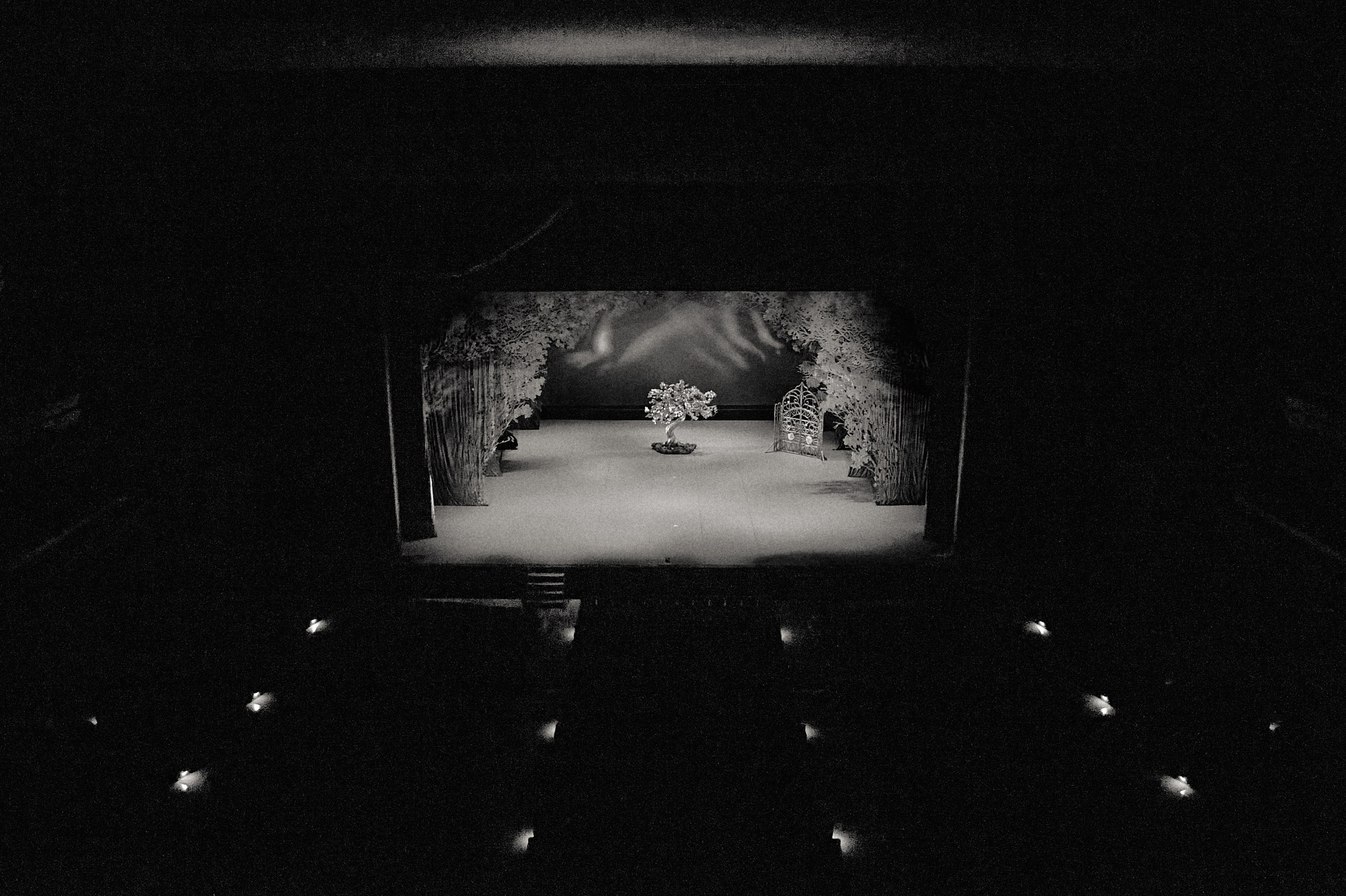
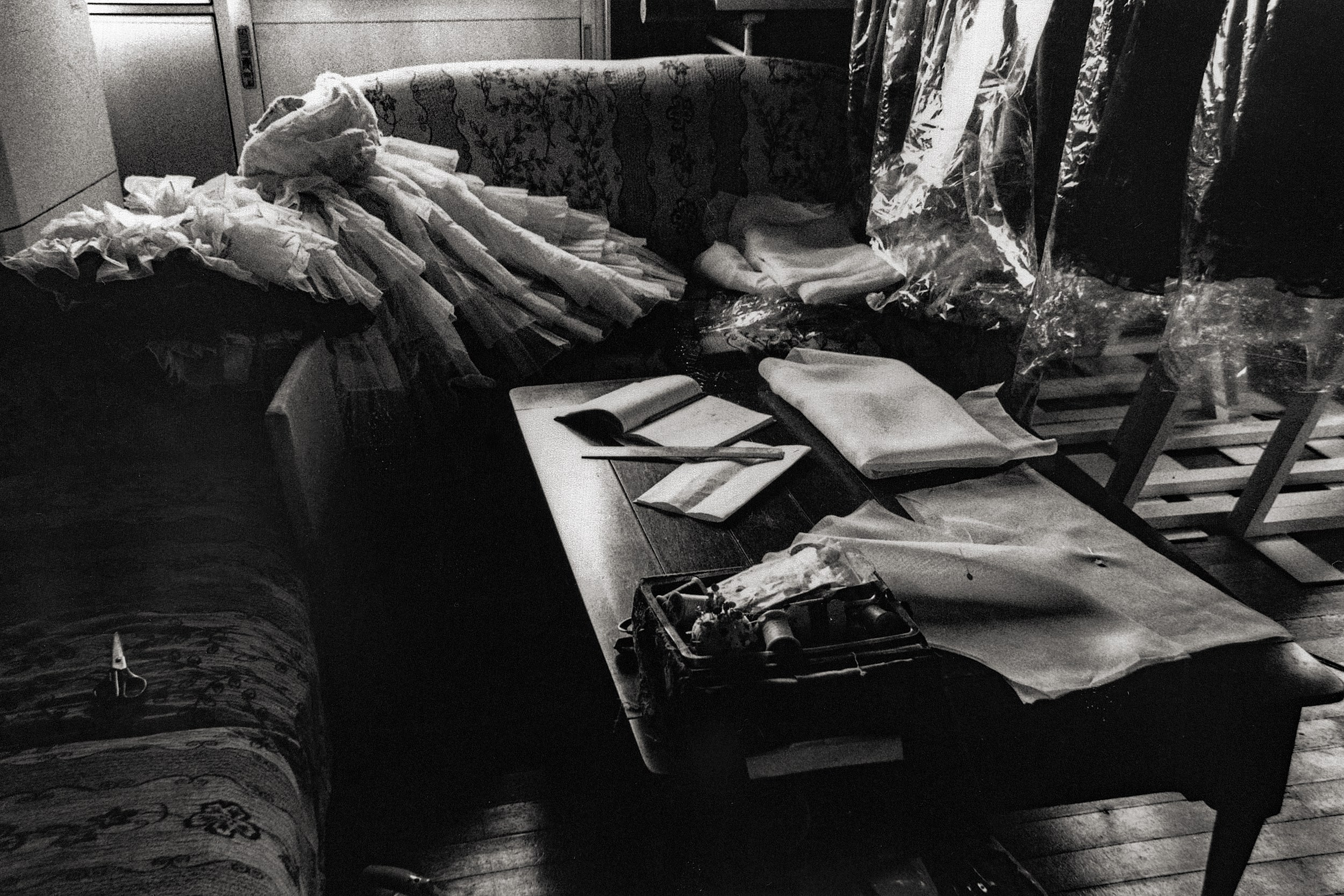
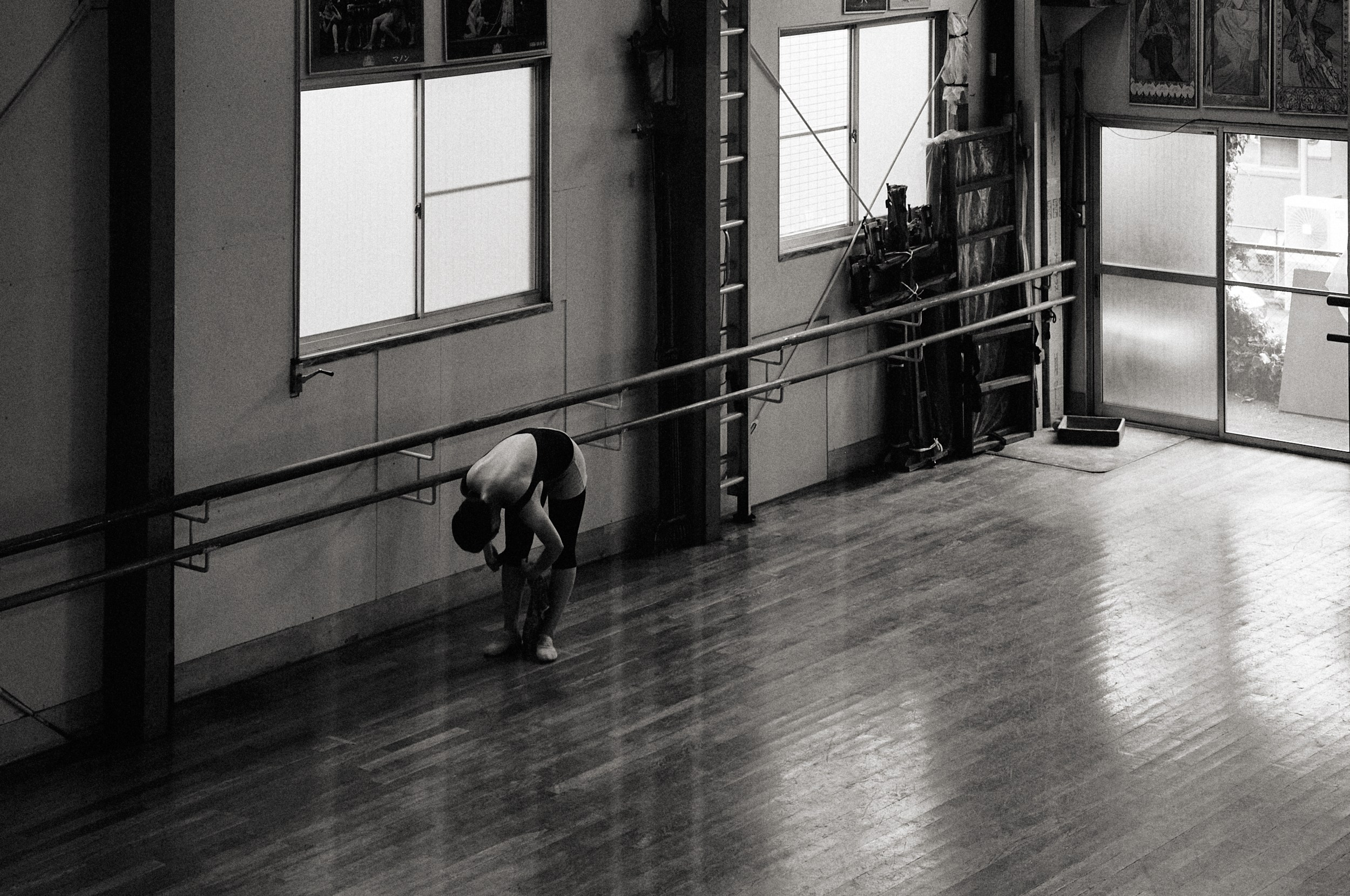
2011年から2013年、あるバレエ団の稽古場を記録した。
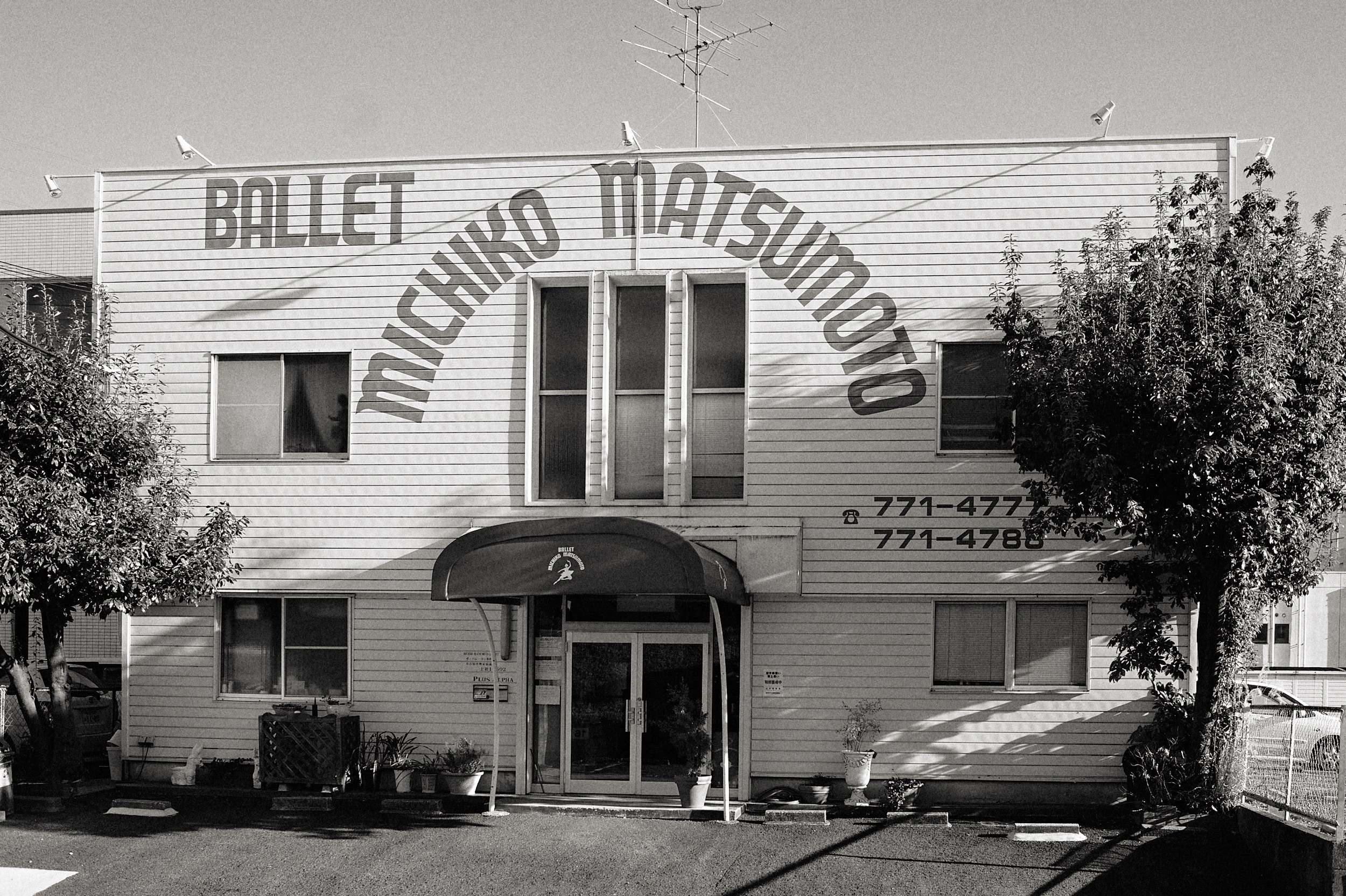
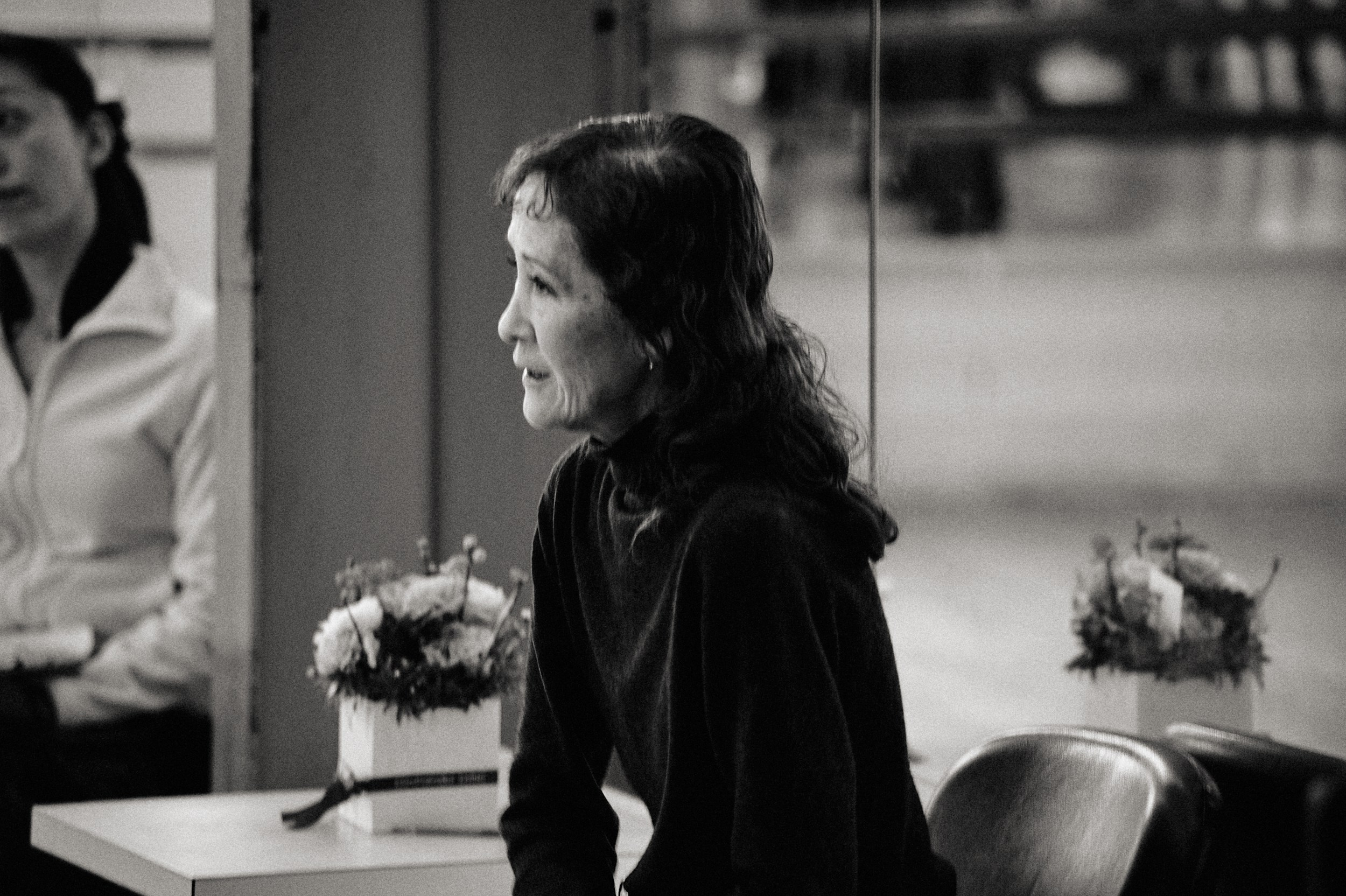
写真を始めた頃、私はただ人を撮りたかった。それでも街に出て「撮らせてください」と声をかける勇気も、どんな写真を撮りたいのかも、自分ではよく分かっていなかった。それでも人を撮りたいと思う気持ちは常にあった。そんな時、バレエ教室に通っていた友人にお願いして、稽古を撮らせてもらう機会を得ることができた。そのバレエ団は1958年発足の歴史あるバレエ団、松本道子バレエ団だった。バレエのことを全く知らない私を、松本道子先生は快く受け入れてくれた。
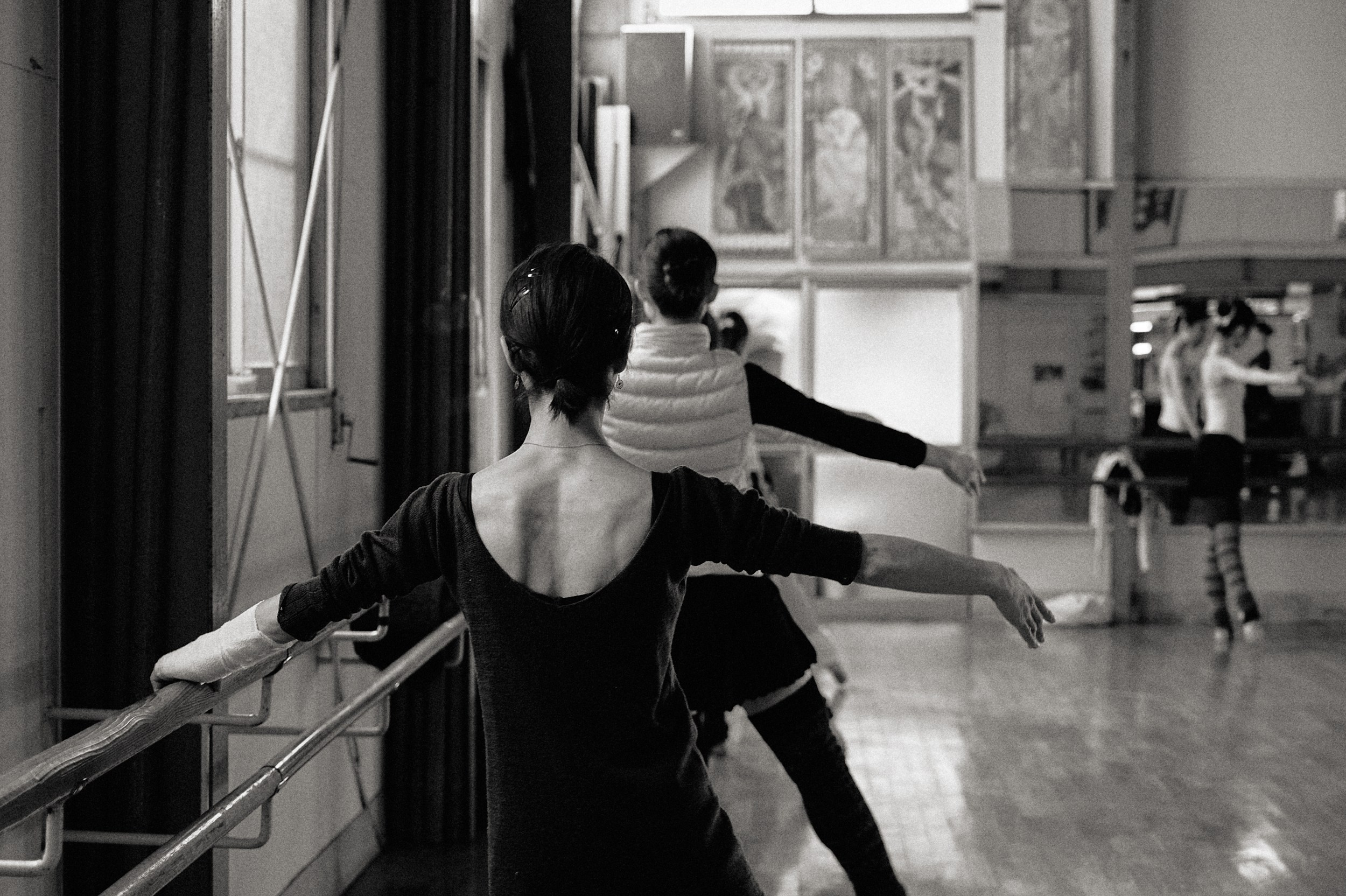
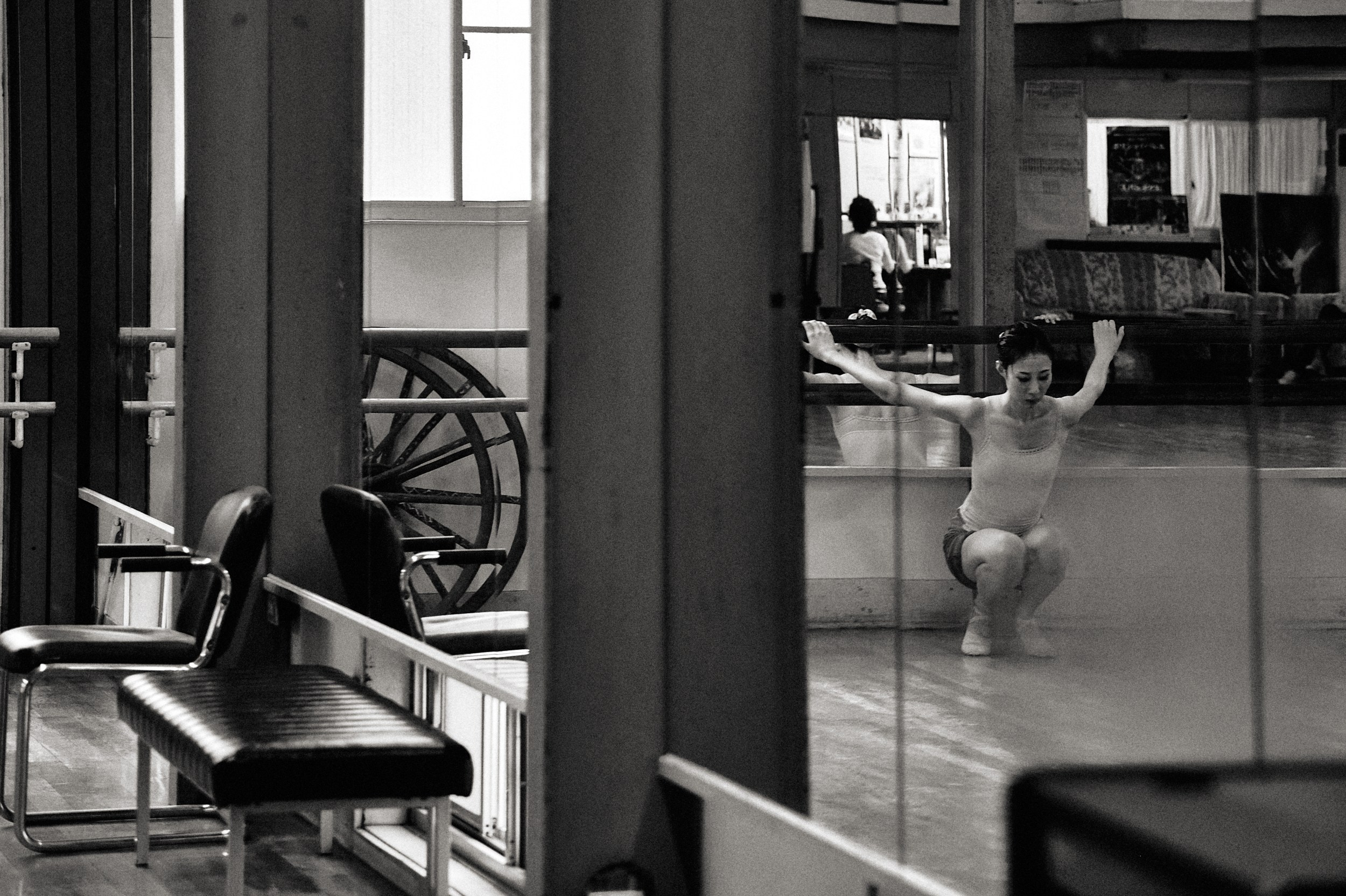
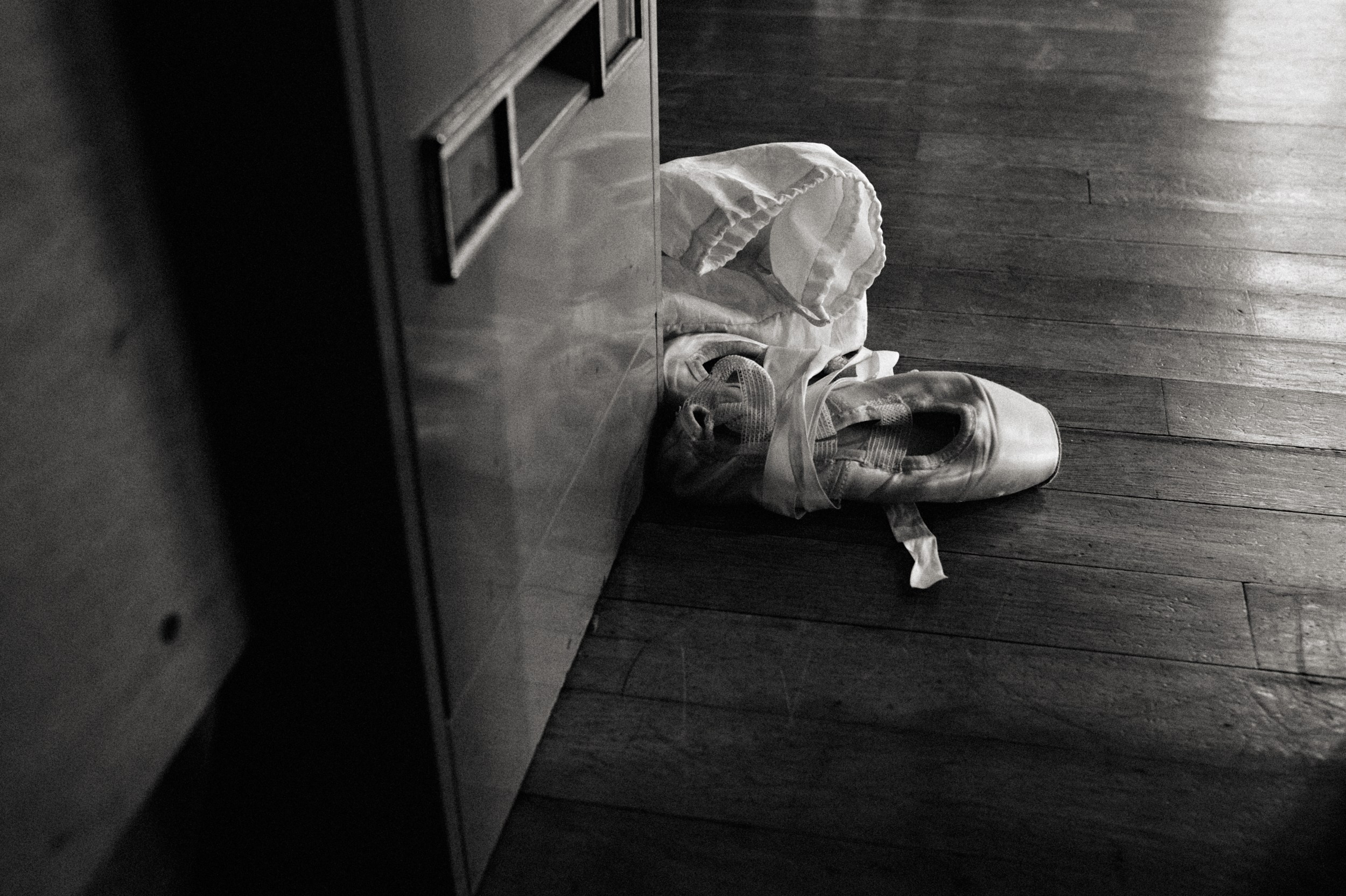
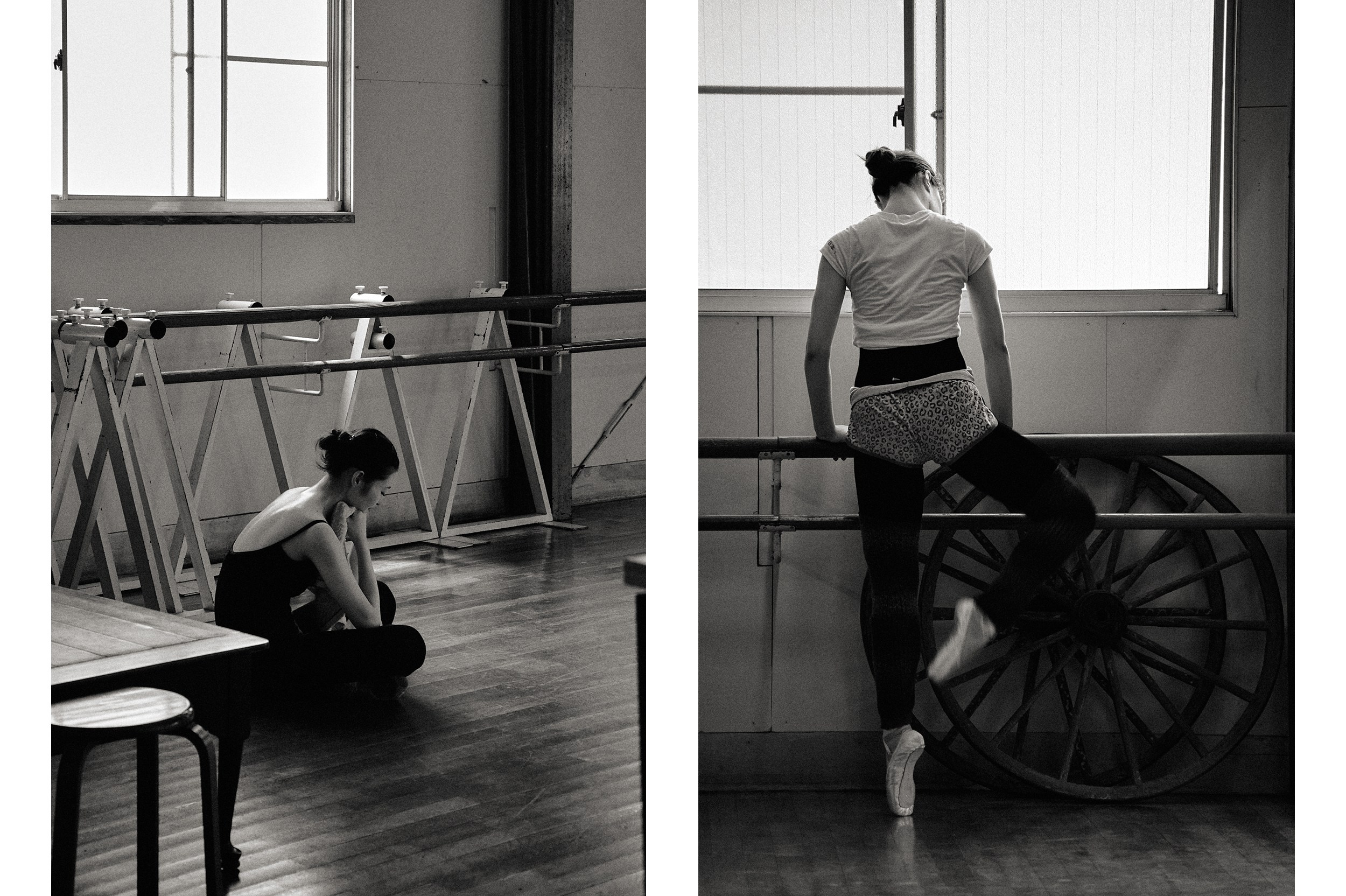
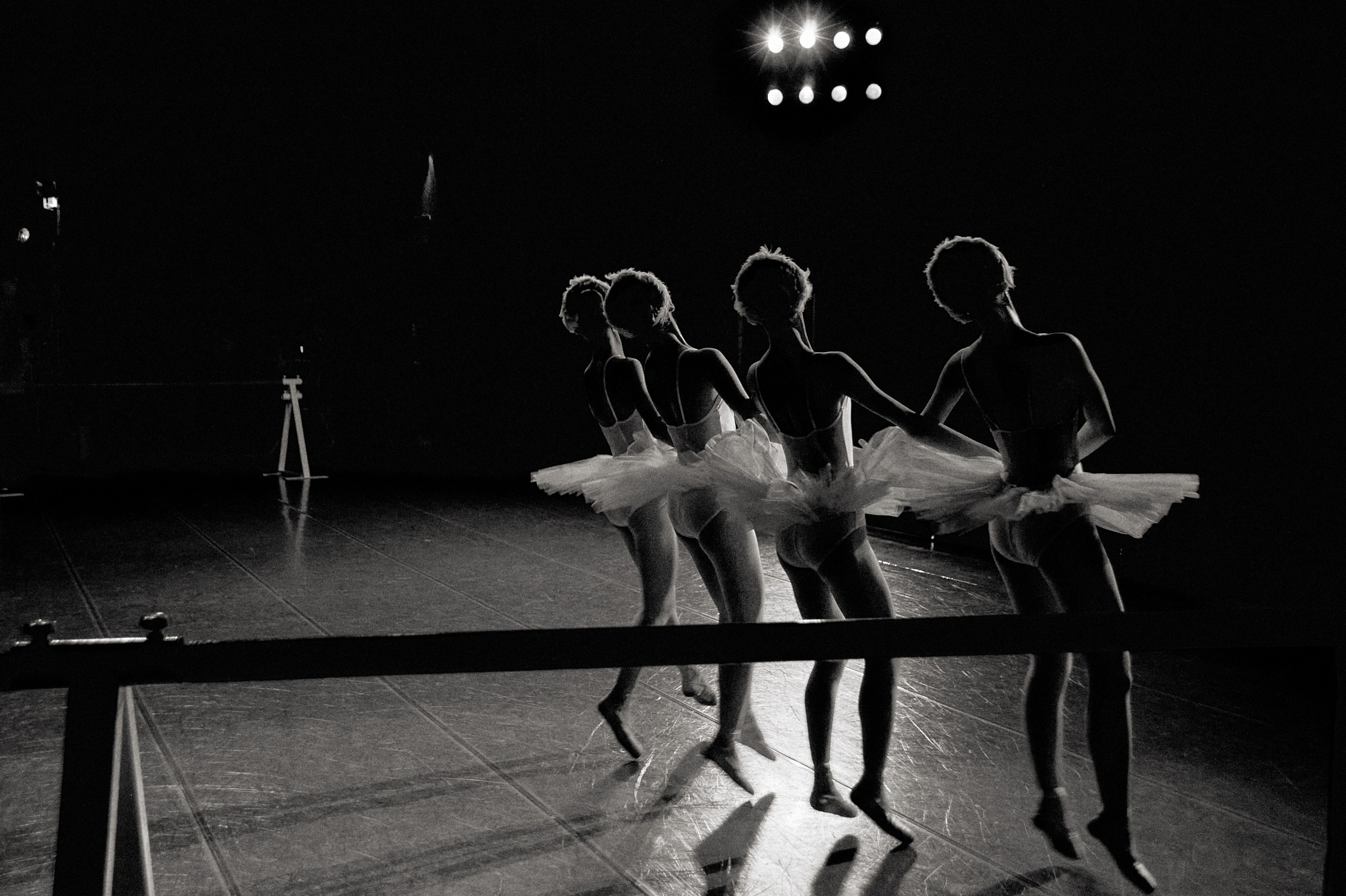
毎週の土曜日と日曜日、稽古を撮らせてもらった。彼女たちの反復に、私自身の反復——同じ場所に、同じ時間に、通い続けるという行為——が重なっていった。最初はどのタイミングでシャッターを切ればバレリーナの美しさが撮れるか分からなかったが、毎週通ううちに、シャッターチャンスが理解できるようになっていった。稽古場は自然光と蛍光灯が混じり合うミックス光で、当時のデジタルカメラでは、実際に見ていた色を再現することができなかった。しかしある日、同じ稽古場でモノクロフィルムで撮っていた一枚を見返した時、そこに写っていたのは、まさに自分が感じていた稽古場の質感そのものだった。その一枚をきっかけに、他の写真もモノクロに変換していくと、ようやく記憶の中の稽古場に、写真が追いついた。
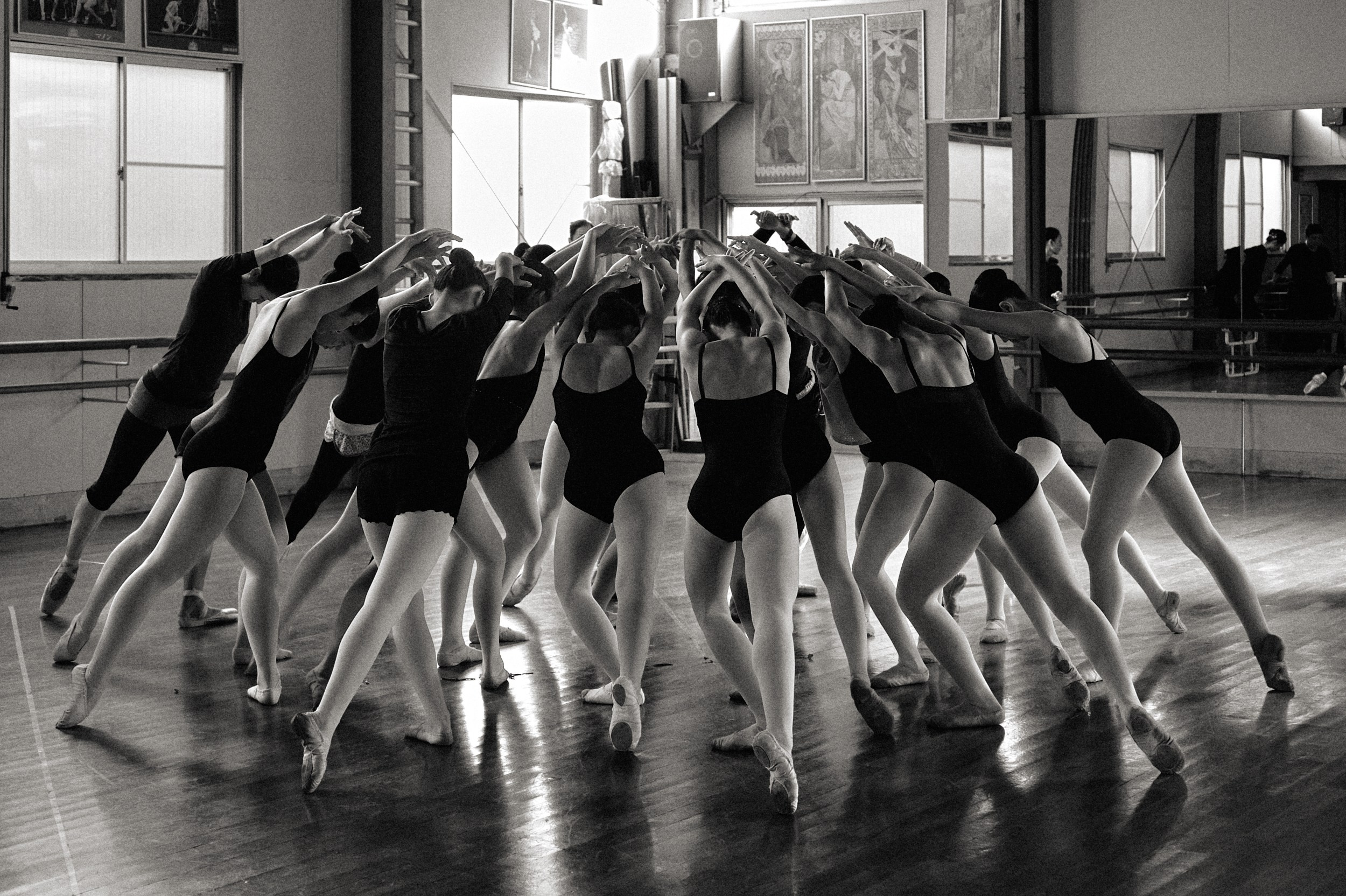
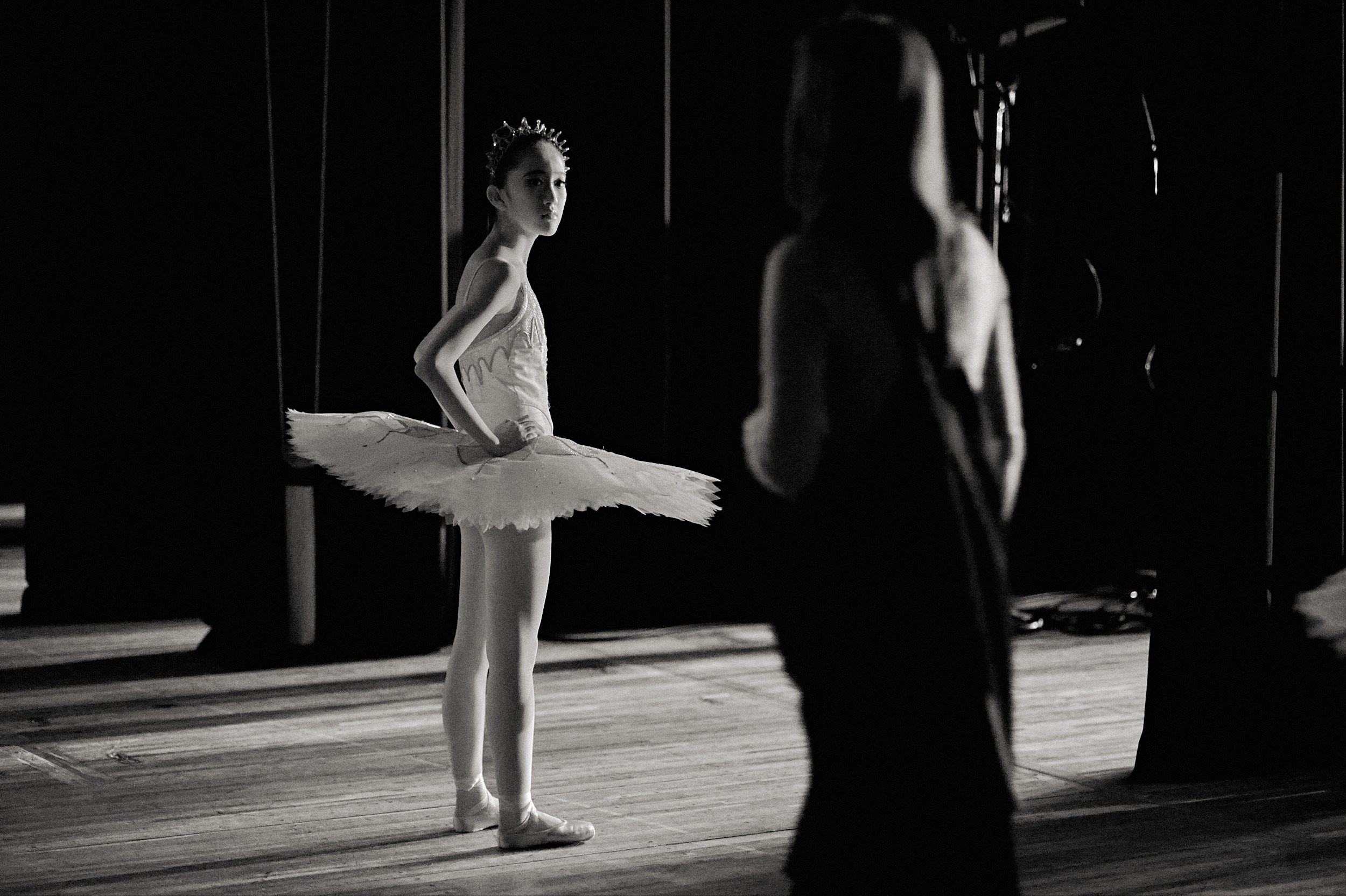
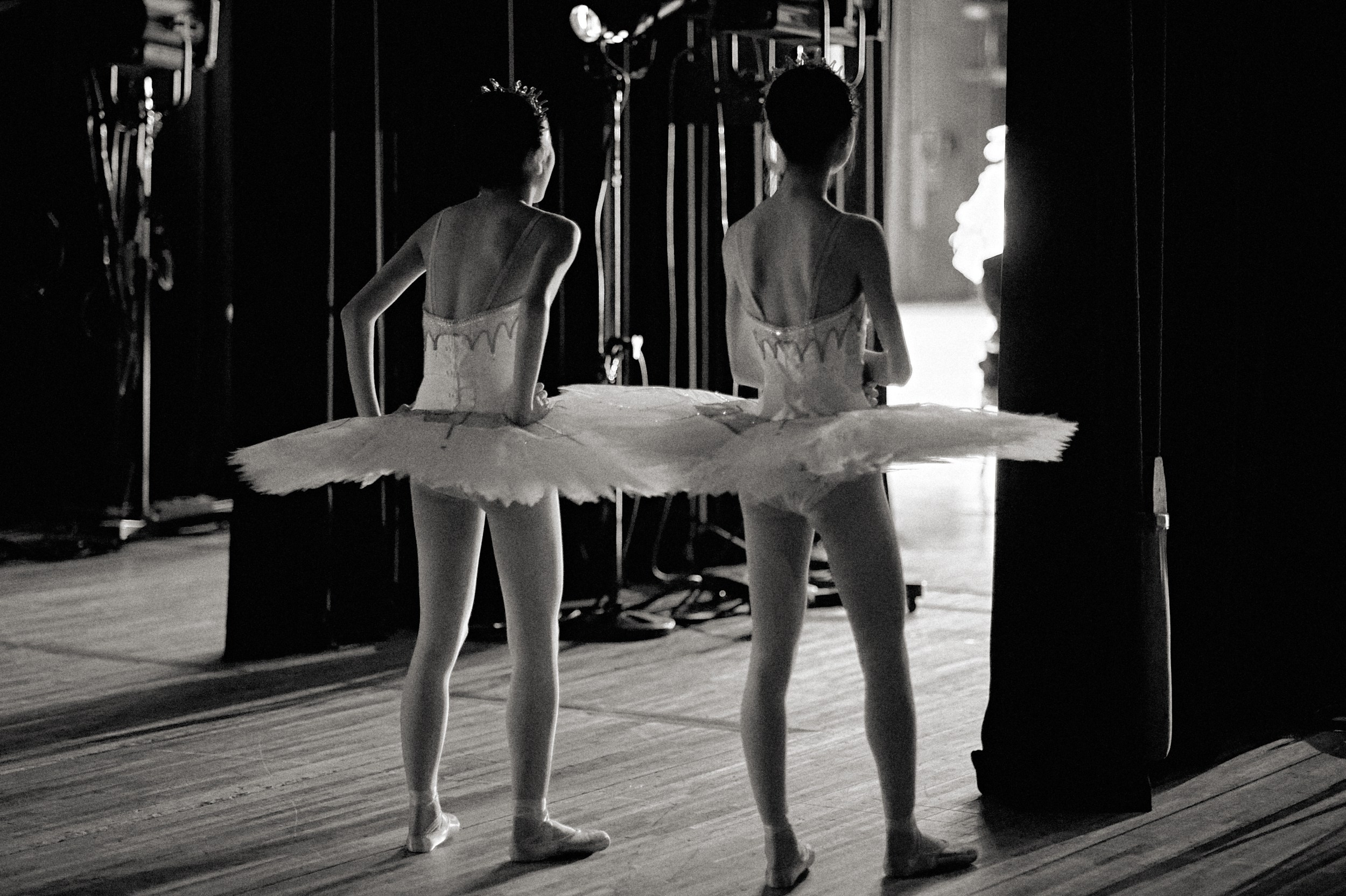
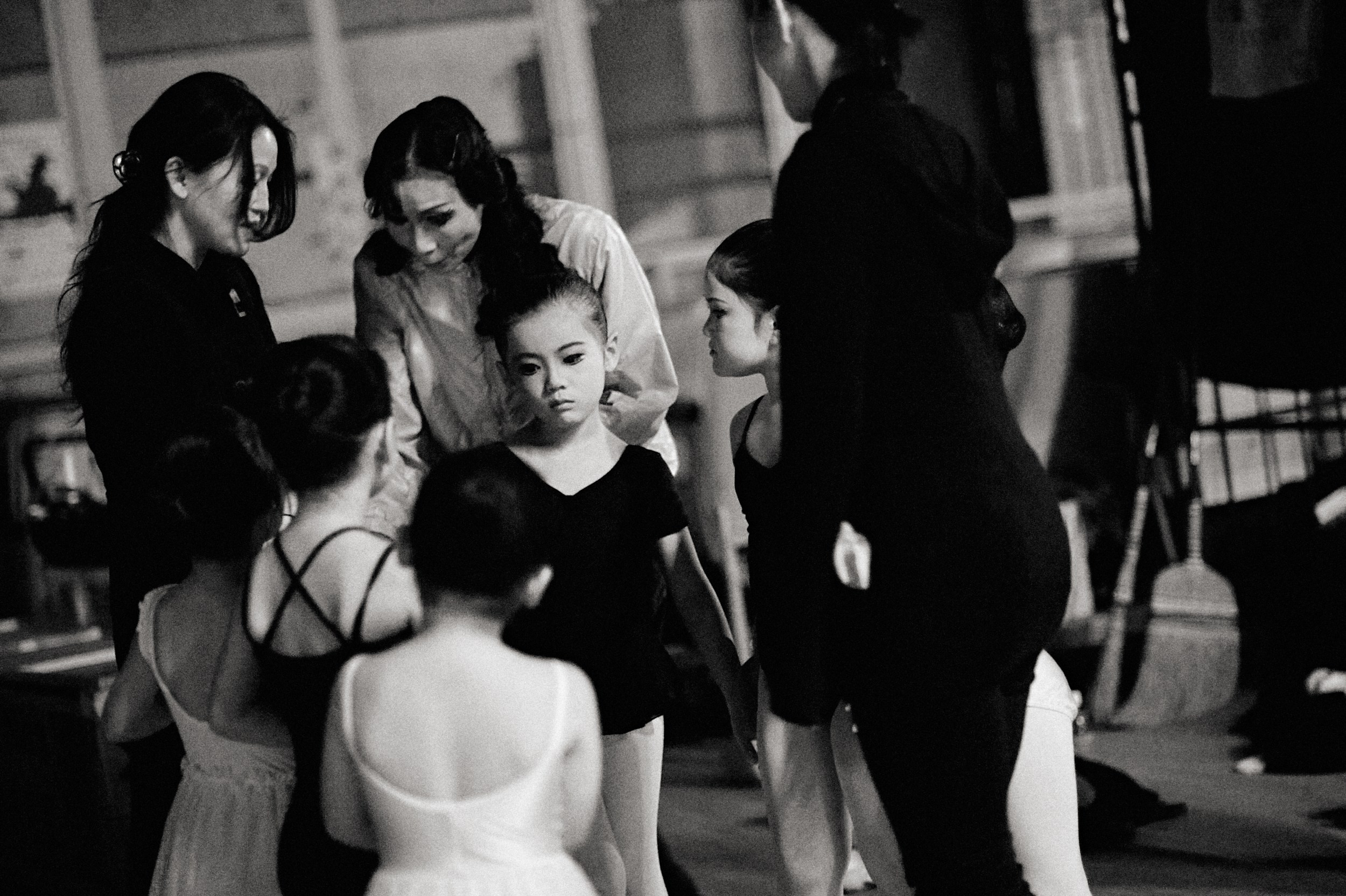
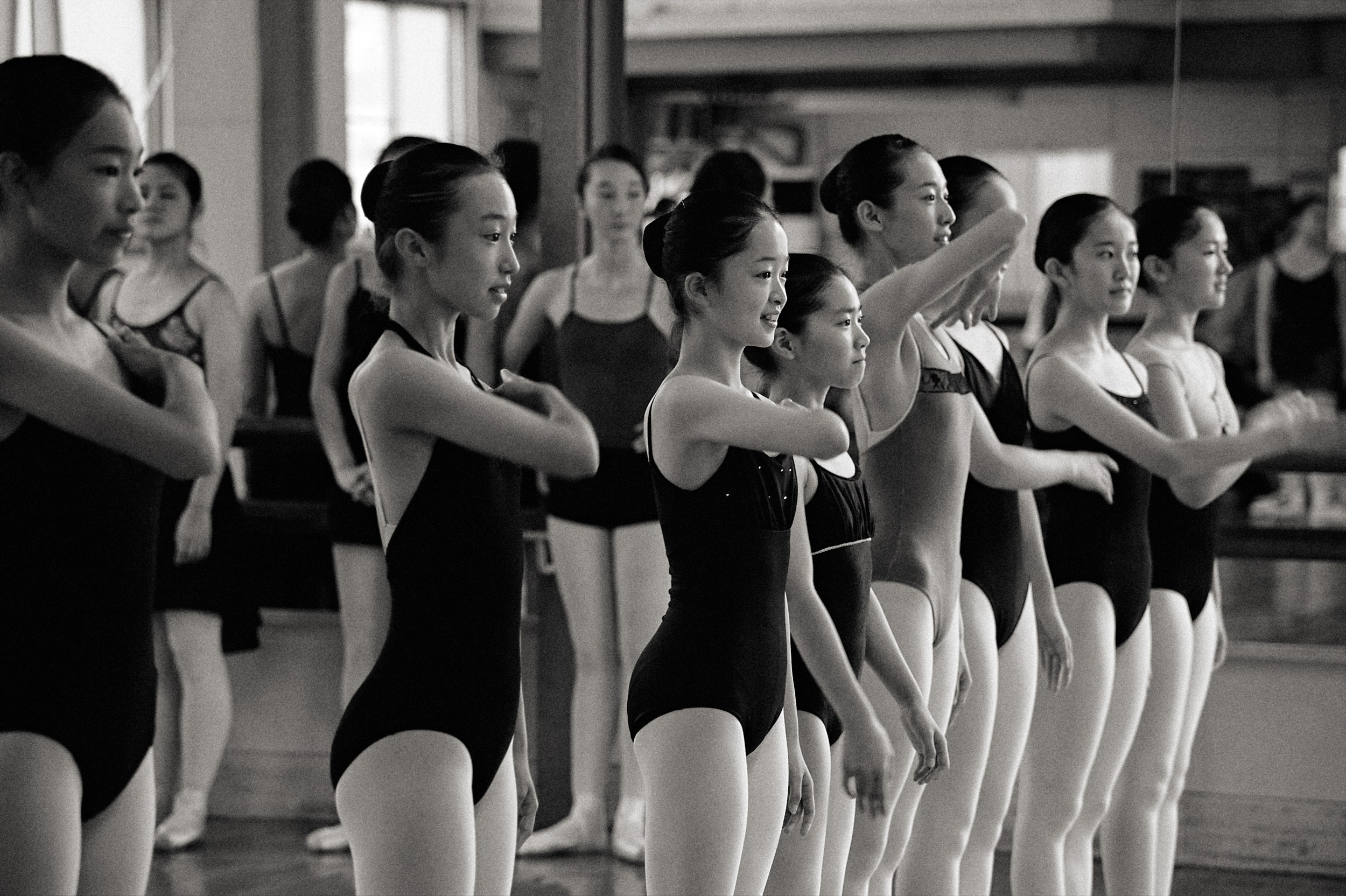
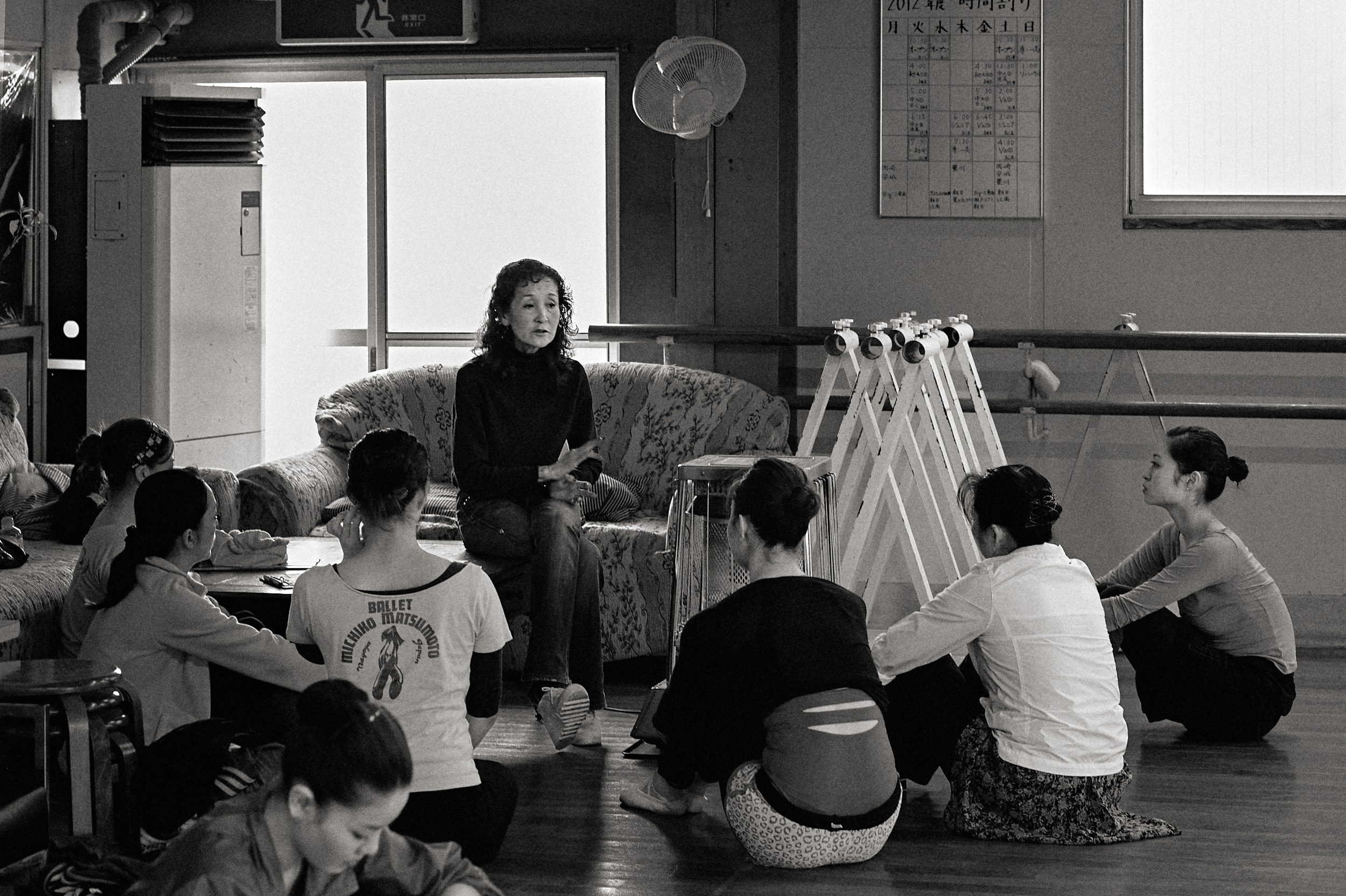
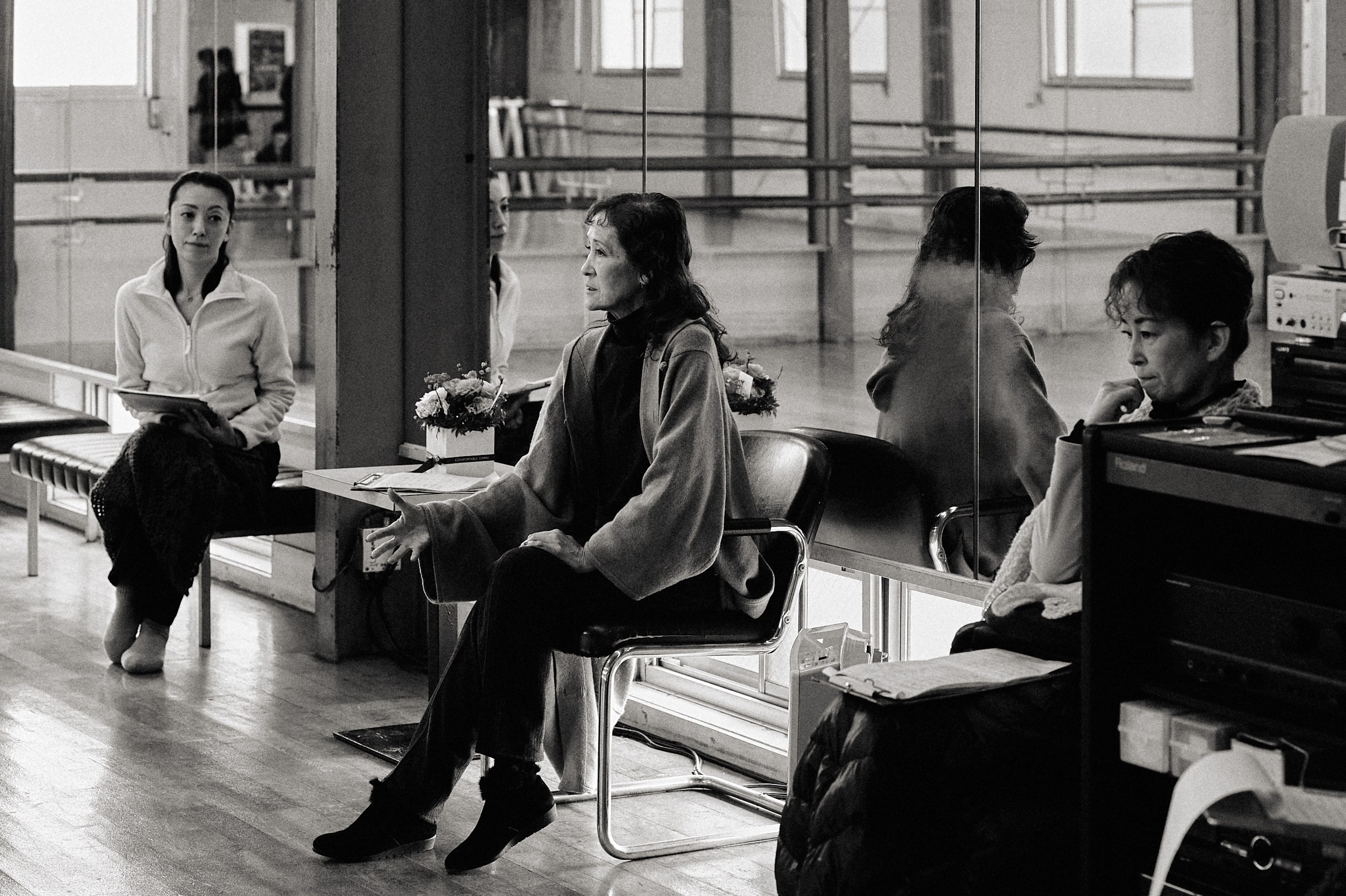
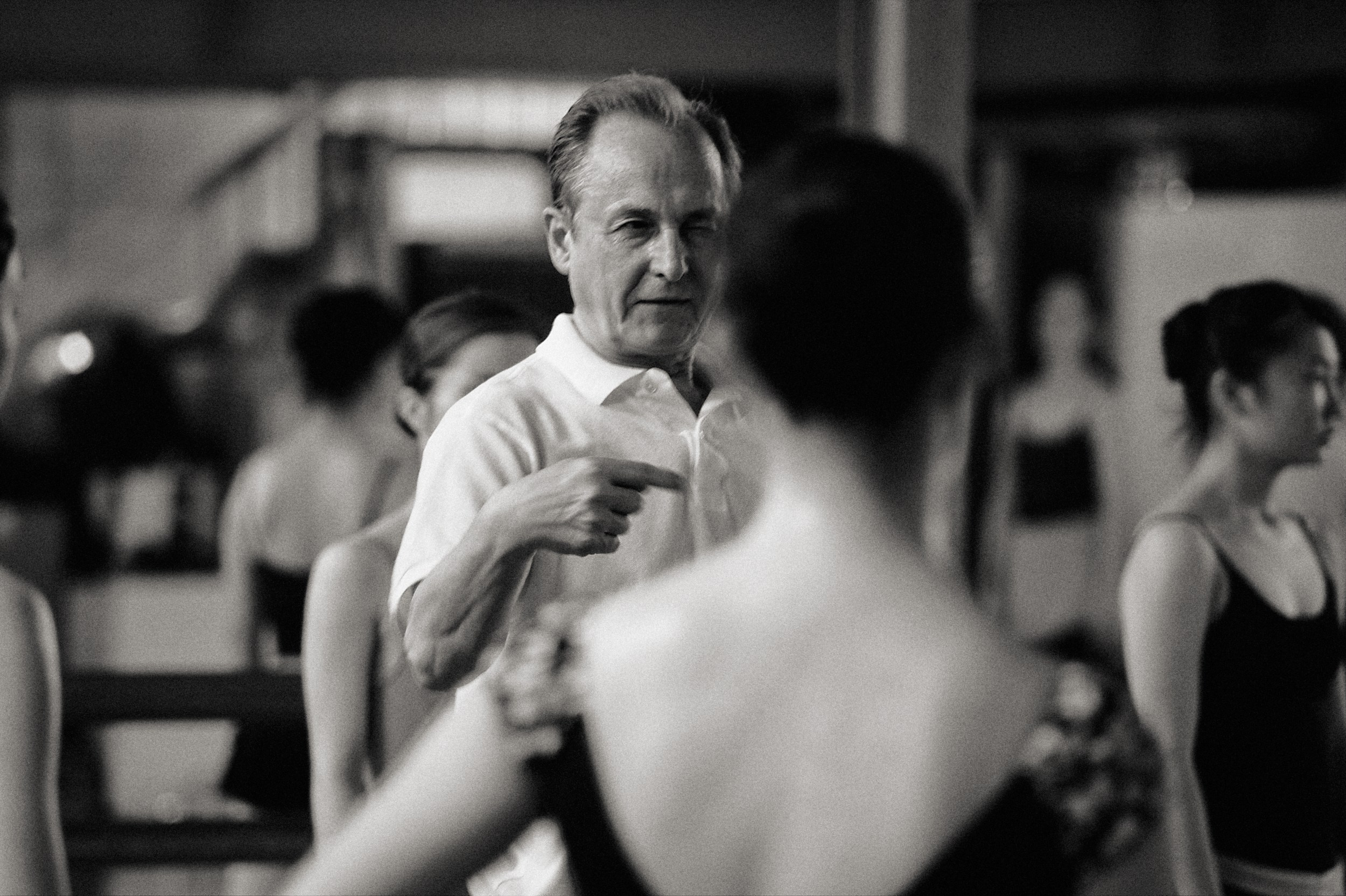
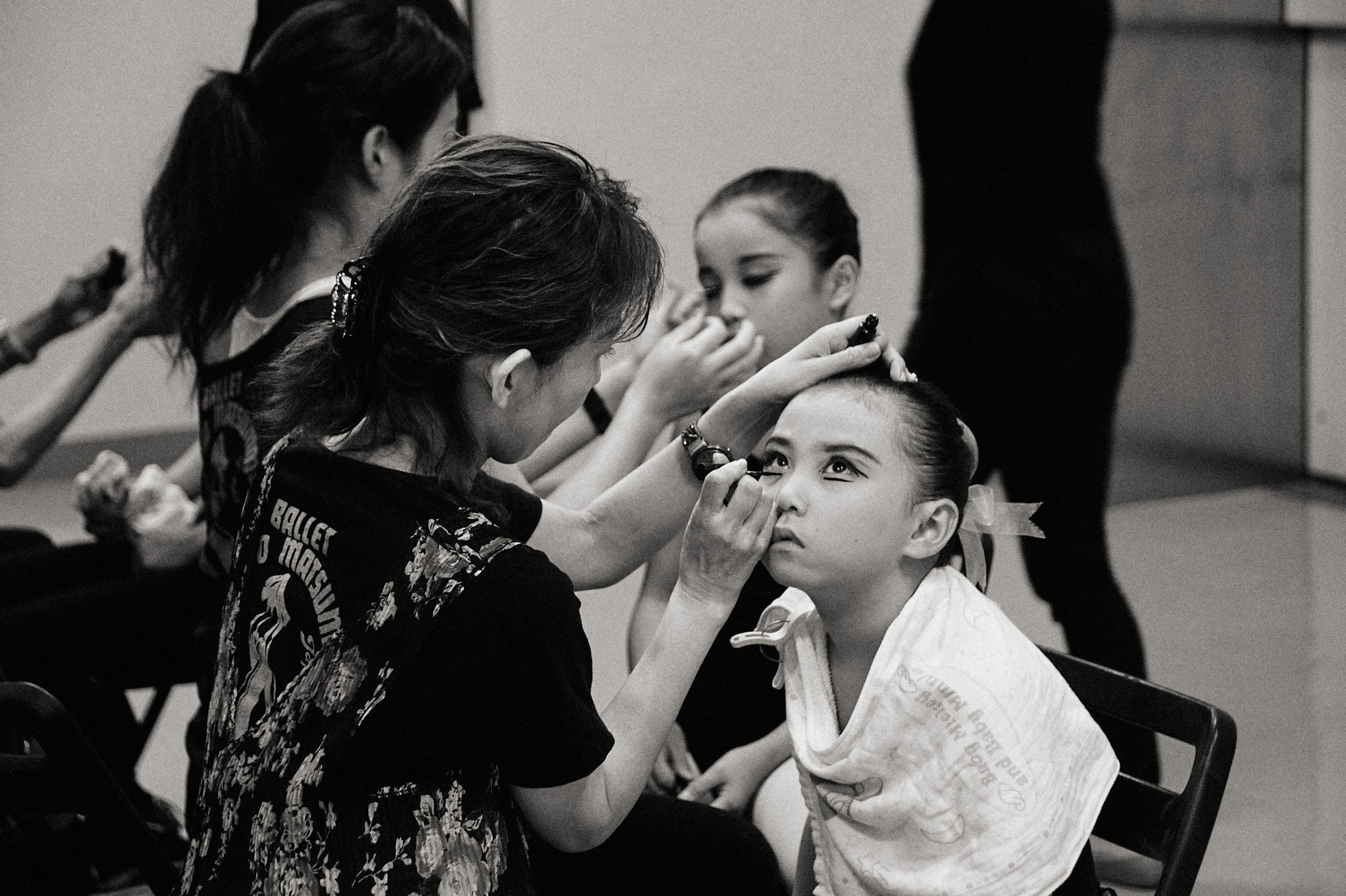
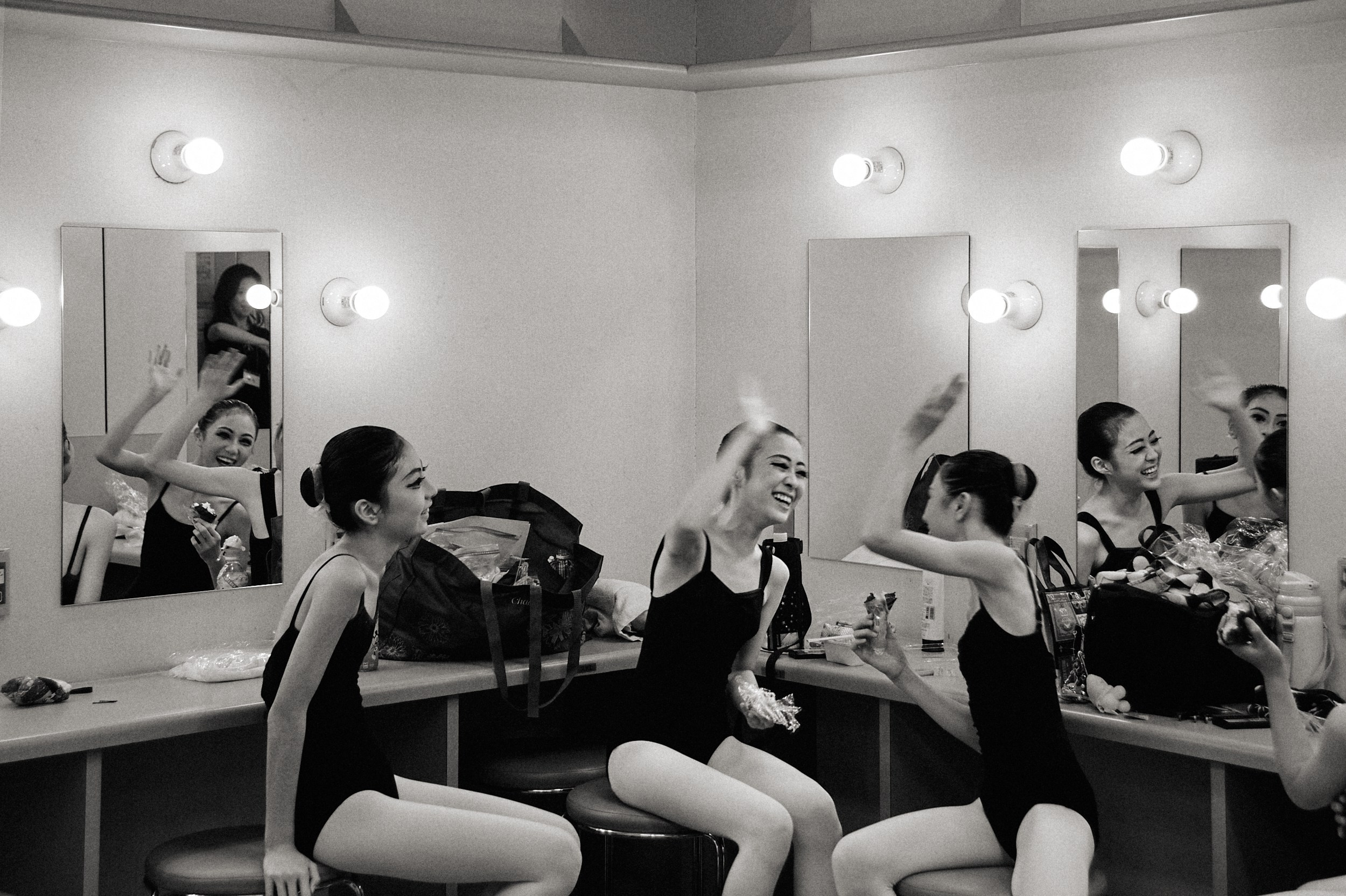
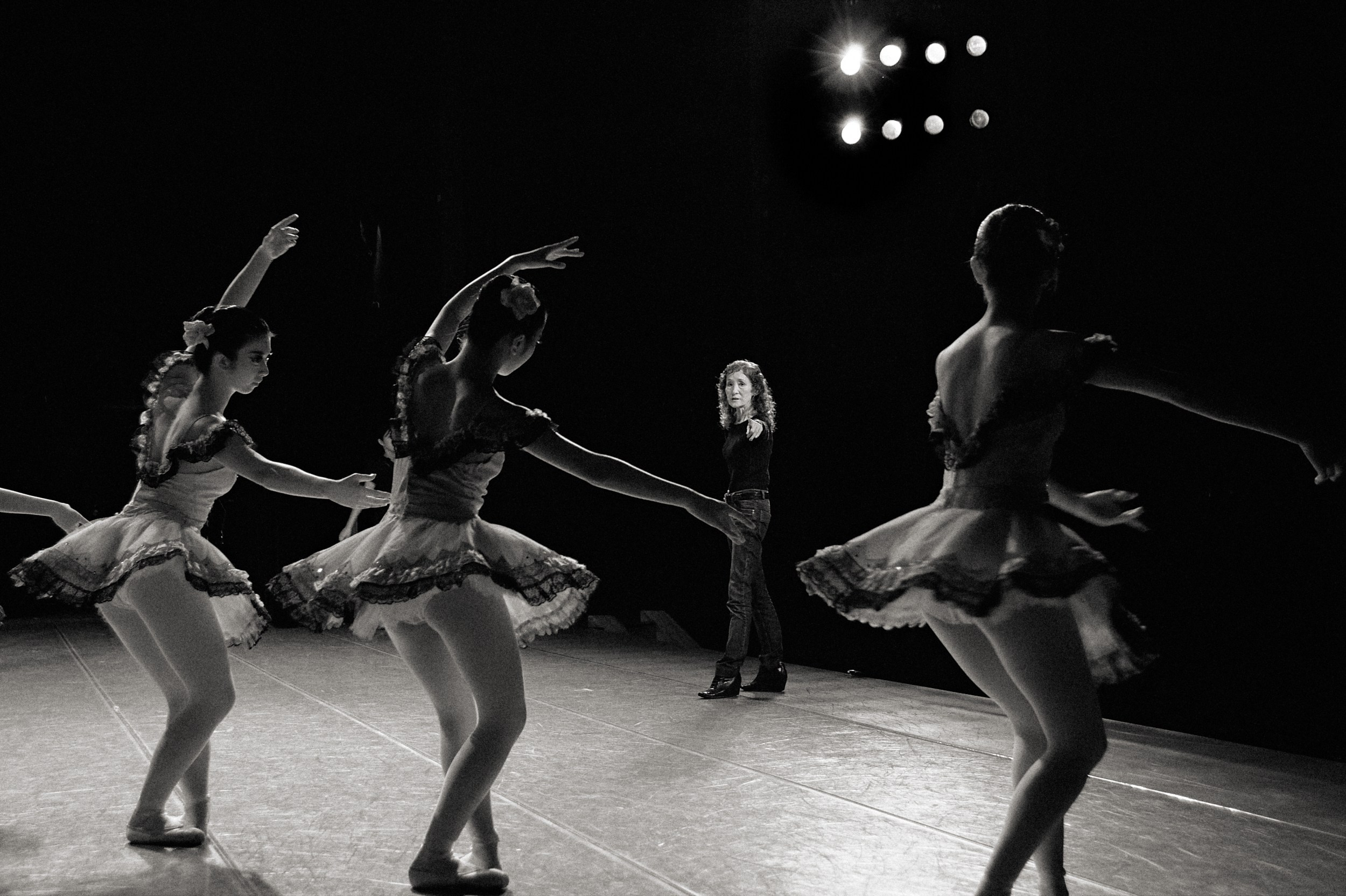
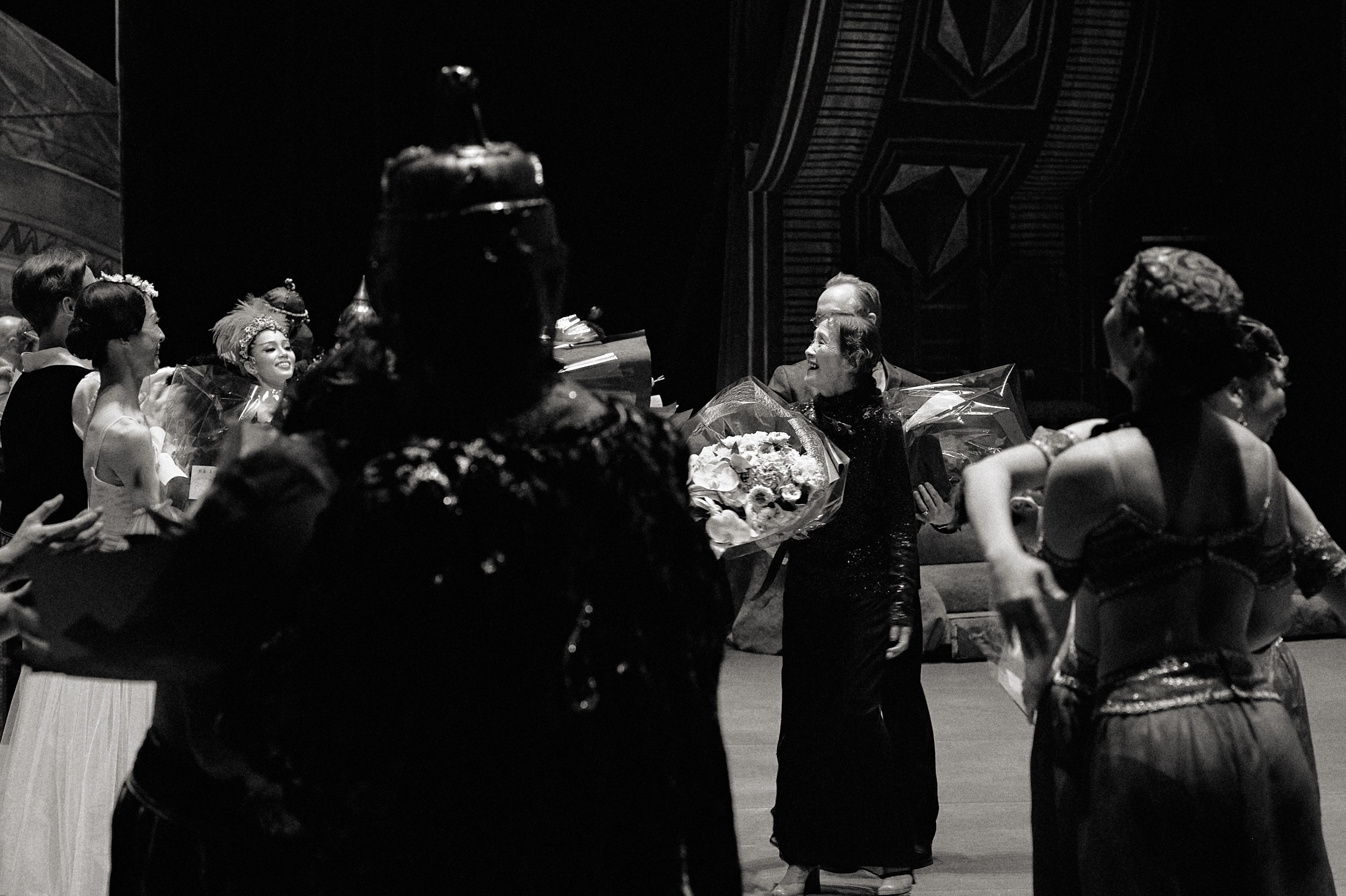
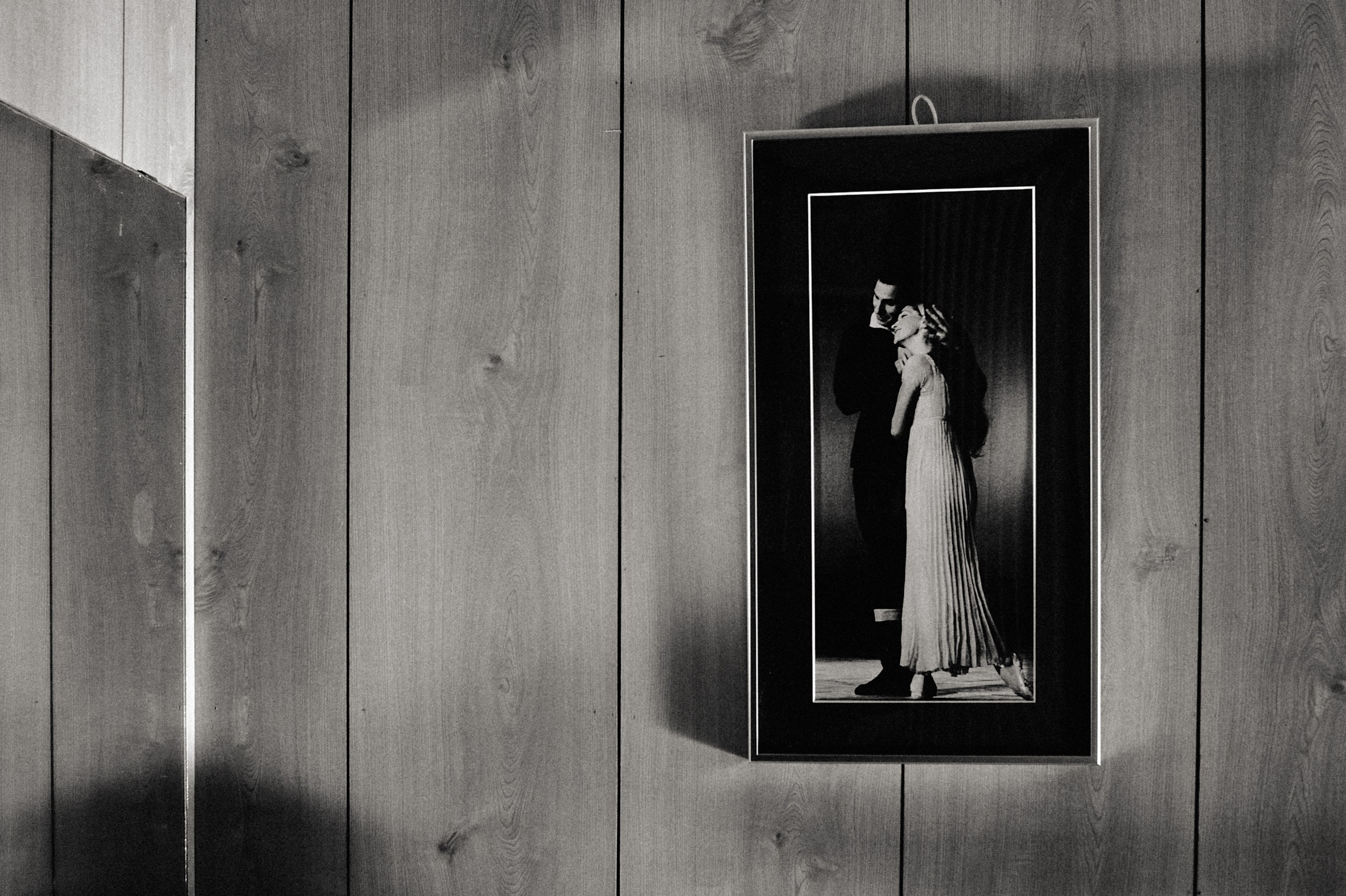
発表会が近づくと、普段の基礎的な稽古とは違う空気が、広い稽古場全体を包んでいた。松本道子先生のバレリーナたちにかける言葉も、それを受けるバレリーナたちの表情も、普段の稽古とは違うものになっていった。ときには厳しく、ときには温かく見守る言葉は、松本道子先生が自ら学んできたバレエを通して、芸術や文化交流、人間性の大切さを次世代に伝える言葉だった。それを感じた私は、自分の撮りたい写真がその人の獲得してきた、立てる場所であることに気づいた。
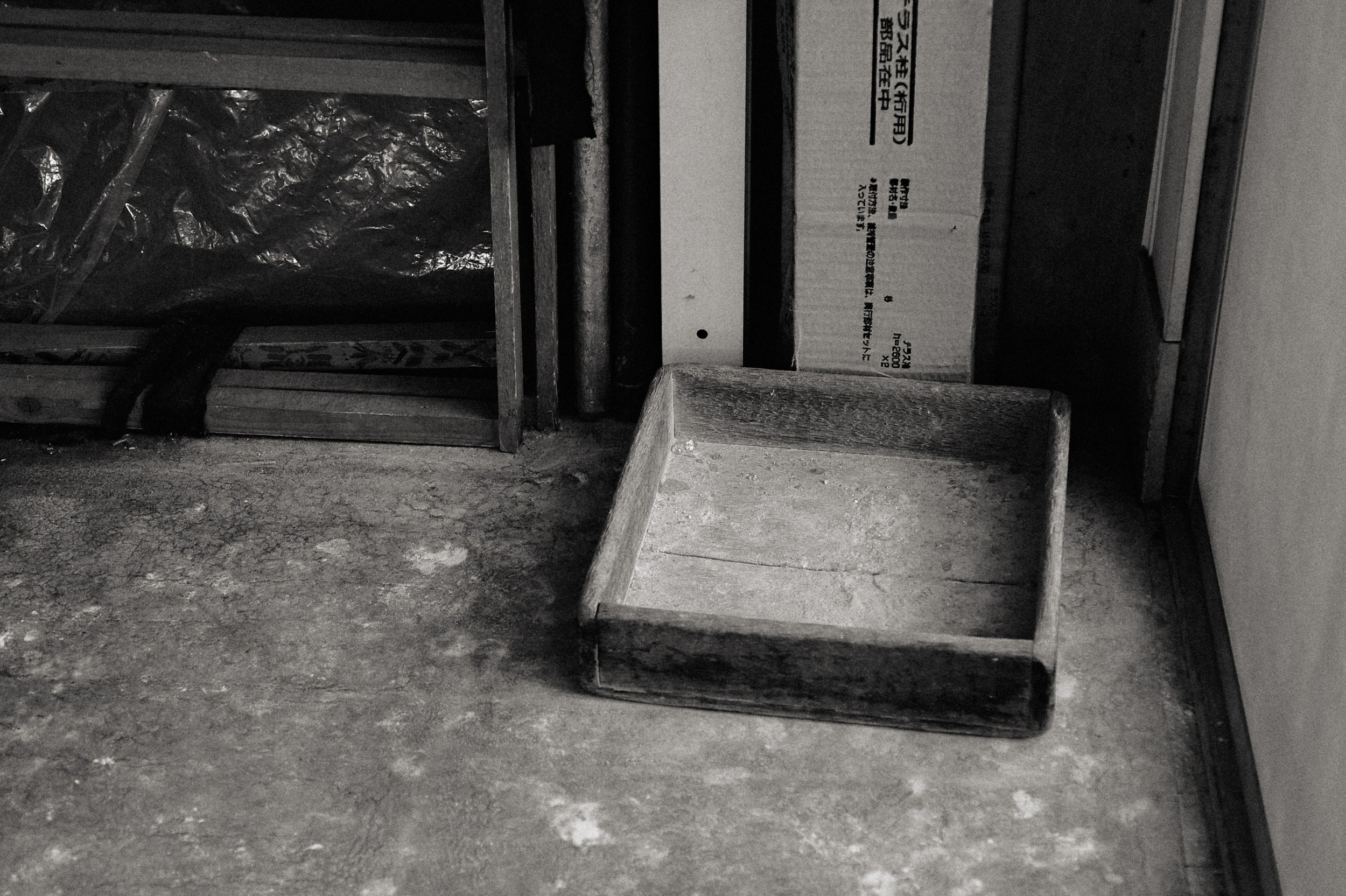
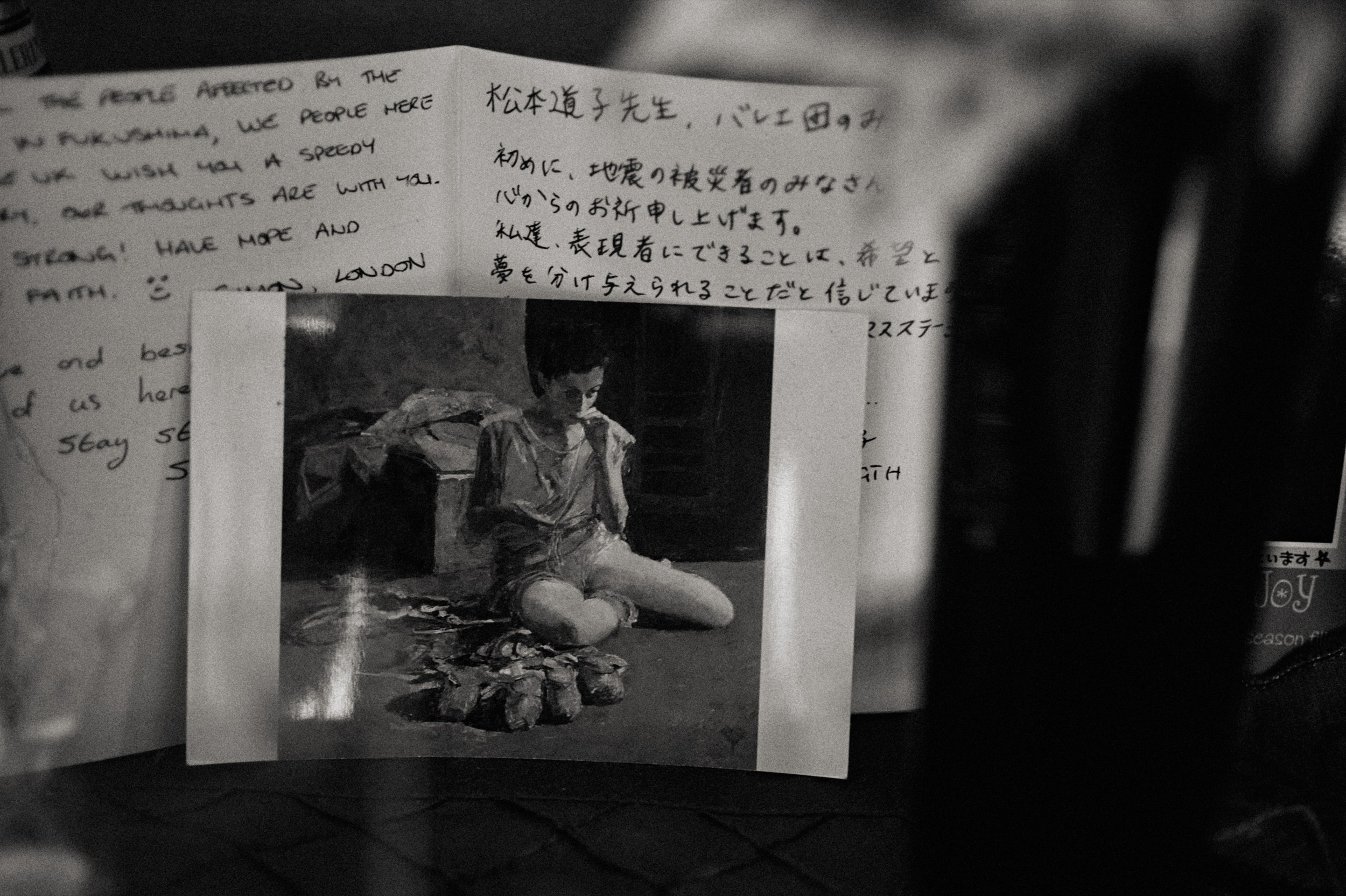
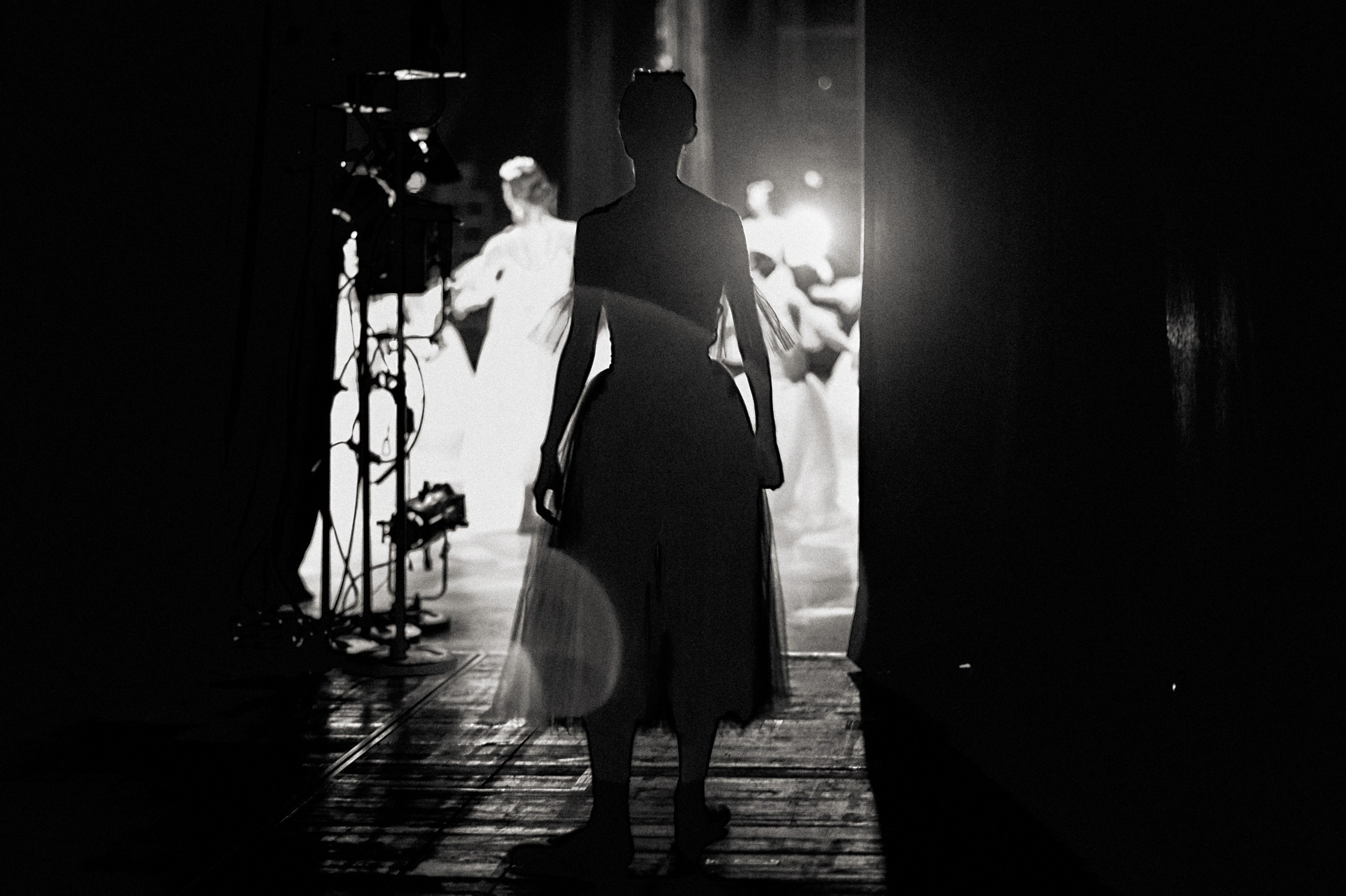
2011年3月11日、日本観測史上最大規模の地震が発生した。バレエ団宛に届いた一通の手紙には、あるバレリーナが表現者として踊ることについて綴った言葉があった。
撮影から10年以上が経った。かつてのように個人の名を冠したバレエ団は今は少ない。それでも今、ここに写る表情は、私に、私自身の立てる場所を教えてくれる。
「カーネギーホールへ行くには?」「練習、練習、また練習だ」。この誰の言葉かも分からない小咄が、今、この作品を見終えた後に、ふと浮かんでくる。
Letters from a Ballerina
Between 2011 and 2013, I documented the rehearsal room of a ballet company.
When I first started taking photographs, I simply wanted to photograph people. But I didn't yet have the courage to approach strangers on the street and ask, "May I take your photograph?" — nor did I know what kind of photographs I actually wanted to take. Still, the desire to photograph people never left me. Around that time, a friend who attended a ballet class helped me get permission to photograph rehearsals. The company was Michiko Matsumoto Ballet, founded in 1958. Knowing nothing about ballet, I was nonetheless welcomed warmly by its founder, Michiko Matsumoto.
Every Saturday and Sunday, I photographed rehearsals. My own repetition — returning to the same place, at the same time, week after week — began to overlap with the repetition of the dancers' practice. At first I didn't know when to release the shutter to capture a dancer's beauty, but as I kept returning, I gradually began to sense the moment. The rehearsal room was lit by a mix of daylight and fluorescent light, and the digital camera I used at the time couldn't reproduce the colors I actually saw. Then one day, looking back at a single frame I had shot on black-and-white film in that same room, I found that it held exactly the texture I remembered feeling there. That one image led me to convert the rest of the photographs to black and white — and only then did the pictures finally catch up with what I remembered.
As a recital approached, a different atmosphere would settle over the rehearsal room, unlike the everyday, foundational practice. The words Michiko Matsumoto offered her dancers changed, and so did the expressions on their faces. Sometimes stern, sometimes warm, her words carried something she herself had learned through a lifetime in ballet — the importance of art, of cultural exchange, of passing on humanity to the next generation. Sensing this, I came to understand what I had actually wanted to photograph: the place each person had earned the right to stand.
On March 11, 2011, Japan experienced the largest earthquake ever recorded in the country's history. A letter arrived addressed to the ballet company — written by a dancer, about what it meant to dance as one who expresses.
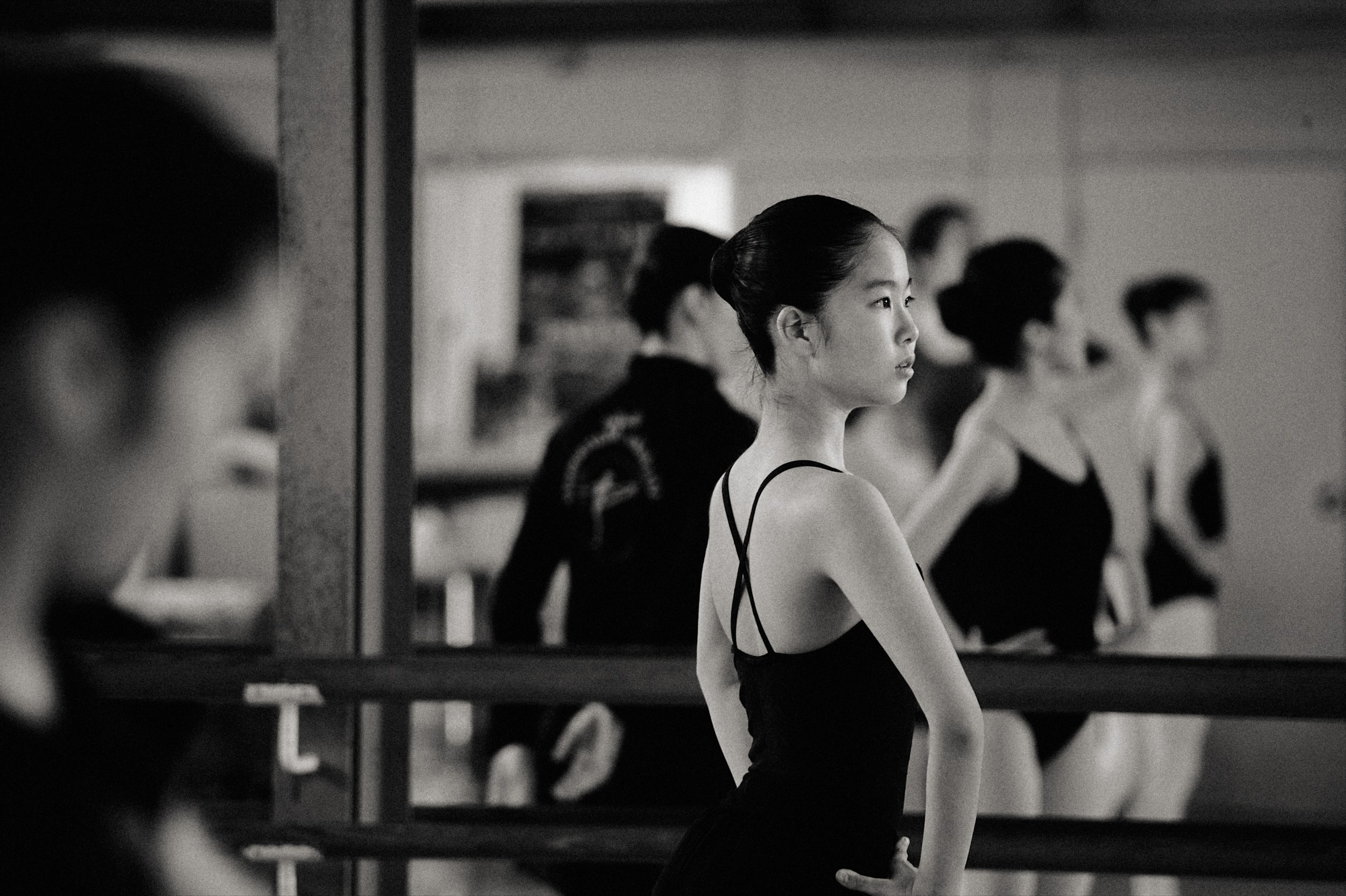
More than a decade has passed since these photographs were taken. Ballet companies that carry the name of a single teacher, as they once did, are now few. And yet, even now, the expressions held in these photographs show me the place where I myself am able to stand.
"How do you get to Carnegie Hall?" "Practice. Practice. Practice." This anonymous joke, passed down through generations of performers, comes to mind now — after this work has been seen.