Every year, my work begins with the same assignment. I am grateful to be asked back year after year, though I am acutely aware that with the declining birthrate, this job could disappear at any time. Despite it being an annual routine, I start to feel restless a week in advance. Even after double-checking my equipment, belongings, and schedule, that feeling remains.
This year, from the day before, the strongest cold spell of the season had swept in from Siberia, bringing fierce winds across the Japanese archipelago. The news reported that even Nagoya would see snow accumulation the next day. True to the forecast, on the morning of the shoot, I could see house after house with roofs turned white through my window. I was glad I had packed my gear into the car the night before. I left home earlier than usual, but the roads were less affected than I expected. The gale from the previous day had subsided, yet the air was biting and the sky remained a heavy, dull gray.
The modern Japanese "Coming-of-Age Day" ceremony supposedly has its roots in ancient rites of passage from the Nara period, such as Genpuku for boys and Mogi for girls. This was later fused with the "Youth Festival," a new tradition started in Warabi City, Saitama in 1946 to encourage young people after the war, evolving into the unique Japanese style of nationwide municipal celebrations we see today. Beyond the young protagonists, these ceremonies involve a diverse range of generations—from parents celebrating their children and former elementary school teachers to local government officials.
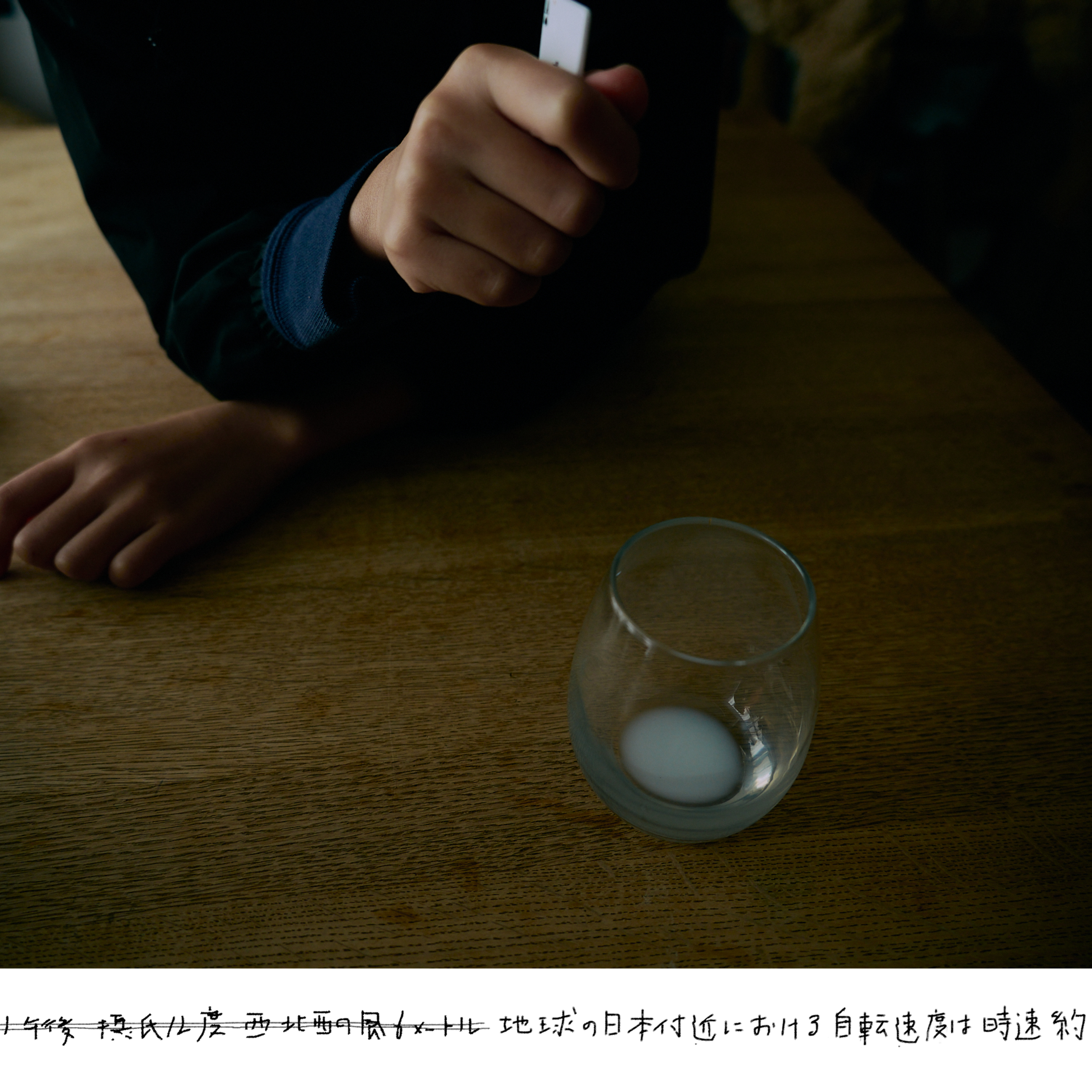
In this small town, the number of participants was higher than usual this year, and the group photo at the end of the ceremony didn't go as smoothly as planned. I suggested splitting the group into two, but once the final count was clear, we managed to fit everyone into a single frame, much to my relief. In group portraits, there are certain customary poses: women rest their hands in front of them, and men clench their fists. Once I have communicated these "forms," however, I want to respect the will of the individuals. Whether they fold their arms looks bored or flash a peace sign, I believe that is fine. That is who they are at twenty. My hope is that years later, when they look back at their younger selves within this uniquely Japanese tradition, they will feel something meaningful.
After the shoot, I stopped at the diner I visit every year; it wasn't very crowded. As I finished the meal—the same set menu I likely order every time—my nerves finally began to settle. When I returned home, my son and wife, who were off for the day, greeted me. The sky had cleared by midday, and the sunlight streaming through the window made the room warm. My wife and I talked about when we were twenty. Will my son participate in this ceremony ten years from now? I found myself reflecting on the future of Japan and its aging, shrinking population.